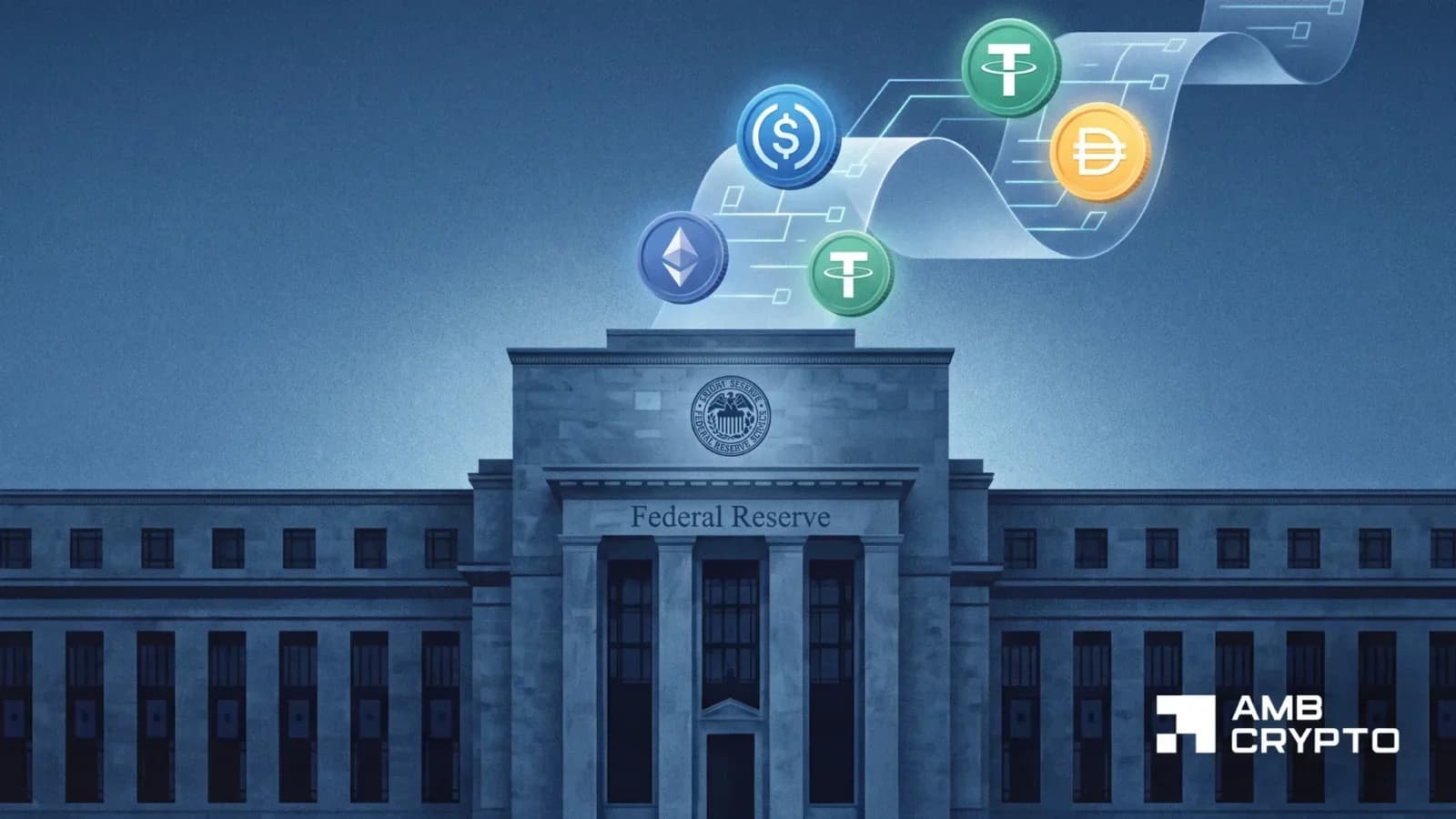
The U.S Federal Reserve has proposed two sets of rules to establish how payment stablecoin issuers and banks under its supervision would operate under the GENIUS Act. According to reports from AMBCrypto and Reuters, these proposals were announced on September 24th, marking a significant step forward in stablecoin regulation. The proposals address both Fed-supervised payment stablecoin issuers and banks seeking to issue their own payment stablecoins, with the Fed clarifying that these rules will establish standardized capital requirements to address certain credit and operational risks of payment stablecoin activities, as well as risk management standards. As per the Federal Reserve Board's September 24, 2026 press release, the framework aims to implement the Guiding and Establishing National Innovation for U.S. Stablecoins Act (GENIUS Act) through comprehensive regulatory guidelines.
Under the first proposal, Fed-supervised payment stablecoin issuers would be required to fully back the stablecoins they issue with permitted reserve assets. As reported by AMBCrypto, these assets could include short-term U.S Treasury bills and other high-quality, liquid assets. The proposal establishes that if an issuer has $1 billion worth of stablecoins outstanding, it would need to maintain qualifying reserve assets sufficient to support those tokens. This requirement is designed to ensure holders can redeem their stablecoins for their underlying value, including during periods of market stress. Additionally, the Fed has introduced rules for firms that safekeep the assets backing payment stablecoins and clarified the permissibility of stablecoin and related activities for Board-supervised banks. The rule notes that stablecoin issuers will be barred from paying interest or yield solely in connection with the holding, use, or retention of payment stablecoins - a major concern within the banking industry. Fed Gov. Michael Barr emphasized that "stablecoins will only be stable if they can be reliably and promptly redeemed at par in a range of conditions," including during market stress and episodes of strain on individual issuers or their related entities.
The second proposal focuses specifically on Fed-supervised banks that want to issue their own payment stablecoins. According to AMBCrypto, these institutions would follow a tailored application procedure rather than a standard banking application process. Applicants would need to provide information such as a business plan and financial information, allowing the Fed to assess how the proposed stablecoin operation would function and whether the bank has the necessary resources and controls. The proposal also establishes procedures for appeals, hearings, and final decisions if an application is challenged or denied, creating a comprehensive framework for bank stablecoin issuance. As per the Federal Reserve Board's September 24, 2026 press release, this includes a separate proposal setting out how insured state member banks may apply for approval for a subsidiary to issue payment stablecoins. The Fed's seven-member board voted unanimously to issue the proposals.
The Federal Reserve is currently seeking public feedback before deciding on the final framework. As reported by AMBCrypto, the comment period will close 60 days after the proposals are published in the Federal Register. This development coincides with a recent report acknowledging that a year has passed since President Donald Trump signed the GENIUS Act, though U.S regulators are still finalizing key rules covering stablecoin reserves, capital, liquidity, custody, risk management, and compliance. Full enforcement is still planned for January 18th, 2027. Fed Gov. Michael Barr - the board's former vice chair for supervision and a frequent dissenter to regulatory changes - said he was encouraged by key provisions of the GENIUS Act, including reserve asset limitations and capital requirements, and noted that he looks forward to seeing public comments on these provisions. However, the Federal Reserve is behind schedule in establishing these regulations, as the Genius Act required federal regulators and the Treasury Department to establish regulations by July. The Office of the Comptroller of the Currency and the National Credit Union Administration proposed their stablecoin rules in February, while the Federal Deposit Insurance Corp. and the Treasury proposed rules in April and August, respectively.
The proposed rules have drawn responses from industry organizations, particularly regarding community bank interests. According to ICBA Advocacy, the Independent Community Bankers of America (ICBA) has advocated for a strict interpretation of the GENIUS Act's prohibition on the payment of yield or interest by issuers and called on regulators to consider the potential impacts of payment stablecoin growth on community bank deposits and lending. In its previous comments, ICBA called on the FDIC to adopt a strict payment stablecoin framework and urged the OCC to strengthen its proposed GENIUS Act rules to protect against stablecoin risks, reflecting broader concerns about the impact of stablecoin activities on traditional banking operations. The GENIUS Act directed the Fed, Federal Deposit Insurance Corp., the Office of the Comptroller of the Currency and the National Credit Union Administration to issue rules effectuating various elements of law, including regulatory and supervisory oversight. Fed Gov. Michael Barr emphasized that "the regulatory framework for stablecoins needs to provide strong guardrails and consumer protections so that new instruments can foster payments improvements that benefit households and businesses."