IndiGo vs Air India: The Great Fare Unbundling Battle
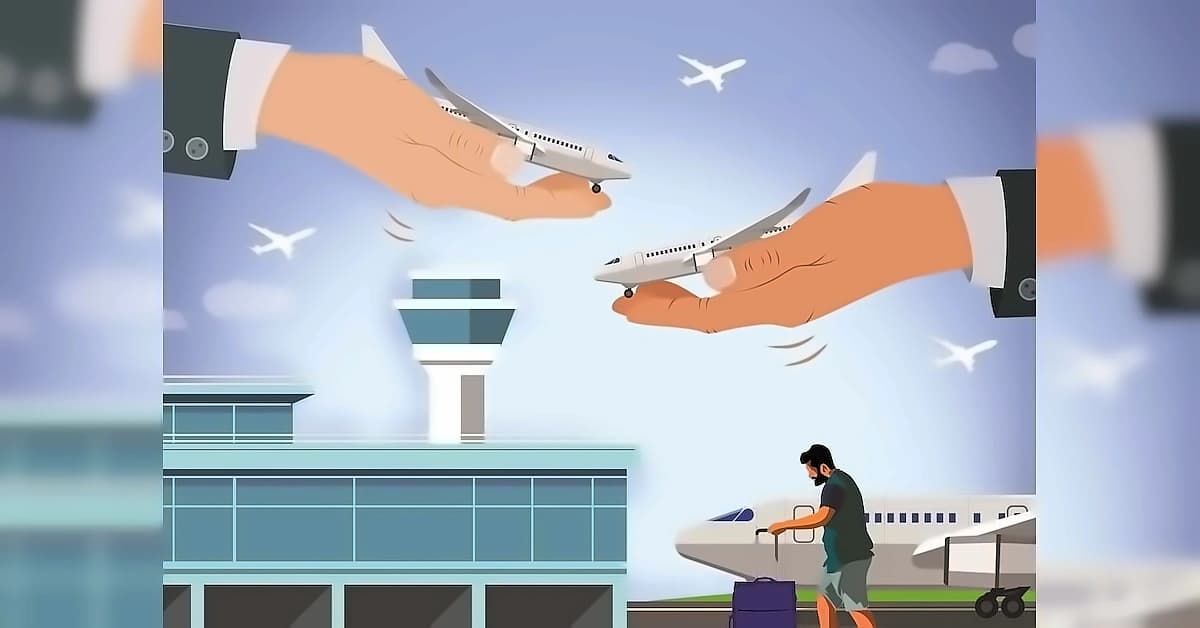
The last four months have been brutal for Indian airlines. Fuel costs have skyrocketed, labor expenses are climbing, and airport charges keep creeping up. In response, the country's two biggest carriers—InterGlobe Aviation (IndiGo) and Air India—have launched competing unbundled fare structures. But beneath the surface, these moves tell very different strategic stories.
The Cost Crisis Driving Change
The numbers paint a stark picture.
While global fuel prices jumped over 100%, the government capped domestic increases at 25%—still painful but manageable. Airport charges rose 26.5% year-over-year for IndiGo, hitting Rs 16,269 million in Q1 FY26. Employee costs climbed 16.7% to Rs 20,499 million, with new Flight Duty Time Limitations norms adding further pressure from July 1. InvestorPresentations
IndiGo's financials reflect this strain. In Q4 FY26, the carrier reported a net loss of Rs 2,536.9 crore, with CASK (Cost per Available Seat Kilometer) soaring 28.3% to Rs 5.78. Something had to give. InvestorPresentations
Two Different Unbundling Approaches
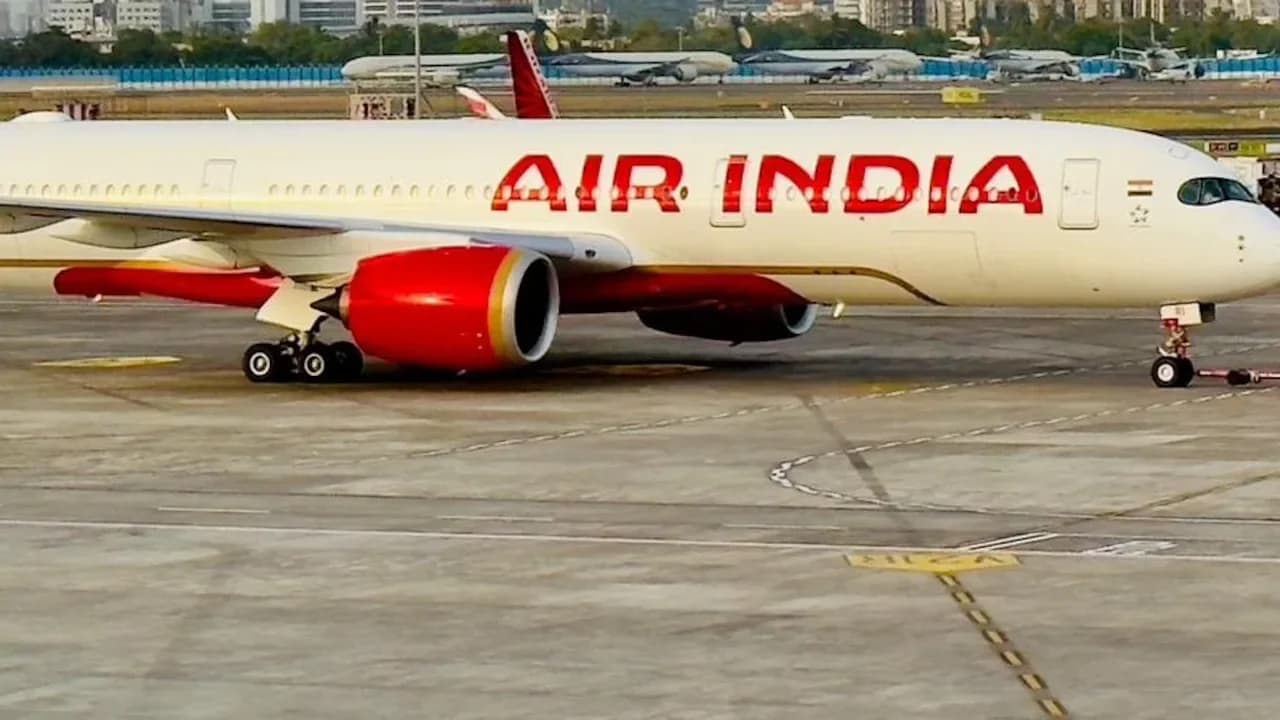
Air India struck first, introducing its "Basic" fare on June 17, 2026. The move strips out complimentary meals while retaining 15 kg checked baggage, 7 kg cabin baggage, and tea or coffee. The price reduction: Rs 300-700 on domestic sectors. Passengers wanting a meal can add one later for Rs 590.
IndiGo responded two weeks later with its "Lite" fare launching July 1, 2026. This option removes check-in baggage entirely—passengers get only 7 kg cabin baggage. The discount: Rs 300-400 on domestic flights. The difference isn't just in what's unbundled, but in the strategic logic behind each move.
Why Baggage Beats Meals for Revenue
The math favors IndiGo's approach. Baggage is essential for most travelers; meals are discretionary. IndiGo projects 60-75% conversion rates for baggage add-ons, generating Rs 720-1,200 in incremental revenue per passenger. Air India expects only 30-50% of Basic fare passengers to buy meals, yielding just Rs 265-400 per passenger.
The 7-kg cabin limit on IndiGo Lite creates a genuine pain point that drives upsells. Most travelers need more than 7 kg for typical trips. Air India's Basic fare includes 22 kg total baggage (15 kg checked plus 7 kg cabin), which covers most travel needs and removes the urgency for additional purchases.
Financial Impact: Diverging Paths
The revenue implications are starkly different.
Air India's Basic fare faces RASK dilution risk of 0% to +3%—essentially flat to slightly positive at best.
Margin improvement tells a similar story. IndiGo expects 300-500 basis points improvement through operational synergy and high ancillary conversion. Air India projects only 50-150 basis points, constrained by its higher cost structure and lower conversion rates.
The break-even analysis is particularly telling. IndiGo needs just 35-40% baggage add-on conversion to break even on margin impact—well below its 60-75% projection. Air India needs 70%+ meal conversion to break even, above even its optimistic scenarios.
Cost Savings: Operational Efficiency Matters
Both carriers generate cost savings, but the magnitude differs significantly. IndiGo's reduced baggage handling yields estimated annual savings of Rs 1,100-1,750 million through lower ground handling costs, faster turnaround times (2-3 minutes per flight), improved fuel efficiency from reduced weight, and fewer baggage damage claims.
Air India's catering cost savings are more modest at Rs 560-870 million annually. While reduced meal production and onboard service requirements help, catering represents a smaller portion of total costs compared to baggage handling.
Customer Segmentation: Different Targets
The fare structures target distinct customer segments. IndiGo Lite appeals to ultra-price-sensitive leisure travelers, short-duration business travelers, and passengers currently using premium rail or bus services. The severe baggage restriction makes it ideal for weekend getaways and day trips.
Air India Basic targets price-conscious families and value-seeking business travelers who still need baggage allowance. The generous 22 kg total baggage allowance makes it suitable for family vacations and longer trips where IndiGo Lite's 7 kg limit would be impractical.
Market Share and Competitive Dynamics
The simultaneous unbundling is likely to increase overall market elasticity by stimulating demand from cost-conscious passengers. Premium rail and business travelers show 60-85% conversion probability to air travel with these new fare structures.
IndiGo is positioned to gain 2-4% market share, strengthening its already dominant 61.6% position. Air India will likely maintain current share (±1-2%) as Basic fare primarily prevents erosion rather than driving growth. The competitive dynamics favor IndiGo's low-cost model, which aligns naturally with unbundling, versus Air India's full-service carrier structure struggling with hybrid positioning.
The Bottom Line
The carrier's low-cost model, operational expertise, and market dominance create a sustainable competitive advantage. Air India's meal unbundling is more defensive—a necessary response to market dynamics but one that faces structural challenges due to higher fixed costs and lower ancillary revenue potential.
The next 12-18 months will be critical. IndiGo appears poised to strengthen its market leadership and potentially return to profitability. Air India faces a strategic crossroads: clarify its positioning between full-service and hybrid models, or risk continued financial pressure in an increasingly competitive market.
For passengers, the unbundling trend means more choices and lower entry-level fares. For investors, the divergent financial trajectories suggest very different outlooks for India's aviation giants. The fare unbundling battle has just begun, but the early rounds clearly favor the carrier that stayed true to its low-cost DNA.