Hyundai Motor India just delivered its best-ever monthly sales of 82,299 units in October 2026, driven by a 16.7% jump in domestic volumes and a 21.1% rise in exports. But behind the headline numbers lies a more complex story of dealer stocking, a compact SUV surge, and a strategic bet on a new model that could reshape its portfolio.
The Domestic Engine: Festive Fervor and Dealer Stocking
The company attributes this to "strong festive demand," but the mechanics are more nuanced. These are wholesale dispatches to dealers, not retail sales to customers.
The 5,633-unit sequential gain in domestic sales wasn't evenly spread. The Hyundai Venue was the star, recording its highest-ever monthly domestic sales of 13,017 units. That's roughly 28% of the incremental volume, with the Venue itself growing about 13.5% against the portfolio's 9.85%. The remaining gains came from other models, though October model-wise data for Creta, Exter, and others hasn't been released yet.
Pricing played a role too. Hyundai's discounts were 2.8% of sales in Q1 FY27, down from 3.4% a year earlier and below the industry average.
This disciplined pricing, combined with calibrated price increases, supported revenue even as volumes surged. Transcript +1
Export Volatility: Growth Amidst the Waves
This divergence highlights the inherent volatility in Hyundai's export business. The year-on-year growth is flattered by a soft base—October 2025 exports were likely around 16,100 units, which itself was a sequential drop from September 2025. This suggests the October dip isn't unusual.
Several factors shape this monthly volatility. Shipping disruptions, particularly in the Strait of Hormuz, continue to affect logistics. Management is working with partners to navigate these challenges, but vessel schedules and port loading can move volumes between months. Order book timing also matters—management cited a strong backlog and expected shipments to increase from July 2026 as Middle East order flows eased. Transcript
Hyundai is positioning India as a strategic manufacturing and export hub, with the Bayon set to deploy across more than 50 export markets. This strategy supports fixed-cost absorption by filling capacity, especially at the Chennai plant. However, exports come with margin pressures. Entering new markets has required additional incentives, and elevated freight costs have weighed on profitability. While exports help absorb fixed costs, their lower margins compared to domestic sales mean the earnings impact is mixed. Transcript
The Venue's Record Run: Compact SUV Dominance
The Venue's 13,017 units in October represented 20.73% of Hyundai's domestic volumes, up from 20.06% in September. This record performance underscores the Venue's critical role in Hyundai's portfolio. The second-generation Venue, launched with over 32,000 bookings in its first month, has found traction despite intense competition from rivals like Tata Nexon, Maruti Brezza, and Kia Sonet.
The Venue's success stems from its feature-rich positioning and extensive variant range. With 37 variants spanning petrol, turbo, and diesel engines, and prices starting around ₹8 lakh, it offers something for every budget. Trade coverage suggests most buyers land on the upper-middle trims, which likely supports average selling prices. The Venue's growth also reflects capacity ramp-up—the entire Pune plant is moving to the new Venue, with roughly 14,000–15,000 units a month serving both domestic and export demand. Transcript
Hyundai's domestic mix is increasingly SUV-led, with SUVs accounting for about 70% of volumes. This concentration has implications for profitability. While SUVs typically command higher prices, Hyundai's margins have been pressured by commodity costs, discounting, and capacity-stabilization expenses. The company hasn't disclosed model-level profitability, but the high SUV share alone hasn't protected margins from these headwinds. Transcript +1
The Bayon Bet: Filling the Gap, Managing the Risk
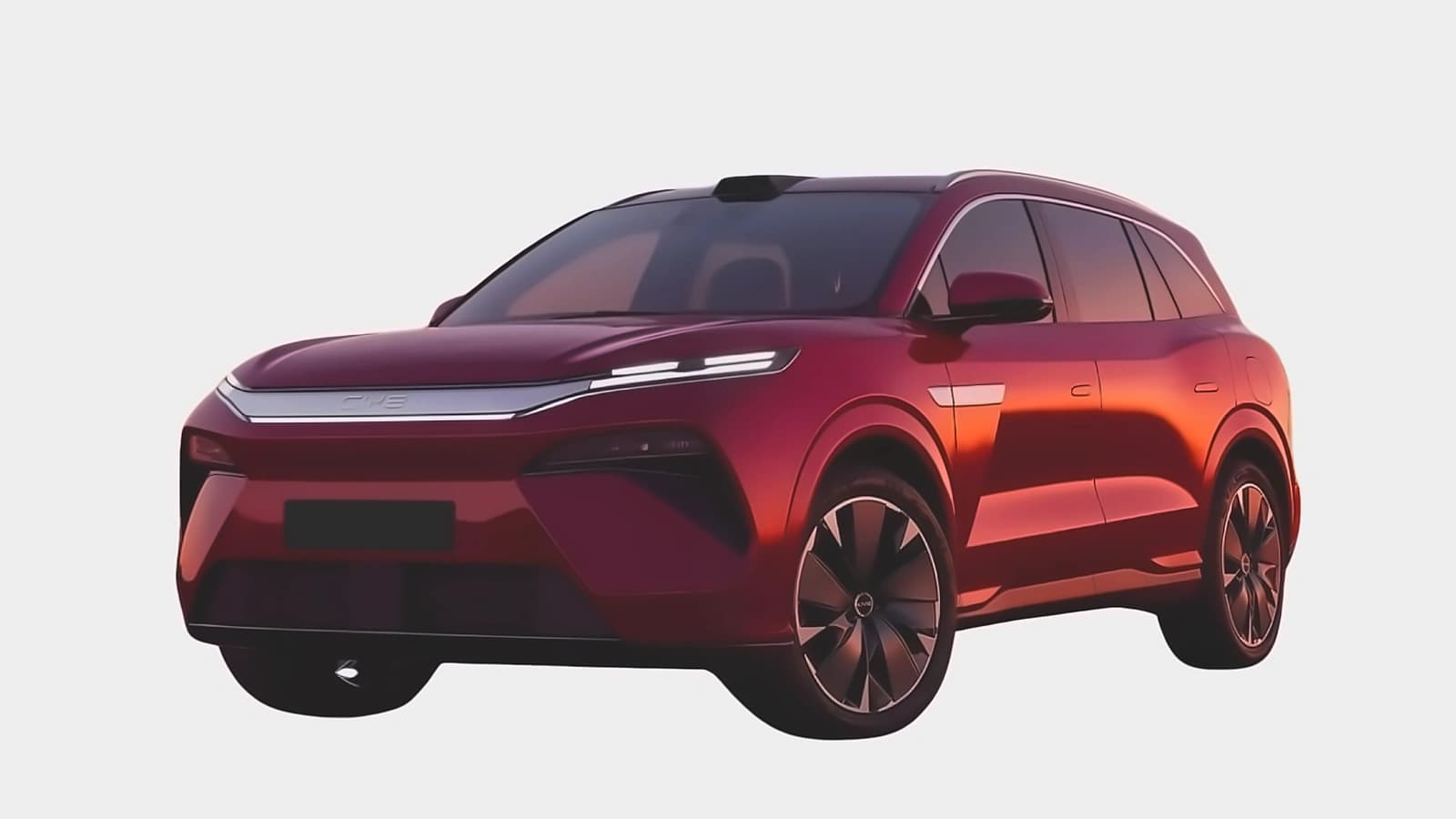
The Hyundai Bayon, launched on October 26 at an introductory price of ₹9,99,900, is Hyundai's boldest move yet. Positioned between the Venue and Creta in the 4.2-meter segment, it aims to capture buyers seeking a larger cabin and boot without jumping to the next model. The Bayon's 1.5-liter naturally aspirated petrol engine (115 PS, 143.8 Nm) with manual or IVT automatic options offers a refined, if conventional, powertrain.
The Bayon's premium content is its standout feature. Dual 12.3-inch displays, a generative AI voice assistant powered by Perplexity, SoundHound, and NVIDIA, ventilated seats, a panoramic sunroof, and Level 2 Pro ADAS with 23 safety features position it as a technology-first offering. However, these features aren't standard at the base price—17 of 19 variants have a sunroof, and premium features are concentrated in upper trims.
The Bayon's launch raises questions about cannibalization. With price overlap between ₹10–15 lakh, it could eat into Venue's upper trims. Hyundai's management argues the segment has room for two models, with Creta remaining the leader. The Venue's entry price of ₹8 lakh provides some buffer, but the real test will be November sales data. Transcript
From a unit economics perspective, the Bayon's conventional engine likely avoids the turbo's added cost and complexity. Localisation has risen to 83%, with a target of 90% by 2030, which should support margins over time. The Bayon will be built at the Chennai plant, helping lift utilisation from 72% to 88–90%—a major cost-optimization lever. However, with the Bayon launching late in October, its volume contribution in Q3 FY27 will be limited. The real impact will be seen in coming quarters. Transcript +1
Operating Leverage and Sustainability: Beyond the Festive Peak
The 4,383-unit sequential increase in total volumes to 82,299 units has positive implications for operating leverage. Hyundai's installed capacity was 9.94 lakh units in FY26, and October's annualized run-rate is near that level. Higher volumes improve fixed-cost absorption, especially at the Chennai plant, which has been underutilized since Venue production shifted to Pune. Transcript
However, the earnings sensitivity is skewed toward domestic sales, which made up 76.31% of total volumes in October compared to 23.69% for exports. Domestic sales generate higher revenue per unit—Q2 revenue of ₹20,696 crore over 219,072 units implies about ₹9.45 lakh per unit. Export margins are lower, and their volatility adds earnings uncertainty. Investor Presentation
The sustainability of October's record performance is a key question. Dispatches have been running ahead of retail—Hyundai's September wholesale was 57,166 against retail of 50,201, indicating dealer stock build. Management expects industry growth to be muted from October, with lower single-digit growth in H2 FY27. The Bayon's order inflows will be crucial in defending the volume base as festive demand normalizes. Transcript
Peer comparisons show Hyundai is growing but not necessarily gaining share. In September, Maruti Suzuki led with 1.82 lakh domestic units (+36.9%), followed by Tata Motors (68,810 units, +15.3%) and Mahindra (64,092 SUVs, +14%). Hyundai's 57,166 units (+10.9%) placed it fourth. October data for rivals wasn't available at the time of writing, but Hyundai's 16.7% domestic growth suggests it's holding its own in a competitive market.
The Road Ahead
Hyundai's October record is a testament to its product strength and festive execution. The Venue's surge and the Bayon's launch position it well in the SUV-dominated market. However, challenges remain. Commodity costs continue to pressure margins, export volatility adds uncertainty, and the Bayon's cannibalization risk needs monitoring.
The Pune third shift, Chennai capacity ramp-up, and Bayon exports to 50+ markets are the key levers. For now, Hyundai has delivered a record month. The real test will be sustaining this momentum beyond the festive season. Transcript