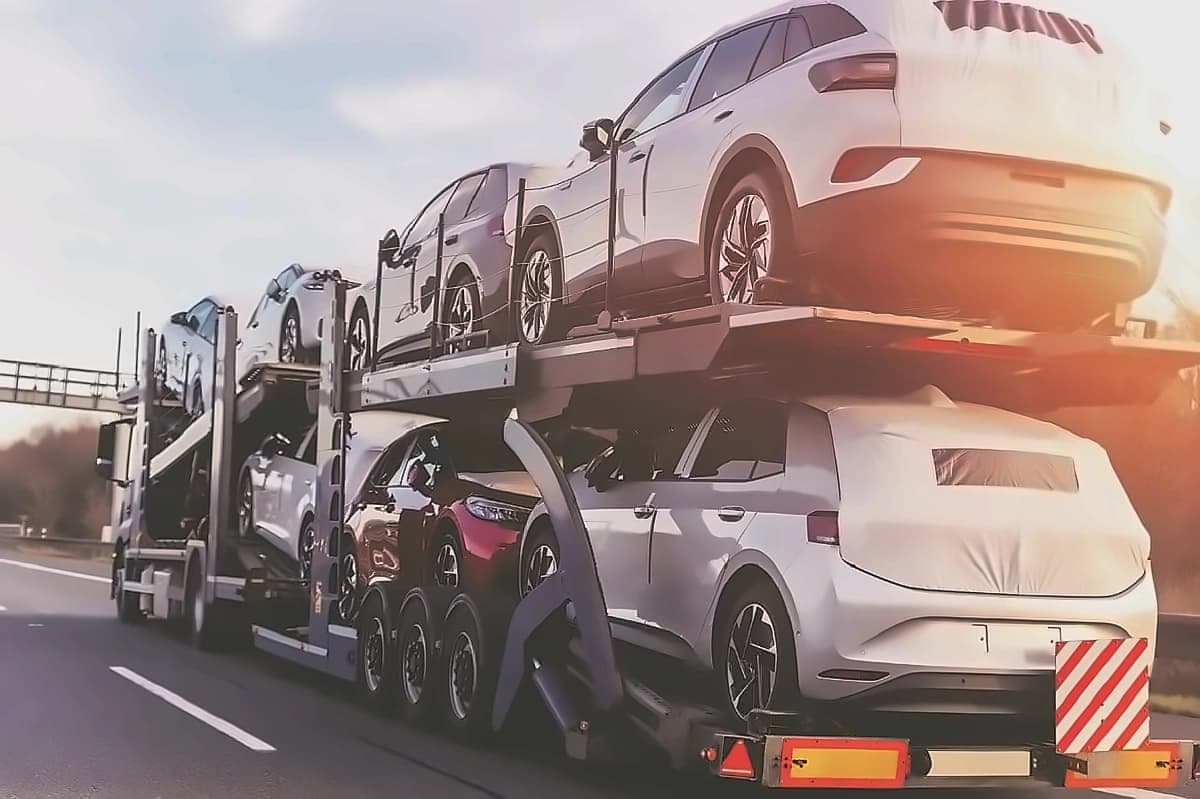
Passenger vehicle dealer inventories increased to 38-40 days in August, representing a five-day increase from July levels, as reported by the Federation of Automobile Dealers Associations (Fada). According to Business Standard, this buildup comes as automakers prepared for the upcoming festival season, with 56% of dealers reporting higher inventories compared to the association's recommended 21-day level. The inventory increase coincided with manufacturers' wholesale volumes growing 36.5% year-on-year in August, significantly outpacing retail registration growth of 16.14%. Recent data shows October sales demonstrating 10% month-on-month growth, driven by resilient demand for high-end vehicles and heavy discounting in volume segments. The August data with Society of Indian Automobile Manufacturers (Siam) showed PV wholesale volumes at 439,309 units, significantly ahead of the Fada's retail registration of 402,398 units, indicating a nearly 37,000-unit gap that points to a sizeable amount of stock moving into the channel ahead of the festival season.
Despite the overall inventory increase, manufacturer strategies varied significantly. Maruti Suzuki, the country's largest PV manufacturer, maintained 16 days of network inventories, well below the company's preferred 30-day festival inventory level, as reported by Business Standard. According to Partho Banerjee, senior executive officer, marketing and sales at Maruti Suzuki, this is below the company's preferred festival inventories of around 30 days. The company has also received more than 60,000 bookings for its Victoris, indicating stock availability constraints for some products. Hyundai Motor India reported inventories of four to five weeks, which Managing Director and Chief Executive Officer Tarun Garg described as healthy, while maintaining a disciplined approach with discounts at 2.8% of revenue in the first quarter, broadly in line with the previous year. Tata Motors reported a 62.4% YoY decline in Q2 net profit to ₹477 crore, missing expectations, with revenue dropping 16.3% to ₹15,518 crore due to weak demand in passenger vehicles, while the company anticipates sustained growth in passenger vehicle retail sales for the current quarter.
Dealer-level offers are currently ranging from ₹50,000 to ₹3.35 lakh across several mass-market models, according to Business Standard. Som Kapoor, partner and future of mobility leader at EY-Parthenon, noted that discounts on some models had reached ₹5 lakh-10 lakh last year, compared to around ₹3 lakh currently. The moderation in discounts from last year is attributed to a tighter demand-supply balance, as reported by Kapoor. Tata Motors offers benefits up to ₹3.35 lakh on select Curvv electric-vehicle variants and ₹2.75 lakh on the Harrier EV, while Mahindra & Mahindra provides up to ₹2.5 lakh on select SUVs. Maruti Suzuki's Grand Vitara carries headline benefits of up to ₹3.10 lakh, including a zero-road-tax benefit of up to ₹1.85 lakh. Hyundai's Creta has benefits of up to ₹1 lakh, while Kia's offers range from ₹50,000 on the Sonet to ₹1.5 lakh on the Carnival. Honda's Elevate has benefits of around ₹2.44 lakh. However, contrasting trends emerge with premium models like Toyota's Land Cruiser facing long wait times up to 96 weeks, while mainstream manufacturers offer substantial discounts up to ₹4.5 lakh to clear inventories.
The nearly 37,000-unit gap between wholesale volumes at 439,309 units and retail registration of 402,398 units indicates a significant amount of stock moving into the channel ahead of the festival season, as reported by Business Standard. Fada's survey showed 81.62% of dealers expected growth during September-November, though this was lower than the 87.85% a month earlier. The relatively strong expectations come against a high base, with Siam attributing part of August's wholesale growth to the lower base of the previous year, while Fada has flagged risks such as weaker than expected demand, a deficient monsoon in several states, and price increases. The key test now is whether the elevated inventories can be absorbed through retail demand in the festival season without a broadbased increase in incentives, as noted by industry experts. Despite steep discounts, passenger vehicle sales fell nearly 19% in September due to weak consumer sentiments and heavy rainfall, marking the first drop across all segments for the fiscal year.