Chinese automaker BYD is rapidly challenging the dominance of South Korean giants Hyundai Motor Co. and Kia Corp. in their home market. According to Bloomberg Intelligence data, BYD's EV and hybrid sales jumped ninefold from January to August to almost 18,000 units, while Hyundai's comparable sales fell 6% to about 139,000 units. The momentum continued into September, when BYD's registrations hit 20,000 units — double its initial yearly goal, as reported by the Korea Automobile & Mobility Association. This rapid ascent has enabled BYD to overtake Volvo and Toyota Motor Corp. in the ranks of foreign carmakers in Korea, despite only entering the passenger car market in early 2025.
The Chinese automaker's competitive advantage lies in its aggressive pricing strategy, offering feature-rich, low-cost electric vehicles and hybrids. BYD's Dolphin hatchback starts at 24.5 million won ($18,500), with discounts bringing the effective price to less than 23 million won — similar to Hyundai's subsidised Casper Electric at about 22 million won in Seoul. The company has broadened its lineup with the Sealion 6 DM-i plug-in hybrid at 37.5 million won, the cheapest in its segment. As reported by The Business Times, this pricing strategy is winning over price-sensitive buyers like Lee Seongdong, a 47-year-old YouTuber who chose BYD's Dolphin over Hyundai's two-year wait for the Casper Electric, stating the BYD was "way too good to pass up."
The Chinese competition is significantly impacting South Korea's domestic automakers. According to Samsung Securities Co. analyst Esther Yim, Hyundai's annual global sales will likely fall below 4 million units, missing its 4.16 million target for the first time since 2010. Hyundai Motor Group's senior vice president Lee Jae-kyu expressed concern, stating he felt "despair" at the design and pricing edge Chinese automakers displayed at the recent Paris Motor Show, noting that "Chinese vehicles offered superior design at prices roughly $10,000 cheaper." Despite holding a combined 72% share of the domestic market, Hyundai and Kia are struggling to compete with the lower-priced, technology-focused models offered by Chinese manufacturers. As The Business Times reports, "the biggest driver of their slowdown is Chinese competition," with Chinese EV makers' aggressive export push igniting intense price wars everywhere except the US and India.
While BYD's pricing strategy has been successful, analysts warn of long-term challenges due to service infrastructure limitations. According to CLSA Securities Korea Ltd. analyst Brian Lee, Chinese brands face hurdles including sparse service infrastructure, high repair costs, steep insurance premiums and swift depreciation. In online driver communities, BYD owners regularly complain about spare parts delays and high repair bills, with minor bumper and fender benders exceeding 11 million won in some cases. To address these concerns, BYD plans to expand its South Korea service locations to 26 from 20 by the end of 2026, though this will still face competition against Hyundai and Kia's network of more than 1,200 domestic service centers. As The Business Times notes, "Right now, everyone is focused purely on the sticker price, but as the market matures and resale value, service access and maintenance costs become clear, their overall appeal could fade."
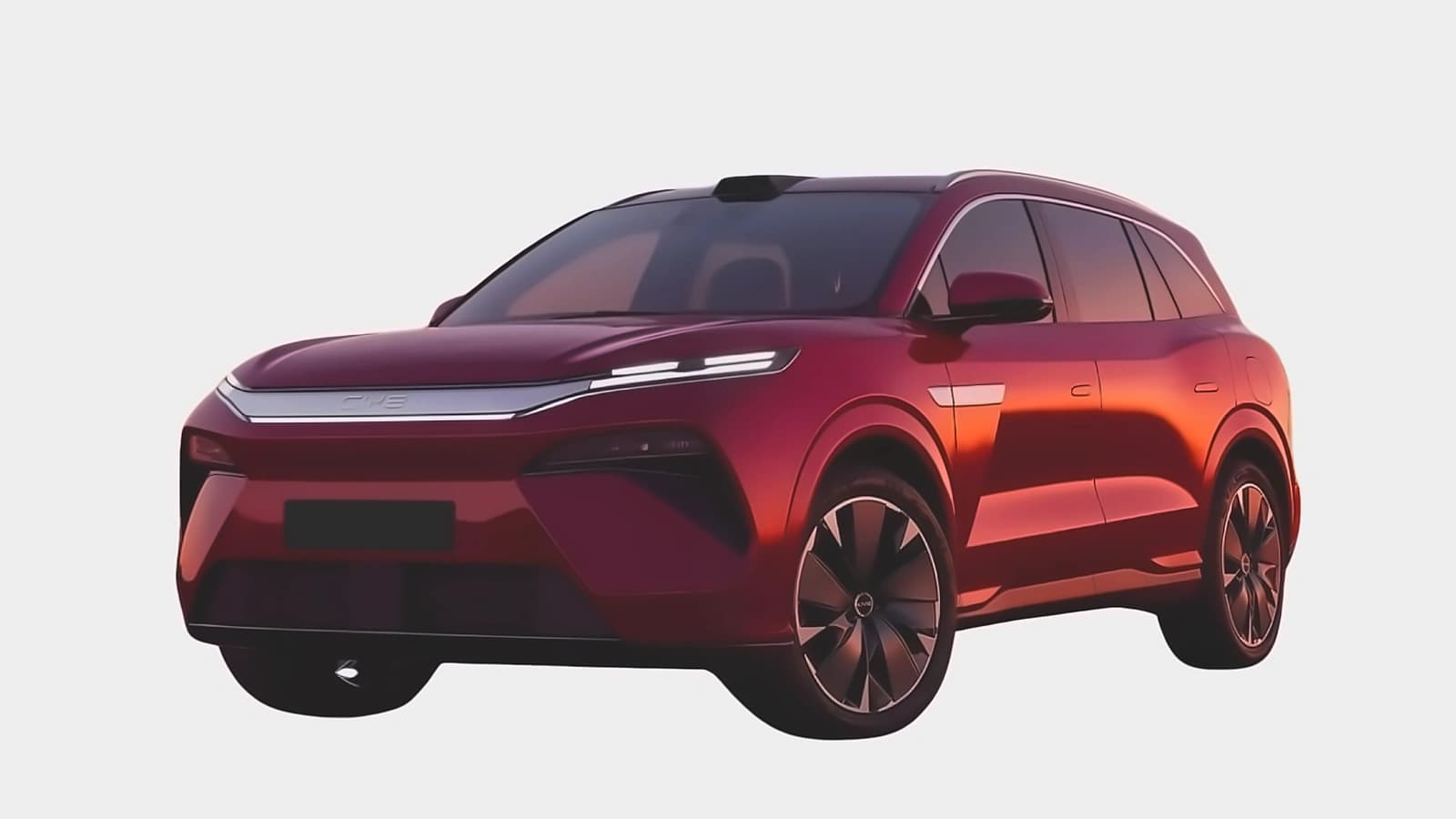
The rapid Chinese expansion has prompted significant policy responses from South Korean authorities. According to CNBC TV18, South Korean lawmakers have introduced a bipartisan bill in October proposing tax credits covering up to 50% of annual domestic production costs for strategic industries, including EVs. The Korea Automobile & Mobility Association representing South Korea's five automakers, including GM Korea, Renault Korea and KG Mobility, has urged parliament to pass tax incentives and policy support, warning that "the penetration of Chinese EVs could trigger the collapse of not just domestic EV makers, but the entire auto industry." The expansion in Korea is critical for Chinese automakers facing slowing demand at home, growing barriers in Europe, and being effectively shut out of the US market, with Korea imposing only 8% import tariff on Chinese passenger cars. In August, Korea excluded EVs from a bill granting tax credits to domestic manufacturers, leaving Hyundai and Kia with few policy shields against cheap Chinese imports.