Volkswagen is actively pursuing a joint venture partnership with JSW Steel to accelerate its growth in India's passenger vehicle market, with Skoda CEO Klaus Zellmer confirming discussions are underway. As reported by Reuters, Zellmer expressed confidence that 'our momentum can be much stronger if we have a local partner with strong roots' and indicated the company is 'deeply convinced' of completing a deal this year. The partnership would allow Volkswagen to share investment risks in a market where its profit rose 50% as sales doubled in FY26, though the scale remains insufficient despite over two decades of operations in India. According to Business Standard, there is greater chance of striking a deal with JSW because it aligns with the deep-pocketed group's ambition to become a major player in India's passenger vehicle market.
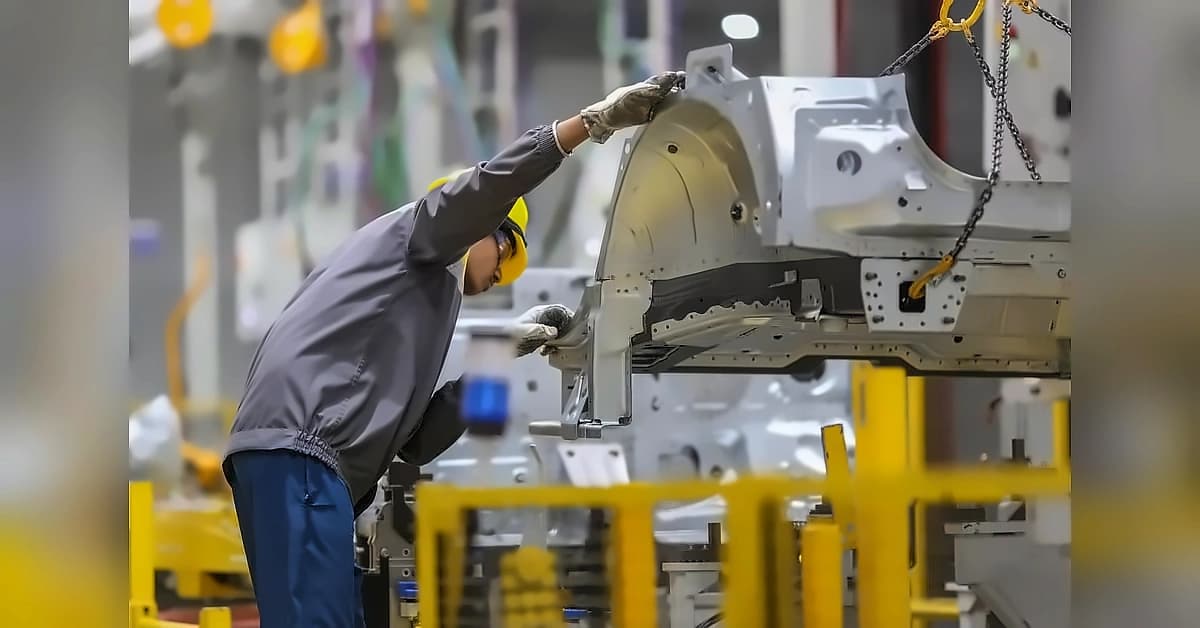
Volkswagen is implementing a 'vocal for local' strategy as the global automotive industry becomes more regionalized, according to Thomas Schafer, chief executive of Volkswagen Passenger Cars. The German automaker announced plans to launch a locally manufactured sub-four-metre compact SUV in India in 2027, built on Volkswagen's MQB-A0-IN platform which has been localised at Volkswagen's Pune operations. This strategic move positions Volkswagen to capture a larger share of the competitive Indian automotive market through locally manufactured, affordable vehicles, with the upcoming compact SUV being the brand's most accessible offering in the country. The company has achieved more than 90% localisation for products developed under its India 2.0 programme and exports around 30% of its annual production to more than 40 countries, with combined manufacturing capacity of around 300,000 vehicles across its two Indian locations.
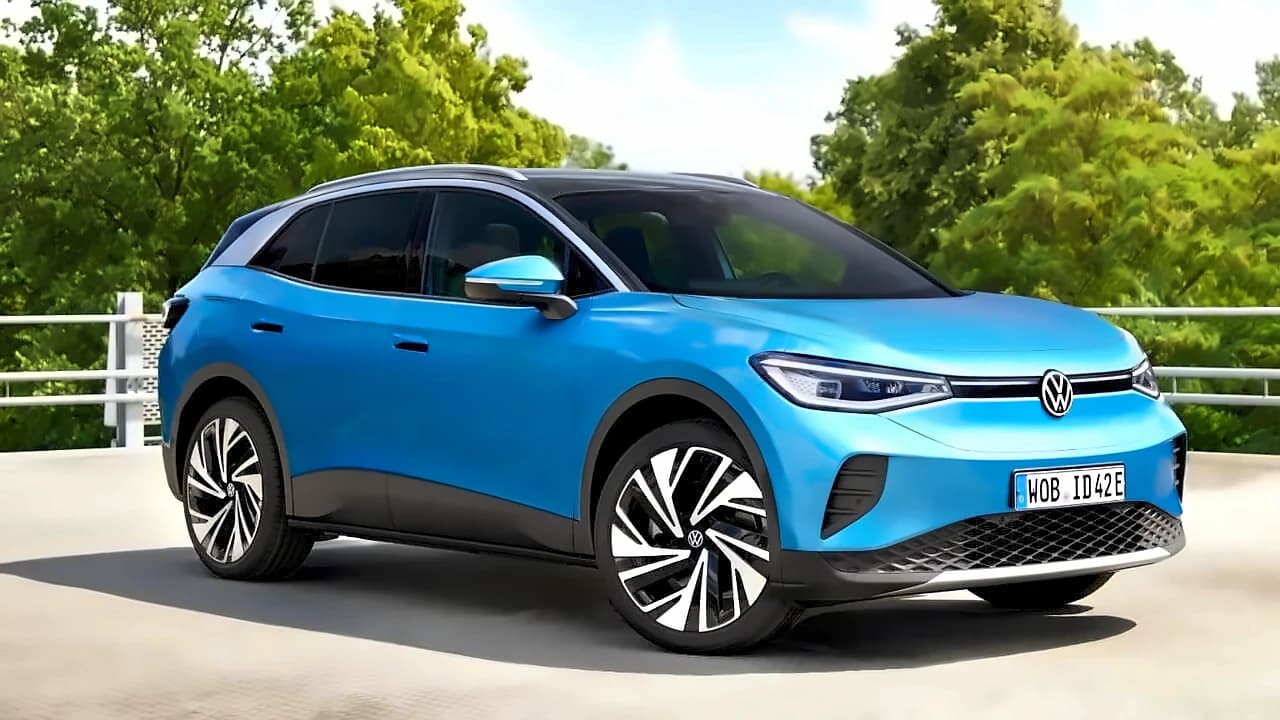
Škoda Auto Volkswagen India is actively evaluating multiple routes to enter India's growing electric vehicle market, including importing global models as fully built units, assembling vehicles locally and developing highly localised products for the country. As reported by Business Standard, EV penetration is projected to reach 17-18% by 2030, up from the current 7-8%, prompting the company to reassess its addressable market. The group had earlier considered developing an entry-level electric sport utility vehicle (SUV) for India and is currently assessing which platform could be adapted for a compact electric SUV. The company expects India's passenger vehicle market to maintain strong momentum in FY27, with growth likely to be in the high single digits and potentially reaching double digits, though geopolitical tensions and supply-chain disruptions could weigh on demand.
Volkswagen Group's retail sales rose 29.8% year-on-year to 110,000 units in FY26 from 84,810 units in FY25, according to Federation of Automobile Dealers Associations data, with market share increasing to 2.34% from 2.04%. Škoda Auto Volkswagen India accounted for the bulk of these sales, with volumes rising to 109,000 units from 84,267 units a year earlier. However, the group's momentum moderated in July, with retail sales declining 7.6% to 8,221 units from 8,902 units in the same month last year, while monthly market share fell to 1.9% from 2.55%. The upcoming compact SUV will be the brand's most accessible offering in the country, as reported by The Times of India, with the company expecting it to strengthen its presence in the compact SUV segment, which is one of the largest segments of India's passenger vehicle market.
Schafer highlighted that India has gained importance for both the Volkswagen brand and the wider group as global politics and changing trade dynamics reshape the automobile industry, as reported by The Times of India. He noted that 'the automotive industry has become more vocal for local or a more regional reorganised industry' compared to the past. The executive pointed to examples of cars made in China for China and a lot happening here in India, indicating a broader trend toward regional manufacturing strategies that Volkswagen is now embracing through its partnership approach. According to Business Standard, partnerships globally today in the automotive space are a way to leverage scale, local know-how and create a much wider perspective, with the company considering all possible opportunities in India while its immediate priority remains expanding the product portfolio and participating in faster-growing segments, including electric mobility.