India's electric vehicle market is positioned for explosive growth, with Union Minister Nitin Gadkari announcing that the EV market will reach ₹20 trillion by 2030 and create 50 million jobs. Speaking at a CII-ITC Centre of Excellence summit, Gadkari highlighted that currently 57 lakh electric vehicles are registered in India with 7% market penetration. The minister emphasized that India's two largest two-wheeler manufacturers, Bajaj Auto and Hero MotoCorp, export more than 50% of vehicles they produce, demonstrating the country's manufacturing capabilities. However, a significant gap remains in EV bus manufacturing, with demand for 1 lakh electric buses annually but only 50,000-60,000 EV buses manufactured currently.
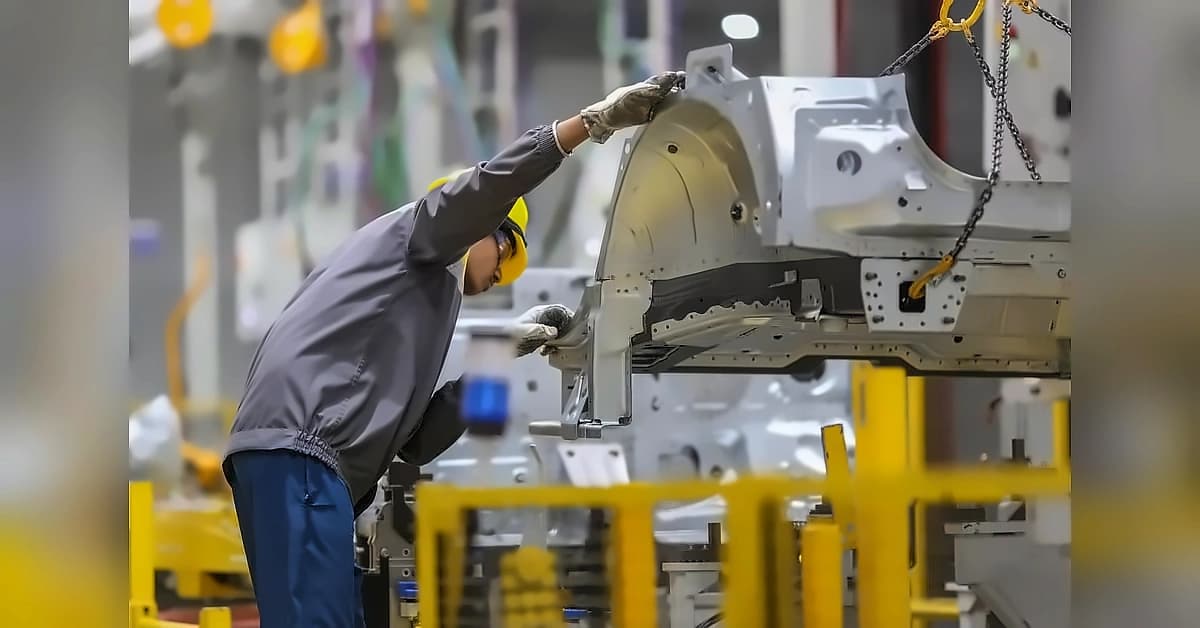
India is making significant progress in manufacturing localization across multiple sectors, yet the country's ambition must move beyond expanding production toward deeper value addition and stronger domestic capabilities. According to a recent NITI Aayog report prepared with Crisil, the focus must shift from simple assembly to building essential sub-parts domestically and achieving greater participation across global value chains. From smartphones and solar modules to electric vehicles and telecom equipment, the picture remains mixed across different industries. The opportunity for localization remains substantial as India strengthens its focus on self-reliance, strategic infrastructure, energy transition, and advanced manufacturing.
India's automobile industry has established one of the country's most developed manufacturing networks, with a large base of component makers supplying domestic and global vehicle manufacturers. The NITI Aayog-Crisil report highlights localization efforts, close Original Equipment Manufacturer (OEM) collaboration and joint ventures with global component companies as factors that have helped Indian auto-component manufacturers become increasingly integrated into global supply chains. Auto-component exports reached approximately ₹63,750 crore ($7.5 billion) in FY2025, with Indian suppliers serving markets across Europe, North America and Asia.
Smartphones represent India's clearest recent manufacturing success story, with 99.2% of mobile phones used in India now made domestically. India has become the world's second-largest mobile phone manufacturer by volume and a net exporter of mobile phones, with smartphones becoming India's top individual export commodity in FY2025-26. However, an external evaluation of the mobile manufacturing PLI scheme found that domestic value addition stood at just 23% in FY2023-24, meaning over three-quarters of a phone's value still comes from foreign parts. The government is now focusing on building essential sub-parts domestically through initiatives like the Electronics Component Manufacturing Scheme.
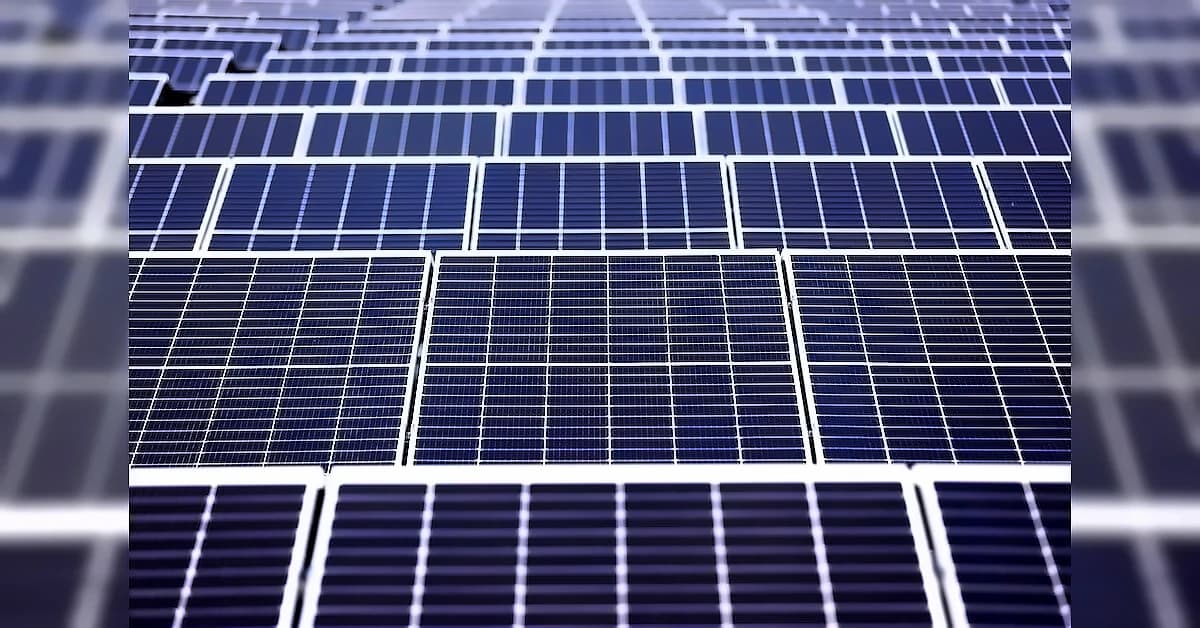
India's solar manufacturing capacity has expanded dramatically, with solar module manufacturing capacity rising from 2.3 GW in 2014 to about 172 GW by March 2026. However, the deeper value chain remains heavily dependent on imports, with the NITI Aayog-Crisil report estimating import dependence at about 100% for polysilicon, more than 90% for wafers, more than 60% for solar cells and more than 40% for modules. The government is pushing upstream production, including a proposed pathway under the Approved List of Models and Manufacturers framework for domestic ingot and wafer manufacturing from June 2028.
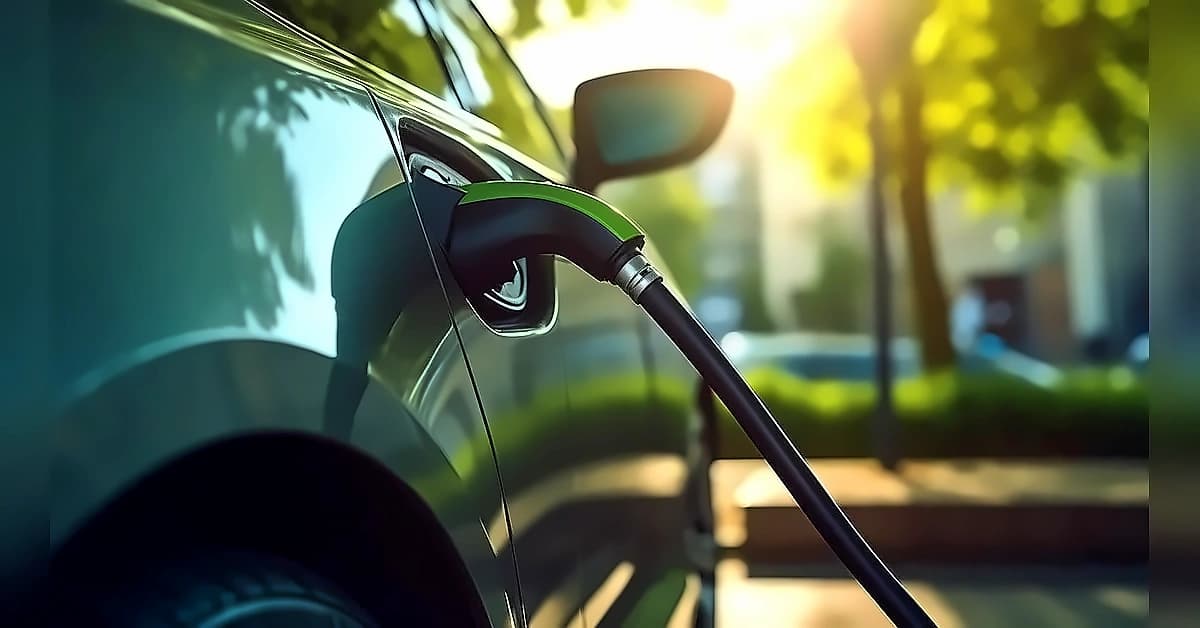
Electric vehicle sales rose around 25% year-on-year in FY2026 to 2.45 million units, according to data from the Federation of Automobile Dealers Associations (Fada). However, the sector remains dependent on imported lithium-ion batteries and critical minerals, which leaves the supply chain exposed to disruptions and changes in global trade policy. The ₹18,100-crore PLI scheme for Advanced Chemistry Cells aims to establish 50 GWh of domestic battery manufacturing capacity, with 40 GWh awarded to four beneficiaries by May 2026 and one 1.4 GWh plant established. The government's ambitious target to make India's automobile industry number one globally within five years, while challenging, reflects the sector's strong fundamentals and growth potential.
Gadkari highlighted significant progress in reducing India's logistics costs, which have been reduced from 16% to 10% through the construction of expressways and economic corridors by IIT Chennai, IIT Kanpur and IIM Bangalore. The government aims to further reduce logistics costs to 8% to enhance India's competitiveness in global markets. The minister noted that India currently spends ₹22 trillion on importing fossil fuels, contributing to pollution problems, while the automobile industry has grown from ₹14 trillion to ₹22 trillion since Gadkari took charge as transport minister. India's telecom equipment exports remain modest at $0.6-$1 billion annually, compared with imports of about $4-$5 billion, highlighting the need for continued focus on genuine localization beyond production expansion.