Indian oil marketing companies are bearing heavy financial losses for maintaining unchanged fuel prices despite crude oil prices surging to around $126 per barrel at one point and currently crossing the $100 per barrel mark. According to Oil Minister Hardeep Singh Puri, OMCs are experiencing ₹1,000 crore losses per day for selling final products at lower costs while purchasing crude, gas and LPG at higher prices. As reported by The Hindu BusinessLine, the minister highlighted that India is among very few countries that have not raised energy prices and have maintained steady supplies to citizens during global crises including the Russia-Ukraine war, Israel-Gaza-Hezbollah war, trade wars, and US-Israel-Iran war. The cumulative under-recoveries have now risen to ₹1.98 lakh crore, with actual losses estimated at close to ₹1 lakh crore for the current quarter. The three OMCs - Indian Oil Corporation (IOC), Bharat Petroleum Corporation Ltd (BPCL) and Hindustan Petroleum Corporation Ltd (HPCL) - are running record-high under-recoveries, with the combined under-recovery on petrol, diesel and cooking gas LPG reaching ₹1.98 lakh crore for the current quarter.
The financial burden on OMCs is expected to intensify significantly in the current quarter. According to Puri's statements, estimated OMC under-recoveries during this quarter are expected to surge to ₹2,00,000 crores with losses reaching around ₹1,0,000 crores. This translates to Indian OMCs bearing ₹30,000 crore to ₹31,000 crore losses per month while ensuring uninterrupted energy imports and supply to protect more than 60 million consumers who visit retail stations daily. As reported by The Hindu BusinessLine, Puri warned that if current crude price trends persist while retail rates remain unchanged, OMCs could face losses of around ₹1 lakh crore in a single quarter, an amount large enough to erase annual sector profits. The estimated ₹30,000 crore monthly under-recoveries do not include losses from Aviation Turbine Fuel (ATF), where prices have surged significantly following escalating tensions involving Iran, Israel and the United States. The minister acknowledged growing fiscal stress from keeping retail fuel prices unchanged, stating "How long will the oil companies be able to take it... frankly, that's something that worries me."
The government's decision to reduce excise duties on retail fuel has resulted in substantial revenue losses. As reported by The Times of India, the Modi government reduced excise duties on retail fuel and saw revenue losses of ₹14,000 crore per month. According to Sujata Sharma, Joint Secretary in the petroleum ministry, the government has attempted to shield consumers from rising global energy prices by reducing excise duty on petrol and diesel by ₹10 per litre in late March. "Our oil marketing companies are also facing losses, but the government has tried to ensure that there is no increase in consumer prices, and therefore excise duty has also been reduced," Sharma said. Despite these financial challenges, the government has maintained its policy of protecting consumers by absorbing the impact of rising crude oil prices. The government is also reassessing strategic energy storage policies after the current crisis exposed vulnerabilities in global supply chains, with the minister noting that "The experience since February 2026 means you have to rethink everything."
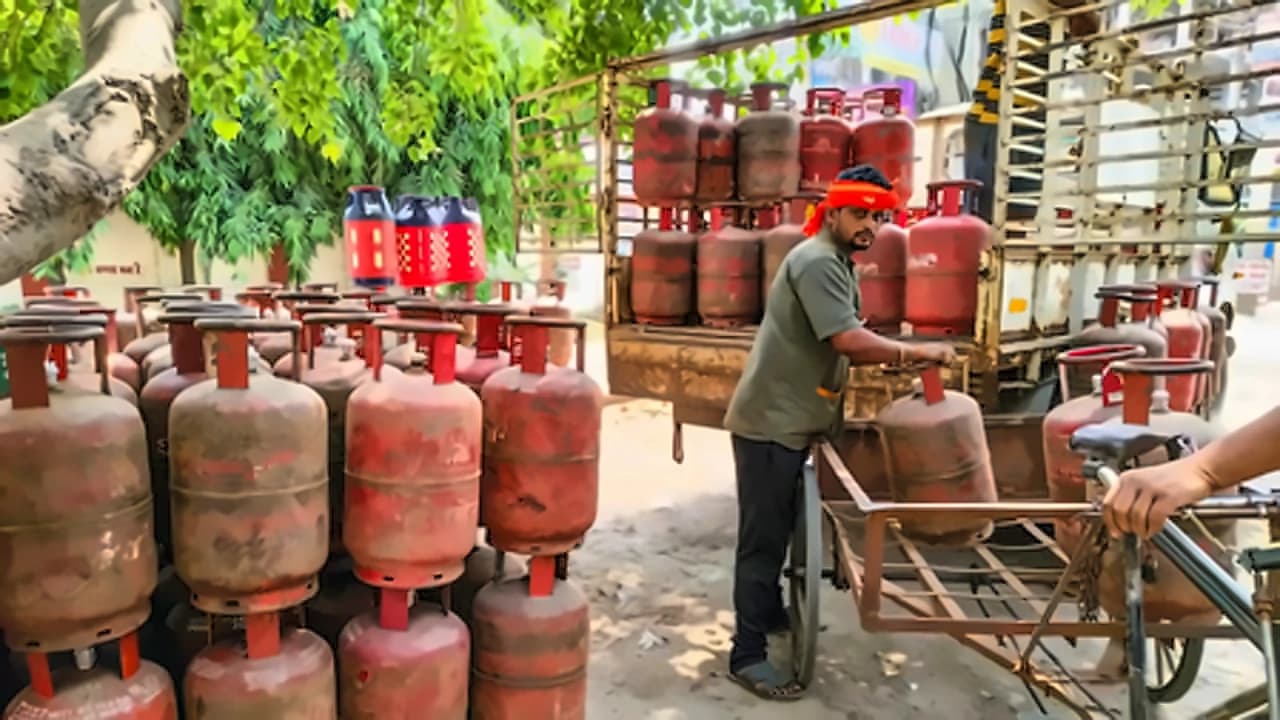
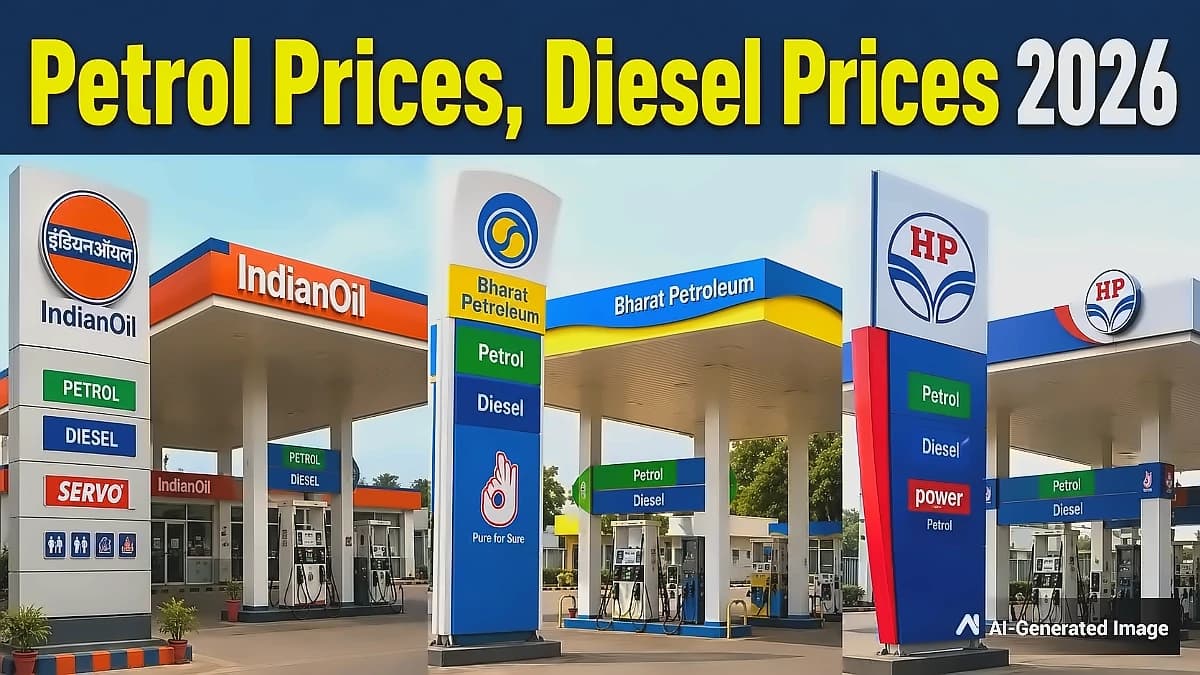
Fuel prices across major Indian cities remain unchanged with petrol prices ranging from ₹87.67 to ₹107.48 per liter and diesel prices between ₹82.45 to ₹96.48 per liter. According to the latest price data, New Delhi petrol is priced at ₹94.77 per liter with diesel at ₹87.67 per liter, while Kolkata shows the highest petrol price at ₹105.45 per liter and diesel at ₹92.02 per liter. As reported by The Hindu BusinessLine, OMCs are currently absorbing losses of ₹14 per litre on petrol, ₹42 per litre on diesel, and ₹674 per litre on LPG. The prices are calculated considering international crude prices, excise duty, VAT, cess, currency fluctuations and other costs. Despite a nearly 50% rise in crude oil input costs, retail fuel prices have remained unchanged for four years. Domestic cooking gas LPG prices were raised in March by ₹60 per cylinder, but they are still way lower than the actual cost. The minister noted that "There are no shortages anywhere. Every petrol pump in the country has had petrol and diesel. LPG supply is more than enough."
Despite global energy disruptions, India maintains robust fuel supply security with two months of fuel stockpiles and strategic reserves. According to Puri, India began the crisis with "more than enough" crude oil and LPG inventories and has since ramped up domestic LPG production to 54,000 tonnes per day from about 36,000 tonnes previously. India currently holds around 60 days of crude oil supplies, 60 days of LNG inventories and 45 days of LPG reserves, with the minister stating there was "absolutely no cause for anxiety." The government has conducted continuous "war-room" reviews of supply and refining operations, with officials monitoring the situation "hour by hour." India plans to expand refining capacity to 320 million metric tonnes per annum by 2030 from around 260 million currently, alongside increased domestic exploration efforts. The minister urged industries and households to accelerate the shift from LPG to piped natural gas, saying India was rapidly expanding gas pipeline infrastructure and LNG availability, noting that "It is cleaner, cheaper and helps us scale up the energy transition."