Oil marketing companies (OMCs) are positioned for a strong earnings recovery in Q2 FY28, with Brent crude prices down 12% from their Q1 peaks and easing freight and insurance costs supporting a swift turnaround. According to Nomura Global Markets Research, integrated margins for IOC, BPCL and HPCL have improved to $11.7, $13.3 and $8.3 per barrel respectively, compared to Q1 figures of $7.3, $5.5 and negative $4.5 per barrel. Antique Stock Broking expects OMCs to offer the strongest earnings recovery within their coverage once the Strait of Hormuz reopens, as lower crude prices and easing costs should compensate for Q1FY27 losses. The International Energy Agency has projected a surplus in oil supplies in CY27, further improving the medium-term outlook for OMCs.
The Nifty Oil & Gas Index declined 9% over the six months since the West Asia conflict involving Iran, the US and Israel began on February 28, 2026. According to The Economic Times, the index closed at 12,264 as of the latest session, matching its pre-conflict level from February 27, 2026. In comparison, the benchmark Nifty 50 fell 3.85% from 25,178 to 24,219 during the same period, indicating the oil and gas sector underperformed the broader market. The conflict has created elevated crude oil prices, supply disruptions and uncertainty surrounding the closure of the Strait of Hormuz, weighing differently across the sector. However, the sector's headline performance masks a sharp divergence among individual stocks, with state-run oil marketing companies (OMCs) and some upstream players coming under pressure while select logistics, gas and refining companies delivered strong gains. The latest developments show that Brent crude briefly topped $120 in April and still averages about $90 in 2026, up from roughly $70 last year, with the biggest impact on refined fuels.
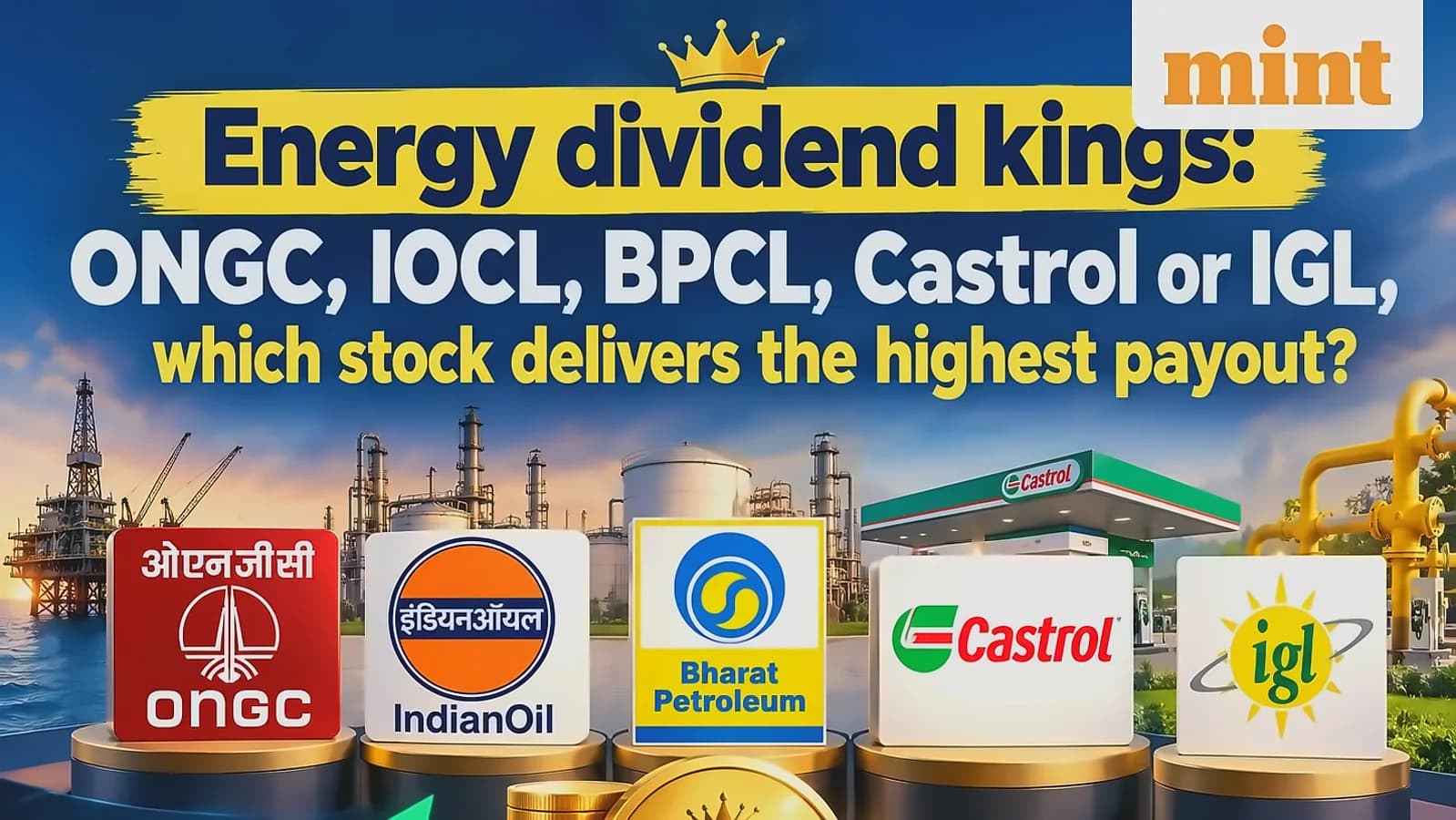
Among individual stocks, Aegis Logistics led the sector with 18.52% gains, while Aegis Vopak Terminals delivered double-digit returns. As reported by The Economic Times, GAIL (India) gained 2.49%, and Castrol India remained largely unchanged. At the other end of the spectrum, state-run oil marketing companies faced significant pressure. Indian Oil Corporation declined 26.12%, followed by Bharat Petroleum Corporation down 19.07%, and Hindustan Petroleum Corporation falling 15.23%. Among upstream companies, Oil & Natural Gas Corporation (ONGC) declined 15.43%, while Oil India fell 1.43%. Indraprastha Gas declined 13.54%, Petronet LNG fell 8.49%, Mahanagar Gas lost 7.55%, and Reliance Industries declined 6.03%.
The West Asia conflict severely impacted state-run oil marketing companies' financial performance in Q1 FY27. According to The Economic Times, Indian Oil Corporation reported a loss of ₹2,661 crore, Bharat Petroleum Corporation posted a loss of ₹1,873 crore, while Hindustan Petroleum Corporation posted a loss of ₹11,526 crore. In contrast, ONGC remained profitable, reporting a profit after tax of ₹5,956 crore, though compressed gross margins weighed on earnings compared with previous quarters. HPCL suffered more significantly with Ebitda losses of ₹16,100 crore against profits of ₹7,600 crore a year ago, while BPCL reported Ebitda losses of ₹4,100 crore compared to ₹9,700 crore profits previously. IOC reported an Ebitda of ₹1,950 crore, though it fell 85% year-on-year, aided by inventory gains on finished products.

Despite geopolitical tensions, the market remains adequately supplied with India importing 0.69 million tonnes per day in July, up from 0.65 mtpd in June but marginally lower than 0.72 mtpd in February. The Strait of Hormuz crisis has fundamentally disrupted global energy trade, with crude oil prices rising 20% higher than before the war and recovering from highs of more than $130 per barrel in April. However, the closure has redrawn global shipping flows, with ship-to-ship transfer shifts reducing shipping company risk while increasing oil-producing nations' exposure. The International Energy Agency has projected a surplus in oil supplies in CY27, helping to stabilize markets despite ongoing hostilities. Refining margins are receiving additional support from lower throughput with several refineries damaged by the conflict, China's export curbs, and longer lead times required for refineries to scale up even if crude prices stabilize.
OMC shares have declined 17-27% since the West Asia conflict began on February 28, with HPCL looking expensive at an enterprise value of 16.3 times FY27 estimated Ebitda, while IOC and BPCL trade at 7.4x and 10.4x respectively according to Bloomberg. The stocks will take further cues from geopolitical developments and how crude prices behave. Antique Stock Broking notes that OMCs faced significant stress in Q1 with HPCL and BPCL reporting Ebitda losses, but expects the recovery to be swift once the Strait of Hormuz reopens. The improved margins at current prices, combined with easing freight and insurance costs, support the optimistic outlook for Q2 performance across the sector.