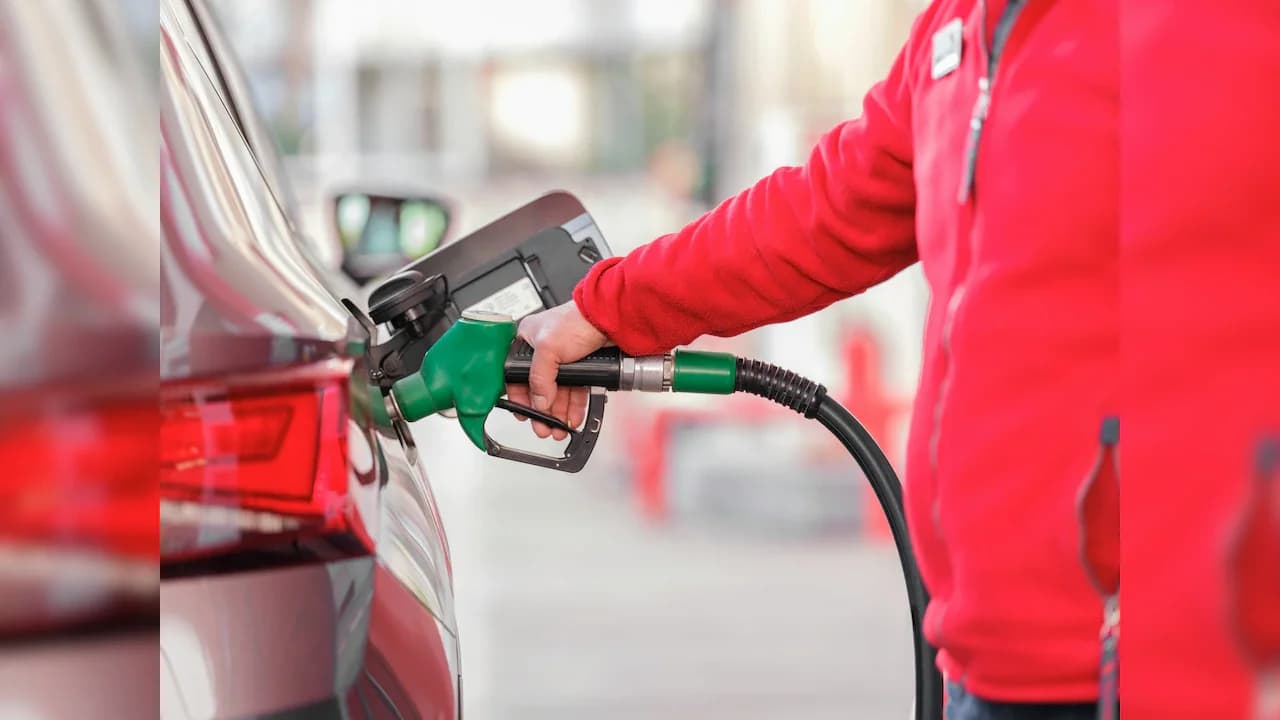
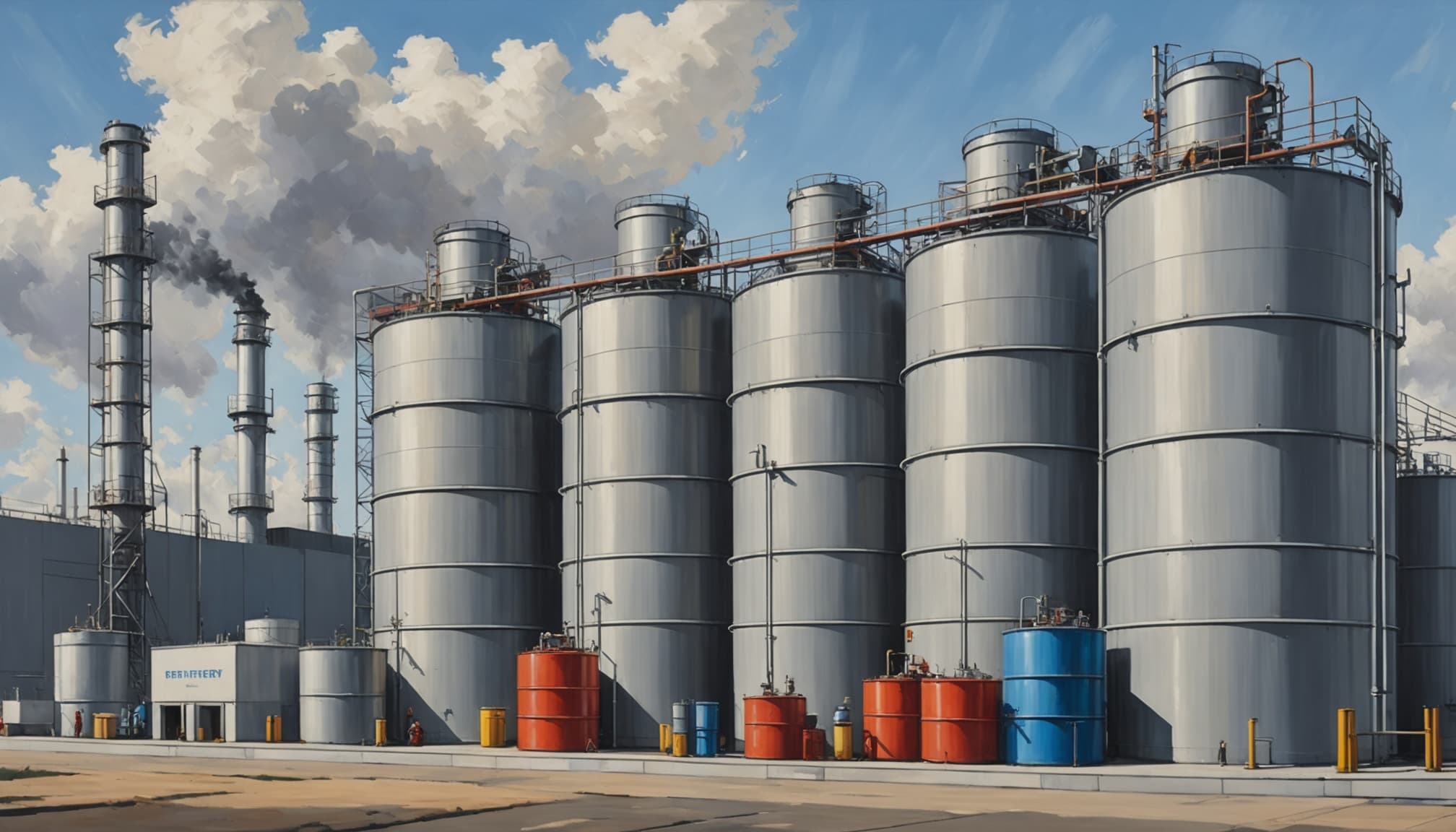
Indian oil marketing companies face a critical $115 per barrel threshold where operating profits would turn negative, according to CareEdge Ratings. With Brent crude currently trading at $86-88 per barrel, this leaves an estimated $28-30 per barrel headroom - a markedly more comfortable position than the low single-digit buffer seen during the March-April 2026 spike. However, CareEdge warns that this cushion could narrow quickly if crude prices rise above $100 per barrel, requiring further policy intervention. The agency flags a sustained Brent price above $100 per barrel as a key level that could trigger additional government intervention.
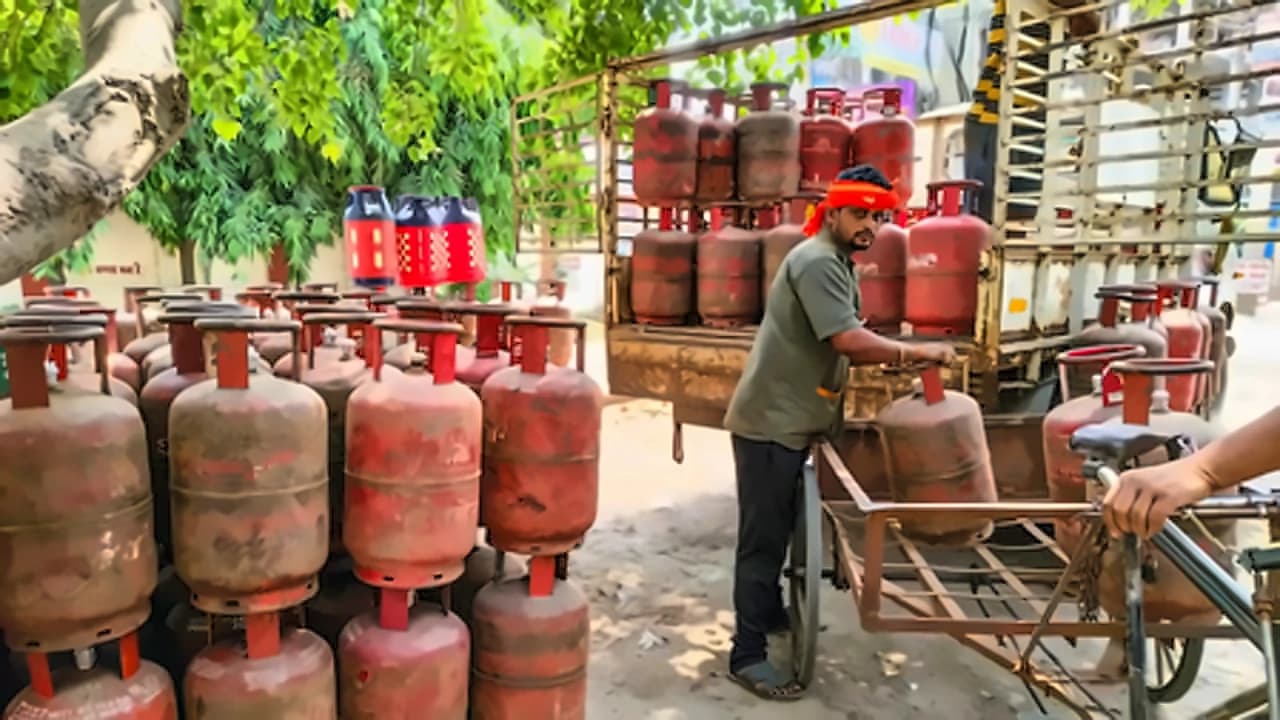
India's three major oil marketing companies experienced significant financial pressure in Q1FY27, with combined under-recoveries of around ₹13,700 crore after adjusting for compensation of ₹7,500 crore. According to a report from CareEdge Ratings, this decline in profitability came despite improved gross refining margins, highlighting the substantial impact of LPG pricing challenges on overall earnings. The under-recoveries resulted from selling LPG below the market-determined price, creating a substantial financial burden for the oil marketing sector. Total LPG under-recoveries have escalated to around ₹61,900 crore by June 30, 2026, compared to ₹48,200 crore on March 31, 2026, reflecting the cumulative impact of global supply chain disruptions.
The financial strain has resulted in significant losses across state-owned refiners. BPCL reported a consolidated net loss of ₹1,872.70 crore in Q1FY27, while HPCL posted a net loss of ₹12,264 crore and IOCL recorded a loss of ₹1,140 crore during the same period. Market performance has reflected these challenges, with IOCL shares declining 16% in 2026, BPCL falling 17% and HPCL dropping 25% compared to an 8.5% fall in BSE Sensex and 8% decline in BSE Oil & Gas index. The government has deployed its fastest available lever through an excise duty cut of ₹10 per litre on petrol and diesel announced in March 2026, which is estimated to have absorbed a crude price move of roughly $16-17 per barrel on behalf of India's OMCs.
The surge in LPG under-recoveries was primarily attributed to unprecedented disruptions in the global LPG supply chain following the West Asia conflict and the closure of the Strait of Hormuz. As reported by CareEdge Ratings, these geopolitical events widened the gap between sourcing costs and retail prices, creating significant financial pressure for Indian oil marketing companies. India, which imports approximately 60% of its LPG requirements, rapidly diversified sourcing away from West Asian suppliers to the United States and other markets, but this diversification resulted in significantly higher landed costs. The Strait of Hormuz has remained closed since February 28, 2026, contributing to supply disruptions and price volatility.
According to CareEdge Ratings, the key risks for OMCs now include the loss of discounts on Russian crude and sustained increases in global crude prices. The US Senate passed the Graham Act authorising tariffs of up to 100% on the top five Russian oil/gas buyers, which could upend India's oil economy. Ravleen Sethi, Director at CareEdge Ratings, warns that if both conditions - oil prices above $100 and the Graham Act implementation - break simultaneously, today's comfortable buffer could turn into March 2026-style stress within weeks. She emphasizes that while India's refiners have proven their ability to redirect crude baskets quickly, the sector has not yet tested its flexibility under simultaneous tariff-driven constraints and supply route disruptions.