Maruti Suzuki India has announced price increases of up to ₹30,000 across its model range, effective from June 1, 2026. According to reports from Business Standard, the country's largest carmaker cited sustained rise in input costs and continued inflationary pressures as the primary drivers behind this decision. In a regulatory filing, the company specifically cited sustained rises in input costs and inflationary pressures that it could no longer fully absorb, even after months of cost-cutting efforts. The ongoing conflict in West Asia has disrupted the automobile supply chains in India, which has raised the pressure on top of rising commodity prices, logistics costs, and foreign exchange fluctuations. As reported by The Times of India, Partho Banerjee, senior executive officer for marketing and sales at Maruti Suzuki, stated that the brand was extending its "strategic pricing" until further notice, keeping in mind the first-time buyers.

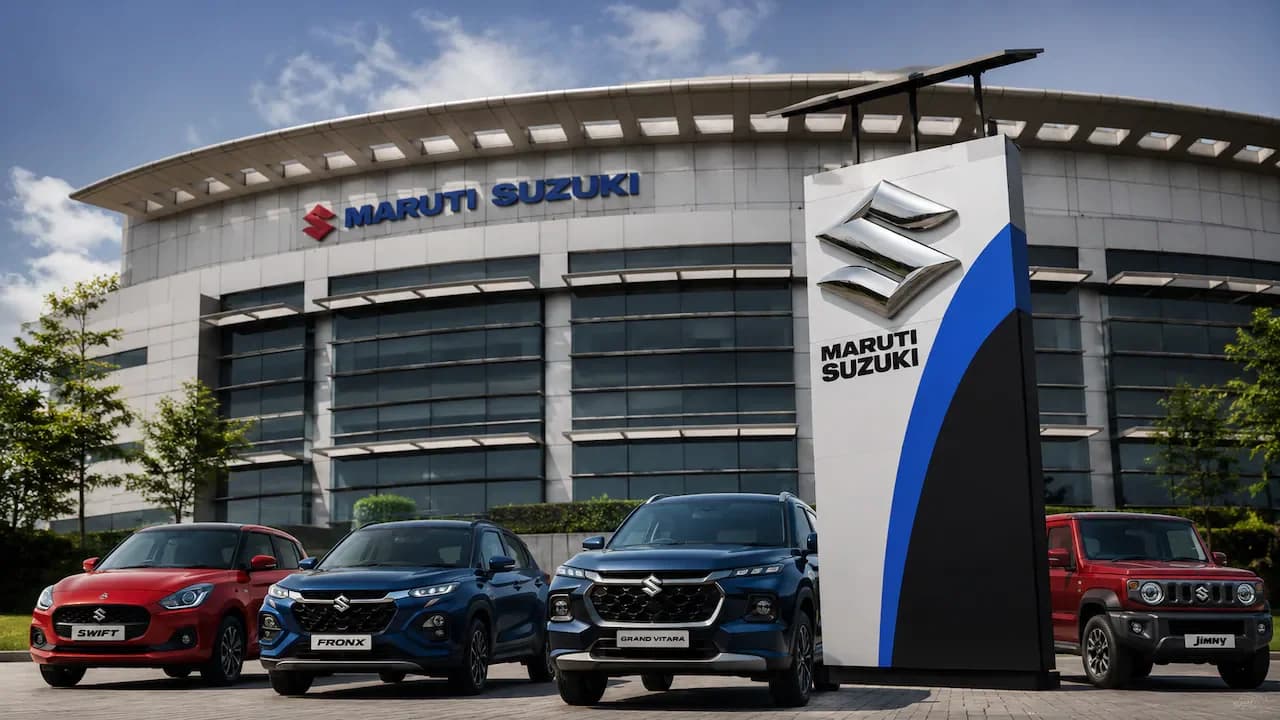
The price increase will affect popular models including Swift, WagonR, Brezza, Dzire, Ertiga and Grand Vitara, with the quantum varying depending on specific model and variant. As reported by India Business Trade, entry-level and budget buyers are expected to feel the biggest impact, as even a small increase in EMI or down payment can make a noticeable difference for middle-class families and first-time buyers. For someone buying an entry-level hatchback, a ₹20,000–₹30,000 increase could impact financing plans or monthly EMIs. Auto dealers across several cities are already expecting a spike in showroom visits and bookings as customers try to lock current prices before the new rates kick in next month.
The price increase comes as other carmakers have also passed on higher commodity and logistics expenses this year. As reported by Business Standard, MG Motor and Tata Motors hiked prices in April, Hyundai followed in May, and BYD will raise prices by up to 2 percent in July as well. Maruti is simply the last major domino to fall in the current wave of automotive price increases. Customers planning to buy popular models like Swift, Brezza or Ertiga should complete the purchase before May ends to avoid the new rates.
As reported by Business Standard, the exact quantum of the price hike will vary depending on the specific model. Shares of Maruti Suzuki India were almost flat at ₹13,002.50 on the BSE following the announcement. The price increase comes as automobile manufacturers have been facing pressure from higher commodity prices, rising logistics expenses and elevated input costs in recent quarters. According to India Business Trade, the timing is significant as the Indian automobile market is already witnessing rising ownership costs, with buyers also paying more for insurance, fuel, registration, and maintenance. Despite the price hike, The Times of India reports that Maruti has been absorbing the continued increase in input costs by optimising efficiency within the company, though mounting costs have necessitated passing on a portion of the burden to customers.
According to Business Standard, on a standalone basis, net profit declined 6.9% YoY to ₹3,590.5 crore in Q4 FY26 from ₹3,857.3 crore in Q4 FY25. However, revenue from operations rose 28.9% YoY to ₹50,078.7 crore in Q4 FY26 compared with ₹38,839.1 crore a year ago. The company reported a 33.29% jump in total sales volume to 2,39,646 units in April 2026 compared with 1,79,791 units in April 2025.