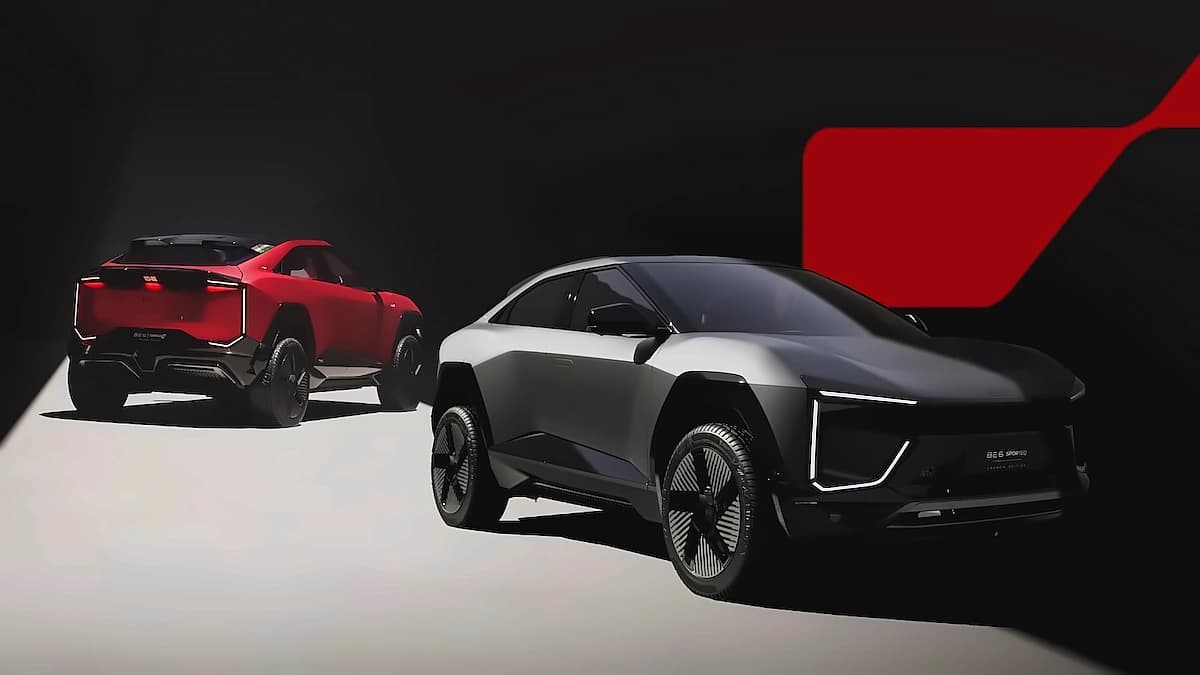
Maruti Suzuki India Ltd is set to launch India's first E100-compatible vehicle on June 5, marking another milestone in the country's ambitious ethanol programme. Union Road Transport and Highways Minister Nitin Gadkari announced this development, which comes as India has rapidly expanded ethanol blending in petrol, achieving the government's 20% blending target ahead of schedule. The launch represents the next phase in India's ethanol adoption journey, moving beyond E20 blending to nearly pure ethanol vehicles.
Maruti Suzuki India Ltd achieved its highest-ever monthly sales of 242,688 units in May, setting a new benchmark for the company. This represents a significant milestone as the company continues to capitalize on the growing demand for CNG vehicles while managing its electric vehicle expansion plans. The company's total domestic sales surged 40% to an all-time high of 190,337 units in May, with nearly 40% of sales in CNG powertrain options.
Maruti Suzuki India Ltd announced on Monday that it will prioritize compressed natural gas (CNG) vehicles after their bookings hit a record high, with natural gas prices rising at a slower pace than petrol and diesel. The company has also pushed back plans to scale up its electric vehicle production for the domestic market beyond 2,000 units a month to the second half of the fiscal year, citing prior commitments. In February, the company had said it will make 2,000 EVs for the domestic market till July, after which capacity will be increased for its eVitara, its only electric vehicle. The strategic shift reflects the company's focus on alternative fuels amid rising petrol prices.
According to industry experts, E100 vehicles could offer consumers a reduction of around 25 to 35% in per-kilometre fuel expenses compared to petrol vehicles. As reported by Business Standard, Adithya Jayakar, joint managing director of auto components manufacturer UCAL Ltd, noted that the running cost advantage could be quite significant, particularly if ethanol pricing remains favourable against petrol. However, E100 vehicles require dedicated fuel stations with specialized equipment, as ethanol absorbs moisture more readily and is more corrosive than petrol. The rollout is expected to begin in ethanol-surplus regions like Maharashtra, Karnataka, Uttar Pradesh and the National Capital Region before expanding nationwide.
Maruti's decision comes as rivals Tata Motors and Mahindra and Mahindra witness a boom in EV sales. As reported by The Economic Times, EV car sales touched an all-time monthly high of 26,000 units in May, with 6.5% penetration in overall sales according to Vahan data. Tata Motors PV's sales grew 42% in the domestic market to 59,090 units in May, with EVs crossing the 10,000-mark for the first time, clocking an 85% growth from a year ago. Mahindra's overall domestic sales rose 11% to 58,021 passenger vehicles, with Vahan data showing that its EV sales doubled year-on-year to over 6,100 units.
Maruti's decision to go slow on EV production for the domestic market comes after it missed the production target of 70,000 for fiscal year 2026 by a huge margin. According to The Economic Times, the company exported 25,000 EVs and registered 1,400 units domestically in FY26, missing the target set by its chairman R.C. Bhargava. The company is the first carmaker to raise the issue of consumers' shift from petrol and diesel cars to CNG amid West Asia war-induced fuel supply disruptions and the government's clean fuel push. The success of E100 adoption may ultimately hinge on infrastructure development, ethanol pricing stability, and the industry's ability to convince consumers that cheaper driving doesn't come at the cost of convenience.