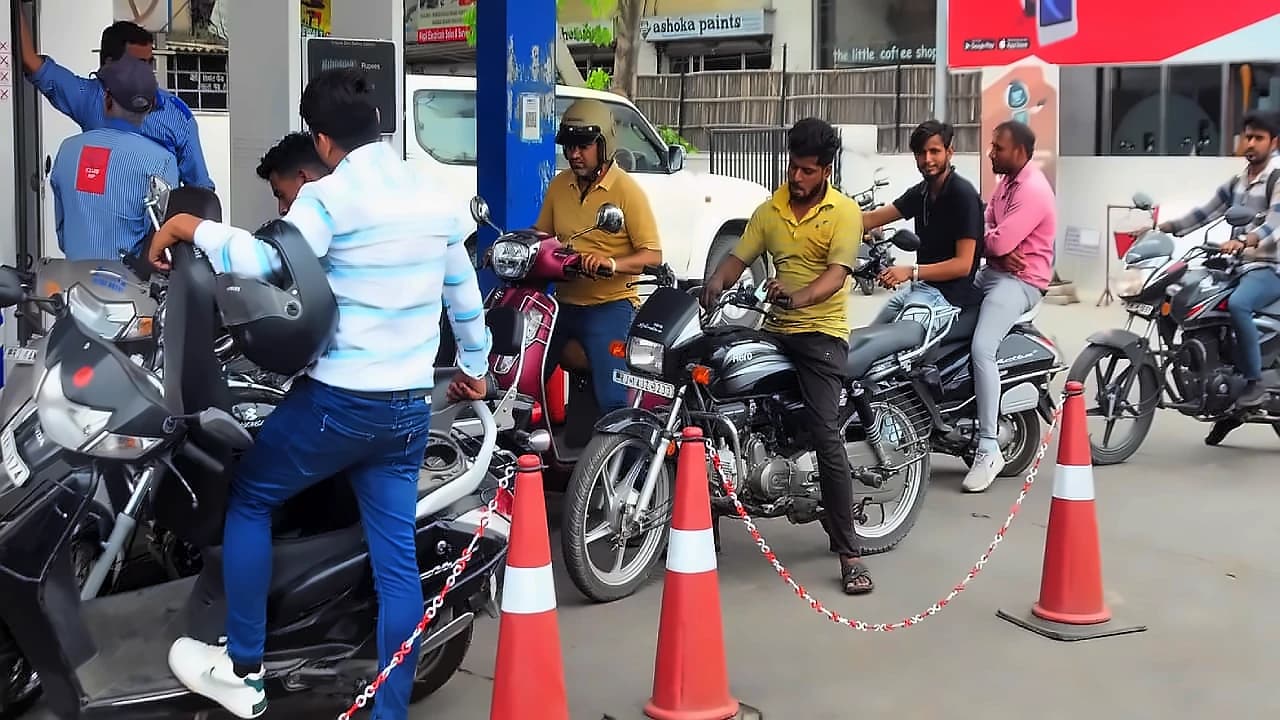
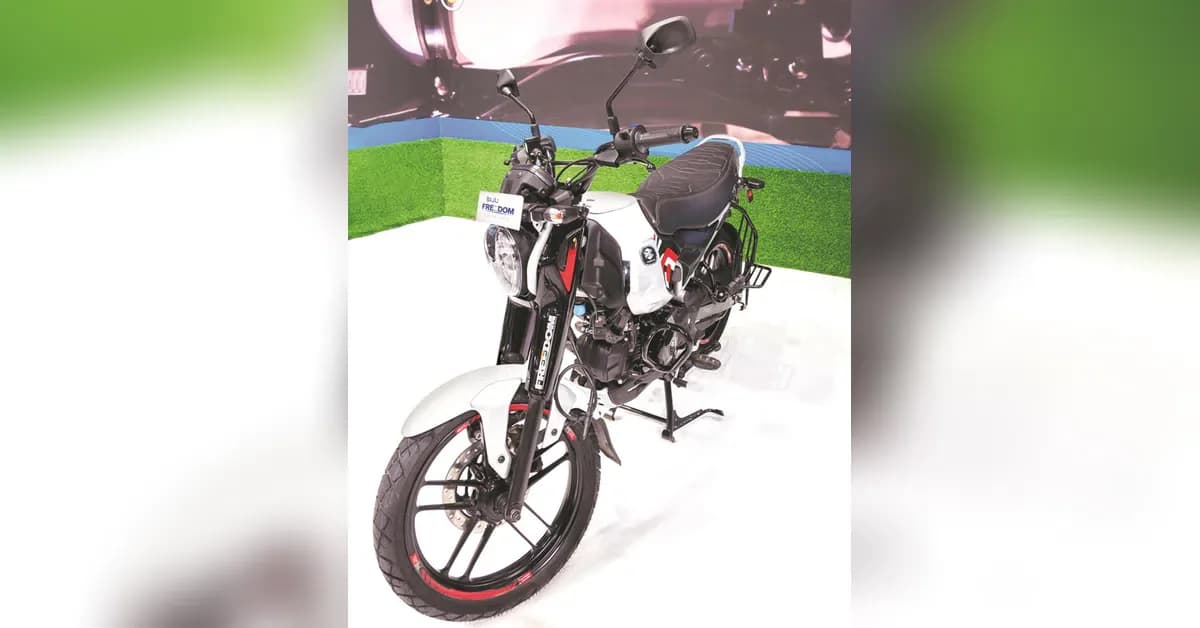
Petrol car penetration fell to a record low of 41.68% in July 2026, marking a significant decline from 48.11% in July 2025 and 51.75% in July 2024, according to the Federation of Automobile Dealers Associations (FADA). As reported by Business Standard, this decline was primarily attributed to concerns over the E20 fuel transition program, which has raised quality issues and potential engine impact concerns among consumers, political parties, and industry bodies. The alternative fuel share increased to 34.14% in July 2025, up from 29.89% in July 2024, demonstrating a clear shift away from conventional petrol vehicles.
The shift toward alternative fuels was particularly pronounced in major states across India. According to Business Standard's exclusive data, CNG overtook petrol-powered passenger vehicles in Gujarat, Haryana, Maharashtra, Rajasthan, and Uttar Pradesh. In Haryana, CNG share increased from 36.2% to 43.17%, while in Uttar Pradesh it rose from 31.63% to 38.46%. Similarly, CNG share in Rajasthan grew from 29.35% to 34.86%, Maharashtra from 34.75% to 37.72%, and Gujarat from 38.9% to 40.58%. Meanwhile, petrol share in these states declined significantly, with Haryana's petrol share dropping from 36.25% to 28.24%, Uttar Pradesh from 39.59% to 33.11%, and Gujarat from 29.22% to 26.19%.

Diesel penetration in new car sales rose marginally from 16.32% in June to 17.73% in July, while maintaining 17.75% in July 2025, as reported by Business Standard. Sai Giridhar, vice-president of FADA, noted that the 6% degrowth in petrol versus the same time last year demonstrates the major role E20 concerns played in customer shift to alternative fuels. Electric vehicle performance was particularly strong, with total EV retail sales reaching 327,901 units - the highest for any month in history. EV penetration increased to 12.7% from 9.6% a year ago, with two-wheelers and commercial vehicle EV volumes touching all-time records.
Despite petrol car challenges, the overall automobile retail sales achieved their best ever July performance, with industry sales reaching 2.59 million units, up 26% from the same time last year, according to Business Standard. This represented the strongest July growth in the series outside Covid-distorted base years, with growth being broad-based across all segments including two-wheelers, three-wheelers, commercial vehicles, passenger vehicles, tractors, and wheeled construction equipment. The momentum was attributed to GST 2.0-led affordability, ease of retail finance, and favorable festival timing on a July 2025 base that had declined nearly 4%.
Looking ahead to August 2026, dealer optimism has firmed considerably, with 74.30% of dealers expecting growth in sales, as reported by Business Standard. However, PV inventory rose to 33-35 days, well above FADA's recommended 21-day benchmark. The E20 fuel blending program, part of the Centre's strategy to increase ethanol use and reduce imported crude oil dependence, continues to face quality concerns that may accelerate the shift toward alternative fuels. Giridhar noted that the numbers indicate alternative fuel may overtake petrol anytime this year, reflecting the fundamental change in consumer preferences driven by E20 transition concerns.