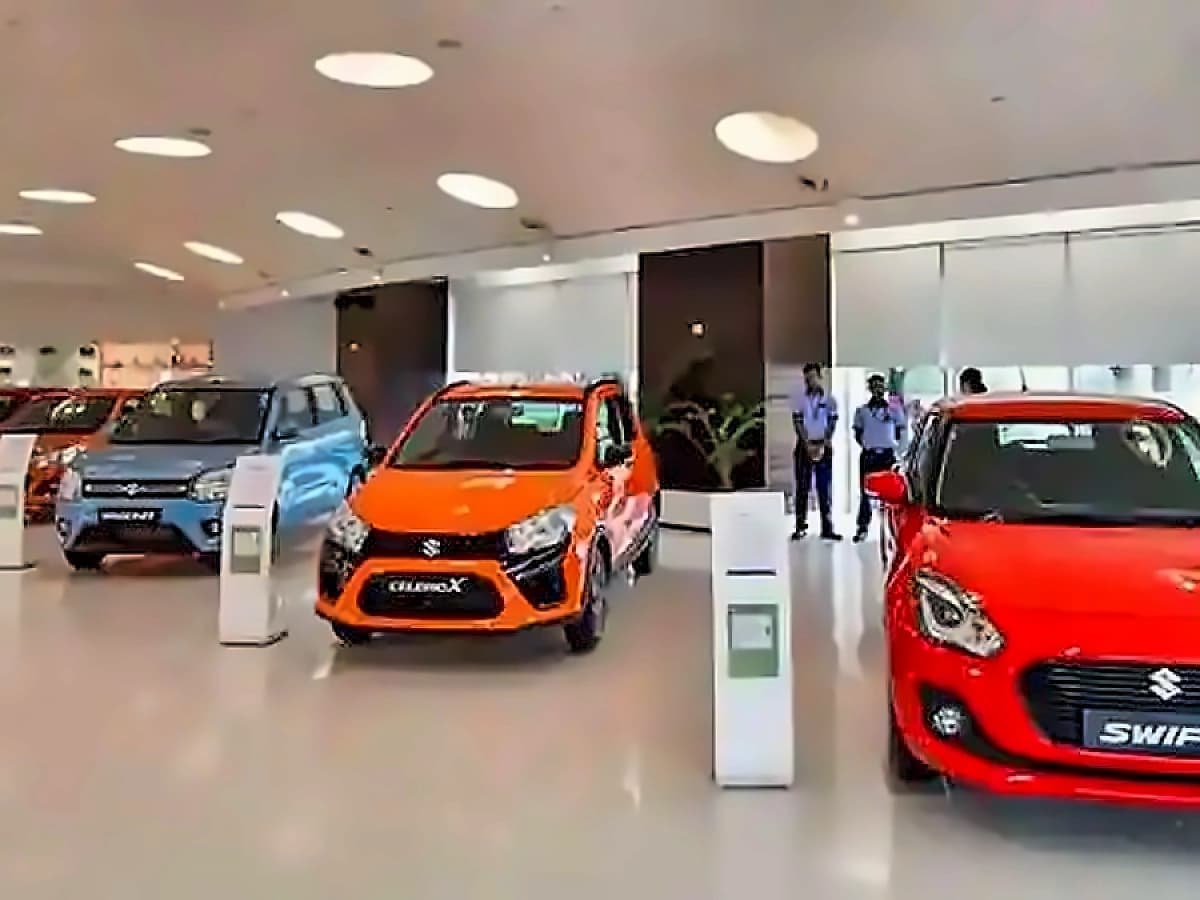
Maruti Suzuki India has achieved a significant milestone with its Eeco model crossing 1.5 million cumulative sales since its debut in 2010, marking its fastest 5 lakh sales cycle in just three and a half years. The company reported overall sales of 2,19,220 units in August 2026, marking a 21.3% growth year-on-year, with the auto giant crossing the 10 lakh sales milestone within the first five months of fiscal year 2026-27. The Eeco's S-CNG variant mix has surged to 48% of total sales in FY25-26, highlighting a dramatic shift from just 12% in FY19-20, while rural markets represented 65% of Maruti Suzuki Eeco's total sales in the 2025-26 fiscal year. As reported by multiple sources, this milestone demonstrates the model's continued dominance in the Indian passenger van segment, backed heavily by deep rural penetration and micro-entrepreneur adoption.
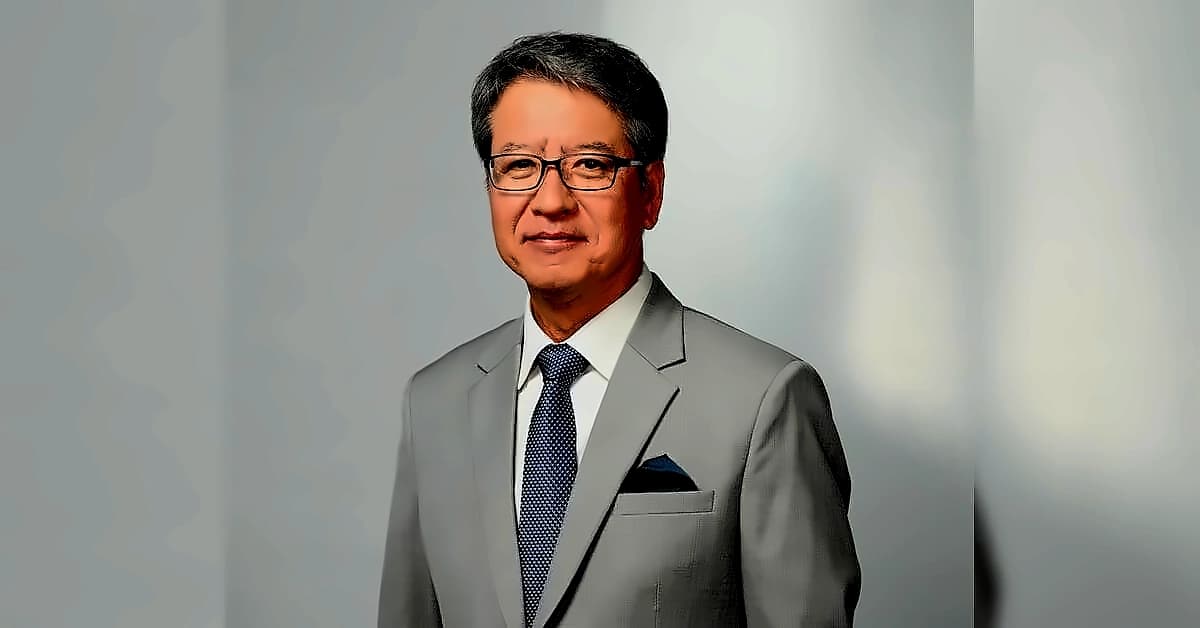
Hisashi Takeuchi, managing director and chief executive officer of Maruti Suzuki India, highlighted that global supply chains are being reconfigured, creating an opportunity for India to emerge as a trusted manufacturing and supply chain hub. Speaking at the 66th annual session of the Automotive Component Manufacturers Association of India (ACMA) on September 2, Takeuchi emphasised that conditions for deeper localisation in India have become more favourable due to multiple factors. He pointed to government support through measures such as production-linked incentive schemes and the India Semiconductor Mission, which are helping create capabilities in critical areas and reduce strategic dependencies. GST 2.0 has accelerated growth in the domestic automobile market even as India's export potential continues to strengthen, creating the scale required to justify investment in technologies that were previously difficult to manufacture competitively in India. Cost is no longer the only consideration. Reliability and continuity have become equally important, as reported by The Economic Times.
Hisashi Takeuchi, managing director and chief executive officer of Maruti Suzuki India, warned the Indian automotive industry must stay one step ahead of evolving cyber threats as digitalisation accelerates. Speaking at the 66th annual session of the Automotive Component Manufacturers Association of India (ACMA) on September 2, Takeuchi emphasised that while organisations are continuously strengthening cybersecurity systems through advanced technologies, hackers are simultaneously evolving their technology and becoming more sophisticated with each passing day. As reported by Moneycontrol, he stressed the need for robust contingency plans to resume business operations within the shortest possible time and minimise potential disruption. India's automotive regulatory landscape is actively moving to mandate cybersecurity compliance for vehicles equipped with electronic control units, with regulatory proposals like AIS-189 requiring manufacturers to deploy robust organizational cybersecurity systems. Supply chain disruptions if smaller Tier-2 and Tier-3 suppliers fail to meet cybersecurity mandates pose significant risks to the entire automotive ecosystem, as a compromise at these levels can easily halt entire OEM production lines or infect vehicle ECUs. In modern automotive networks, a compromise at a Tier-2 or Tier-3 component supplier can easily halt an entire OEM production line or infect vehicle ECUs, making securing these suppliers vital to ensuring long-term operational resilience.
Takeuchi outlined four areas that could help the automotive industry move beyond simply surviving disruptions: deep localisation, people, collective learning and technology. As reported by The Economic Times, he emphasised that deep localisation is about reducing exposure to external disruptions by strengthening domestic capabilities and progressively owning a larger share of the value chain. He noted that "unless Tier-2 and Tier-3 suppliers are capable, we can't produce world-class quality," requiring focus beyond immediate companies to include immediate suppliers and Tier-2 and Tier-3 suppliers. The industry needs to support these suppliers through technology, quality systems and engineering capabilities, with "better communication across the supply chain will also be important so companies can react faster and coordinate their responses when disruptions occur." While we may not be able to anticipate every risk, we can continuously improve our ability to prepare, adapt, and respond," he said. The ability to attract and retain talent could become an important differentiator as competition increases. The auto-component ecosystem must brace for escalating tech compliance requirements from major OEMs, with smaller vendors facing immediate capital expenditure pressures to build secure digital infrastructures and upskill IT staff.
Takeuchi concluded that the automotive industry had spent the past decade learning to withstand disruptions ranging from semiconductor shortages to geopolitical conflicts and supply-chain uncertainties. As reported by The Economic Times, he said the next challenge was to build an industry that could become stronger because of disruptions rather than merely survive them. Drawing on Nassim Nicholas Taleb's concept of "antifragility," he said a fragile system breaks under stress, a resilient system survives it, while an "antifragile" system gains strength from stress. "The last decade taught us how to withstand disruption. The next decade must help us become stronger because of disruption," he said, emphasising that "a challenge faced by one component manufacturer can become a source of learning for the entire ecosystem." If one company develops an effective response to a challenge, that learning should benefit the broader industry, he added, noting that Maruti Suzuki has been working on platforms through which suppliers can share experiences and practices, with its Digital Library initiative creating a repository of case studies accessible across the supplier ecosystem. Technology, meanwhile, can help companies identify risks before they turn into disruptions. Takeuchi cited Maruti Suzuki's use of supplier geo-mapping along with localised weather intelligence to provide advance alerts about potential disruptions, with the objective "not to predict every disruption. That is impossible. The objective is to identify risks early enough to take counter measures."