A JSW Group subsidiary has marked its entry into India's electric bus market through aggressive bidding in the government's recent tender for 6,230 electric buses. According to reports from Mint, JSW Eco Mobility Pvt. Ltd, the group's bus operator, submitted bids across all five cities and undercut established players including Tata Motors, Olectra Greentech, JBM and Ashok Leyland. The JSW arm was the second or third-lowest bidder in at least four cities: Pune, Ahmedabad, Hyderabad and Delhi, demonstrating competitive pricing strategies. As reported by Mint, the company's participation in the CESL electric bus tender under the PM E-Drive programme represents a natural step for the conglomerate, though it did not win any orders in this tightly contested market.
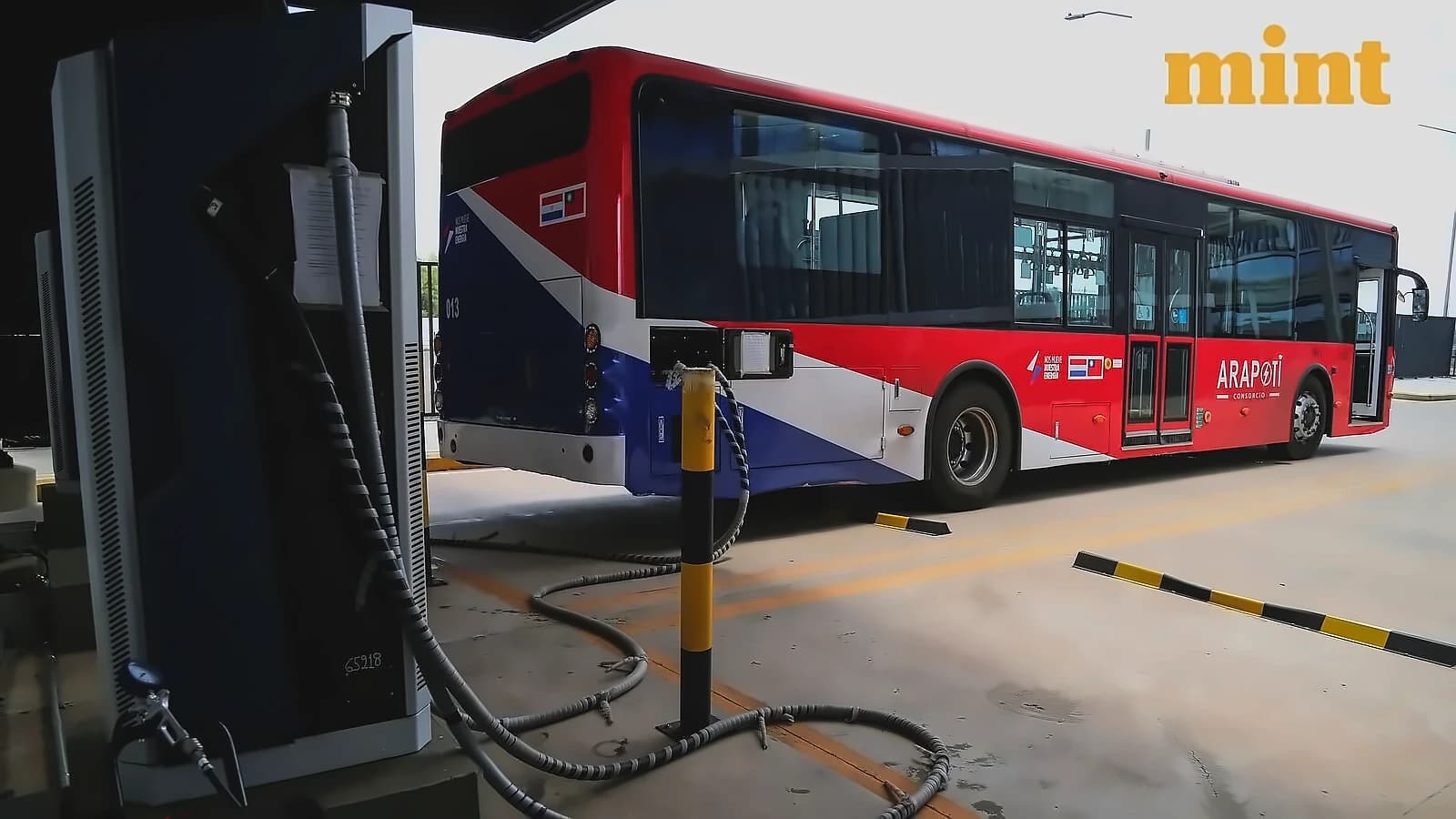
The bidding activity comes as JSW prepares to launch its first electric bus within a year and simultaneously gears up for the debut of its electric and hybrid passenger vehicles. As reported by Mint, JSW Greentech, the builder of the group's e-buses headed by CEO Sumit Mittal, secured a Type Approval Certificate for one of its upcoming models, indicating compliance with safety, technical, and performance standards. A senior industry executive noted that the company is setting up its plant and expects them to become more active and aggressive in upcoming tenders. According to Mint, the bids were made as JSW prepares to launch its first electric bus within a year and simultaneously gears up for the debut of its electric and hybrid passenger vehicles.
Once successful, JSW would become the fourth conglomerate to have presence in India's bus segment after Tata, Mahindra and the Hinduja Group. According to Mint, the e-bus tender from Convergence Energy Services Ltd (CESL) called for bids from bus operators, with winning operators acquiring buses from manufacturers and running services for which states pay on a fixed running cost basis for 10 years under a gross cost contract model. A JSW Greentech spokesperson emphasized that success in the GCC model spanning 10-12 years depends not merely on lowest price but ability to deliver and operate buses. The entry of a major conglomerate in India's e-bus ecosystem will only make the sector more competitive, according to Shyamasis Das, a research fellow at New Delhi-based think tank Center for Social and Economic Progress.
For billionaire Sajjan Jindal, the automobile sector represents the newest business venture after JSW started in steel and expanded into infrastructure, energy and ports over the past four decades. As reported by Mint, the JSW Group has infused ₹3,000 crore into its automobile business and tripled its borrowing limit to ₹15,000 crore. The latest e-bus tender concluded on 13 May, with new-age companies Eka Mobility and PMI Electro Mobility emerging as largest winners, securing over two-thirds of the country's third-largest tender for 6,230 electric buses. The increasing competition indicates that the market is maturing towards electric buses as the future of public mobility, according to industry experts.