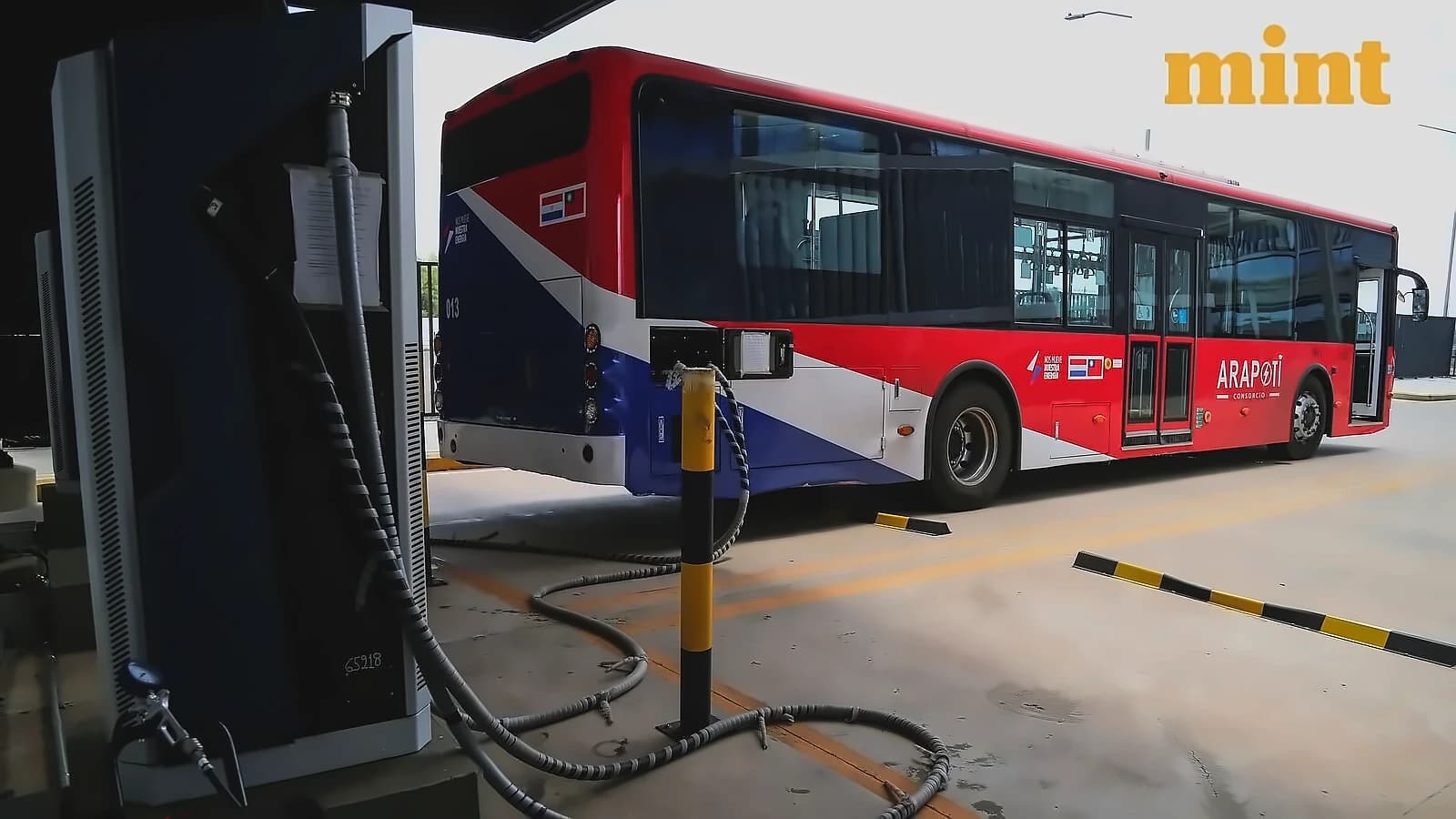
The JSW Group is developing its own electric bus platform, vehicle control unit and battery packs through its Pune research and development centre and JSW Energy, as reported by Mint. This strategic move aims to own key technologies and submit more competitive bids for government contracts that form the crux of the business in India. The technologies will underpin buses to be built at the group's upcoming 90-acre manufacturing facility in Chhatrapati Sambhaji Nagar, Maharashtra, with industry experts expecting operations to begin within a year. According to a company spokesperson, the technologies are being developed through the group's Pune research and development centre and JSW Energy, with no committed date for operations start but industry experts seeing it taking off within a year.
This in-house technology push represents a departure from JSW's passenger vehicle business strategy, which has relied on partnerships through JSW MG Motor India and a purported partnership with Chery for sourcing products, according to Mint reports. The electric bus subsidiary, JSW Greentech, is led by chief executive Sumit Mittal, former chief operating officer at Greencell Mobility, an electric bus operator. The company has already ventured into the market with aggressive bids in government tenders, including participation in the Centre's latest electric bus tender for 6,230 units. As reported by Mint, the bid to own key technologies of the bus business comes at a time when the electric bus sector is seeing intense competition for tenders, with new age rivals including Eka Mobility and PMI Electro Mobility winning a lion's share of contracts over legacy players such as Tata Motors, Ashok Leyland and Volvo Eicher.
The conglomerate's energy business has developed in-house designs for lithium ion battery packs using advanced lithium-ion and lithium iron phosphate chemistries, as reported by Mint. According to JSW Energy's latest annual report, except for lithium-ion cells, the battery packs are engineered, developed and manufactured domestically, supporting the government's Aatmanirbhar Bharat vision. The company emphasizes that this approach delivers enhanced energy density, faster charging capability and improved operational efficiency for electric buses. As per JSW Energy, they have developed battery pack configurations for electric buses and commercial mobility platforms that deliver enhanced energy density, faster charging capability and improved operational efficiency. The strategy leverages advanced lithium-ion (Li-Ion) and lithium iron phosphate (LiFePO4) chemistries to power electric buses and commercial mobility platforms.
The electric bus sector is experiencing intense competition for tenders, with new age rivals including Eka Mobility and PMI Electro Mobility winning a lion's share of contracts over legacy players such as Tata Motors, Ashok Leyland and Volvo Eicher, according to Mint. Industry experts note that developing technology in-house is crucial as electric bus makers make money on competitive pricing for bus operators. As tender prices become more aggressive, companies with proprietary platforms and software stacks are likely to have structural advantages in cost, efficiency and speed of innovation. According to Harshvardhan Sharma, group head – automotive tech & innovation at NRI Consulting & Solutions India, "In electric buses, a significant proportion of lifecycle cost and performance is determined by the battery, power electronics, software, energy management system, and vehicle controls." He added that as tender prices become more aggressive and profitability comes under pressure, companies with proprietary platforms and software stacks are likely to have a structural advantage in cost, efficiency, and speed of innovation.
The group has infused ₹3,000 crore into its automobile business and tripled its borrowing limit to ₹15,000 crore, as reported by Mint. Despite bidding aggressively in government tenders, JSW could not win any contracts in the latest round, though it managed to undercut legacy players such as Tata Motors, Olectra Greentech, JBM and Ashok Leyland in some cities. The automobile sector marks Sajjan Jindal's newest bet after JSW started its journey in steel and expanded into infrastructure, energy and ports over the past four decades. The electric bus subsidiary, JSW Greentech, is a subsidiary of JSW Green Mobility, which is the promoter Sajjan Jindal-backed entity for building the conglomerate's automobile business, while JSW Motors is another subsidiary responsible for the conglomerate's passenger vehicle business.