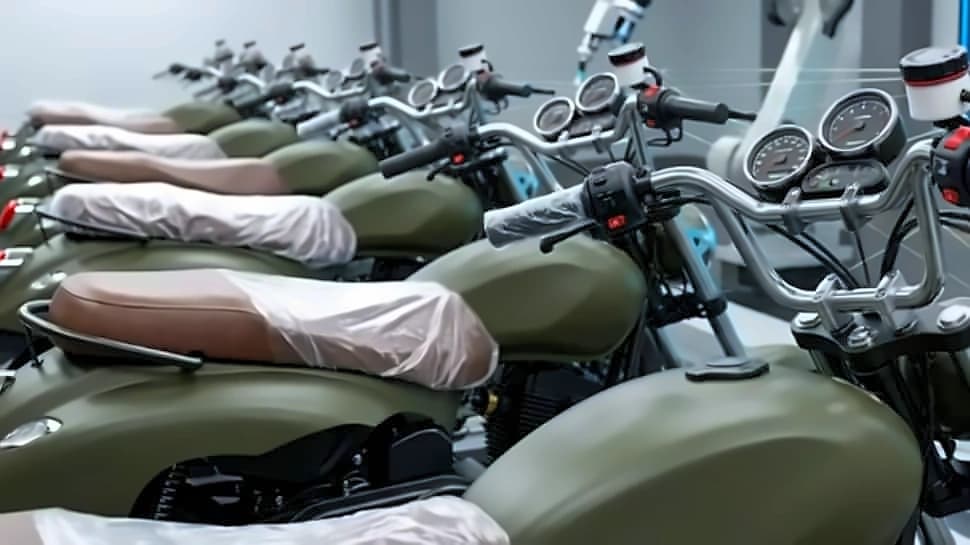
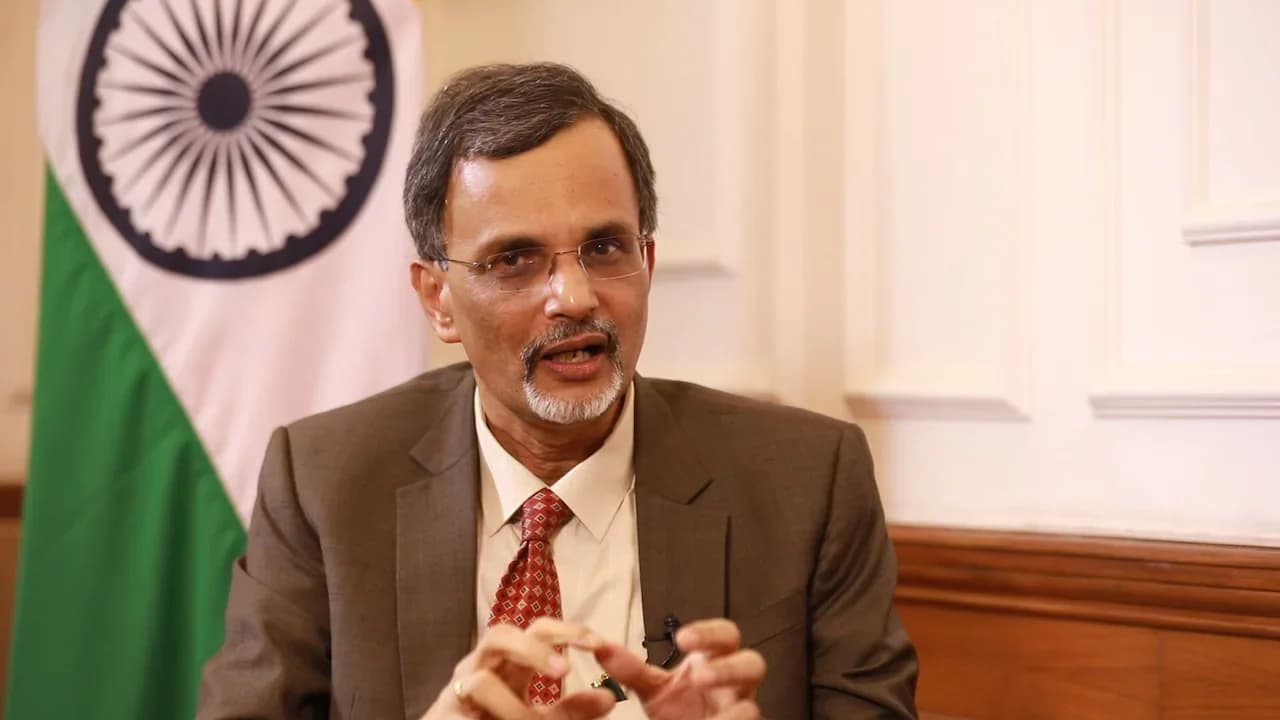
India's two-wheeler industry is expected to witness wholesale volume growth of up to 5 per cent year-on-year in FY2027, supported by GST rationalisation and improving replacement demand, according to a report released by ICRA. The growth momentum is being driven by GST 2.0 reforms that have improved affordability and enhanced market accessibility for consumers. However, this positive outlook comes amid broader economic challenges, with CEA V. Anantha Nageswaran describing the current situation as a 'live balance of payments stress test' that is testing India's ability to manage imports, currency stability, and foreign exchange flows. As per CEA Nageswaran, this challenge is not temporary but structural, with India facing a 'prolonged period of uncertainty affecting trade, capital flows, and energy security'.
Domestic two-wheeler wholesale volumes recorded a sharp increase of 29.2 per cent year-on-year in April 2026 to reach 1.9 million units, as reported by ICRA. Retail demand also remained healthy during the month, with volumes rising 13 per cent year-on-year, supported by lower-than-expected price hikes, sustained rural cash flows due to strong agricultural output and the extended wedding season till mid-May. The strong performance comes despite broader economic headwinds affecting the overall automotive sector.
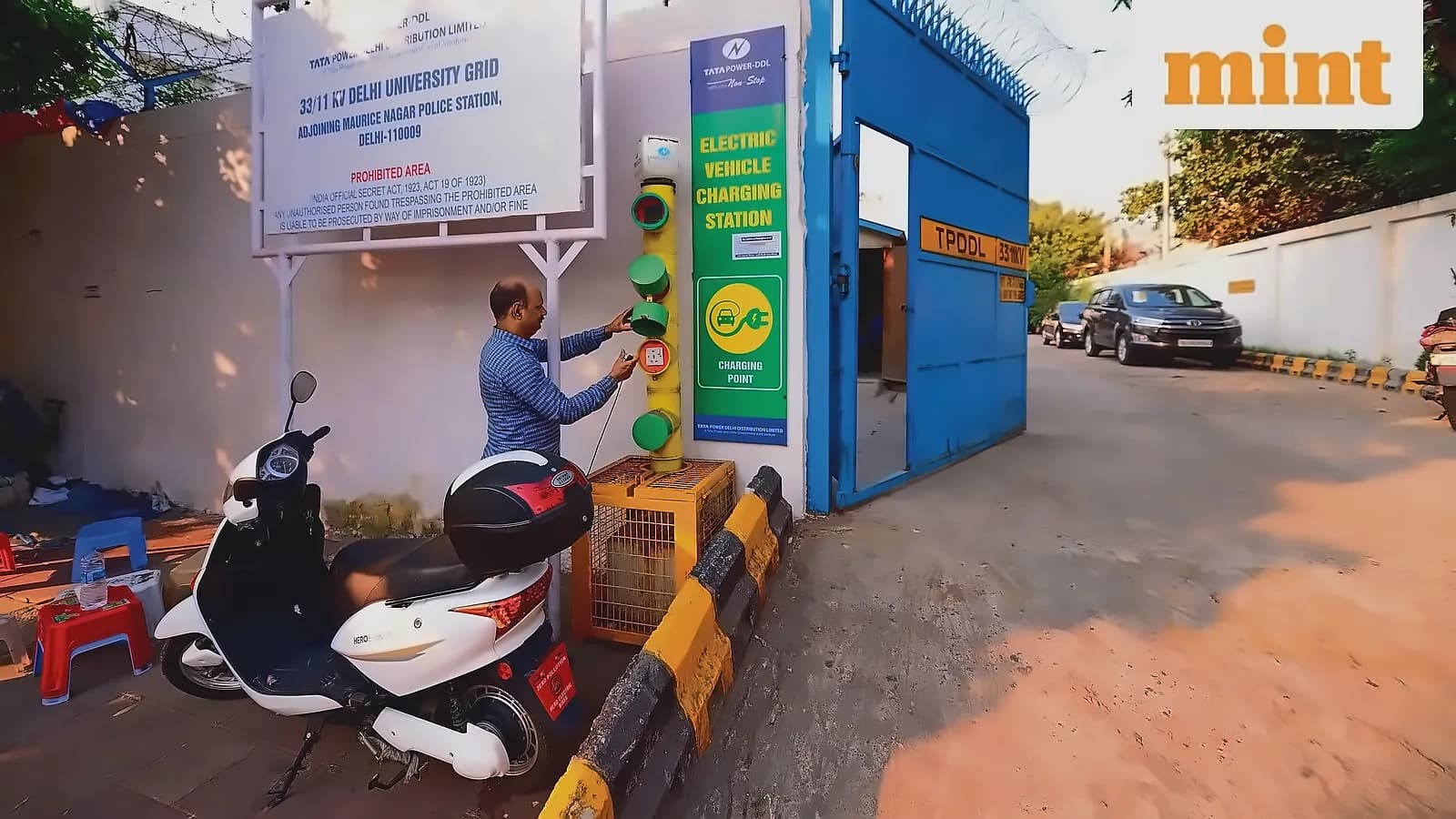
The electric two-wheeler segment continued to gain significant momentum, with retail sales reaching 1,54,337 units in April 2026, representing a strong 68.1 per cent year-on-year growth. For FY2026, e2W volumes expanded by about 22 per cent, while penetration within the overall two-wheeler market reached 8.1 per cent in April 2026. The segment's steady growth reflects increasing consumer acceptance, aided by expanding product availability and improving cost competitiveness.
Exports remained a key growth driver for the industry, with monthly export volumes increasing 38.3 per cent year-on-year in April despite headwinds in certain overseas markets. For FY2026, overall two-wheeler exports grew 23.3 per cent, supported by expanding product portfolios and rising global recognition of Indian two-wheeler brands. However, the report flagged that geopolitical uncertainties, especially ongoing tensions in West Asia, could continue to pose risks to supply chains and export performance. These challenges are particularly significant given India's heavy dependence on Middle Eastern markets for both oil and gas requirements.
Despite positive two-wheeler sector prospects, India faces significant external sector challenges that could impact broader economic growth. CEA Nageswaran has identified four major global shifts reshaping the world economy: geopolitical fragmentation, technology bifurcation, energy transition policies, and rising geopolitical risks. India's current account deficit is expected to widen significantly to 2.5% of GDP in FY27 compared to 0.9% the previous year, while net capital inflows have fallen dramatically to 1.4% of GDP in 2024 and nearly vanished in 2025. The overall BoP deficit may widen to between $65 billion and $70 billion, marking the third straight year of deficits. India's heavy dependence on imported energy makes the situation especially serious, as the country imports nearly 90% of its crude oil and around half of its gas requirements. According to JPMorgan, India's capital inflows have slowed dramatically, with net capital inflows averaging 2.6% of GDP between 2015 and 2019, but falling to 1.4% in 2024 and nearly vanishing in 2025. The pressure is visible in trade data, with India's merchandise trade deficit widening to $28.38 billion in April as crude oil imports hit a six-month high, while foreign investors have pulled out more than $20 billion from Indian equities since tensions linked to Iran escalated.