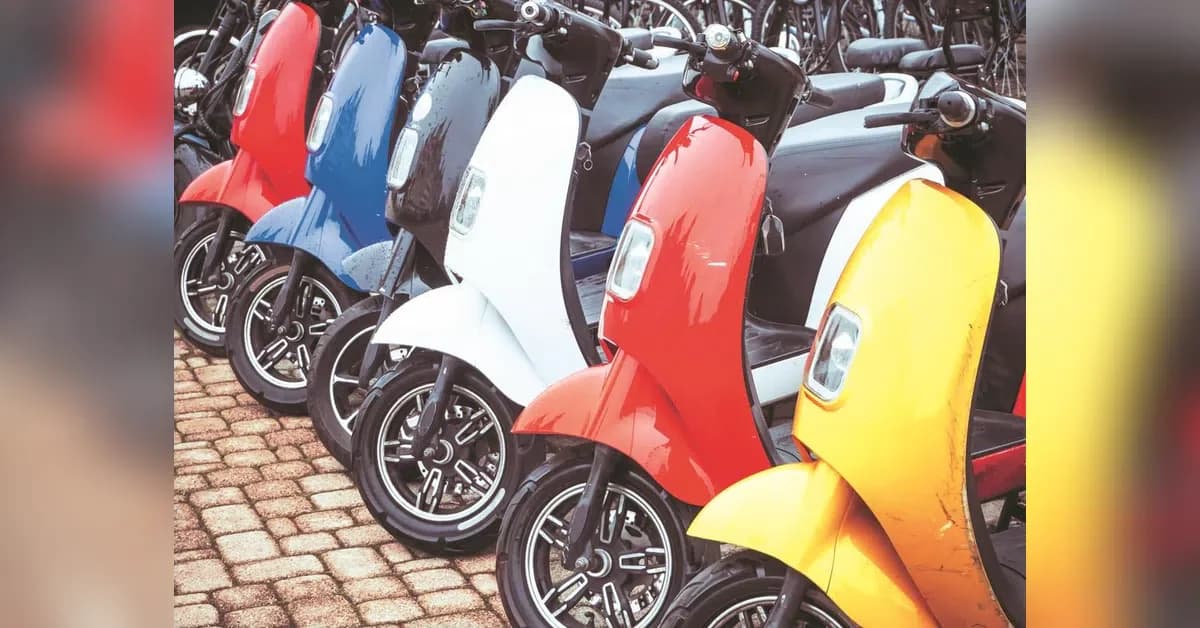
The Indian two-wheeler industry is projected to achieve moderate wholesale volume growth of 3-5% in FY27, according to ratings agency ICRA. As reported by Business Standard, this growth is expected to be supported by improved affordability arising from GST rationalisation and replacement demand. However, the sector faces potential challenges from a high base effect, a potentially weak monsoon due to El Nino, and inflation-led vehicle price increases. Despite supportive domestic demand drivers, geopolitical tensions in West Asia remain a key monitorable, as any escalation could disrupt supply chains and impact industry cost structures. The country's two-wheeler industry continues to demonstrate resilience, supported by improving domestic demand, healthy retail momentum, and sustained export growth, as per ICRA's latest sector update.
Domestic wholesale volumes recorded a robust 15.7% year-on-year growth in May 2026, touching 19 lakh units, driven by stronger consumer demand following GST 2.0 reforms and early purchases ahead of anticipated vehicle price hikes by manufacturers. According to ICRA's latest sector update, retail volumes also remained healthy, growing 7.5% year-on-year during the month. The growth was supported by improved affordability, seasonal purchases during the marriage season, and a wider product mix across entry-level and aspirational categories. Retail demand continued to benefit from these favorable conditions, though extreme heat conditions affecting showroom footfalls and intermittent supply constraints in select models moderated the pace of growth.
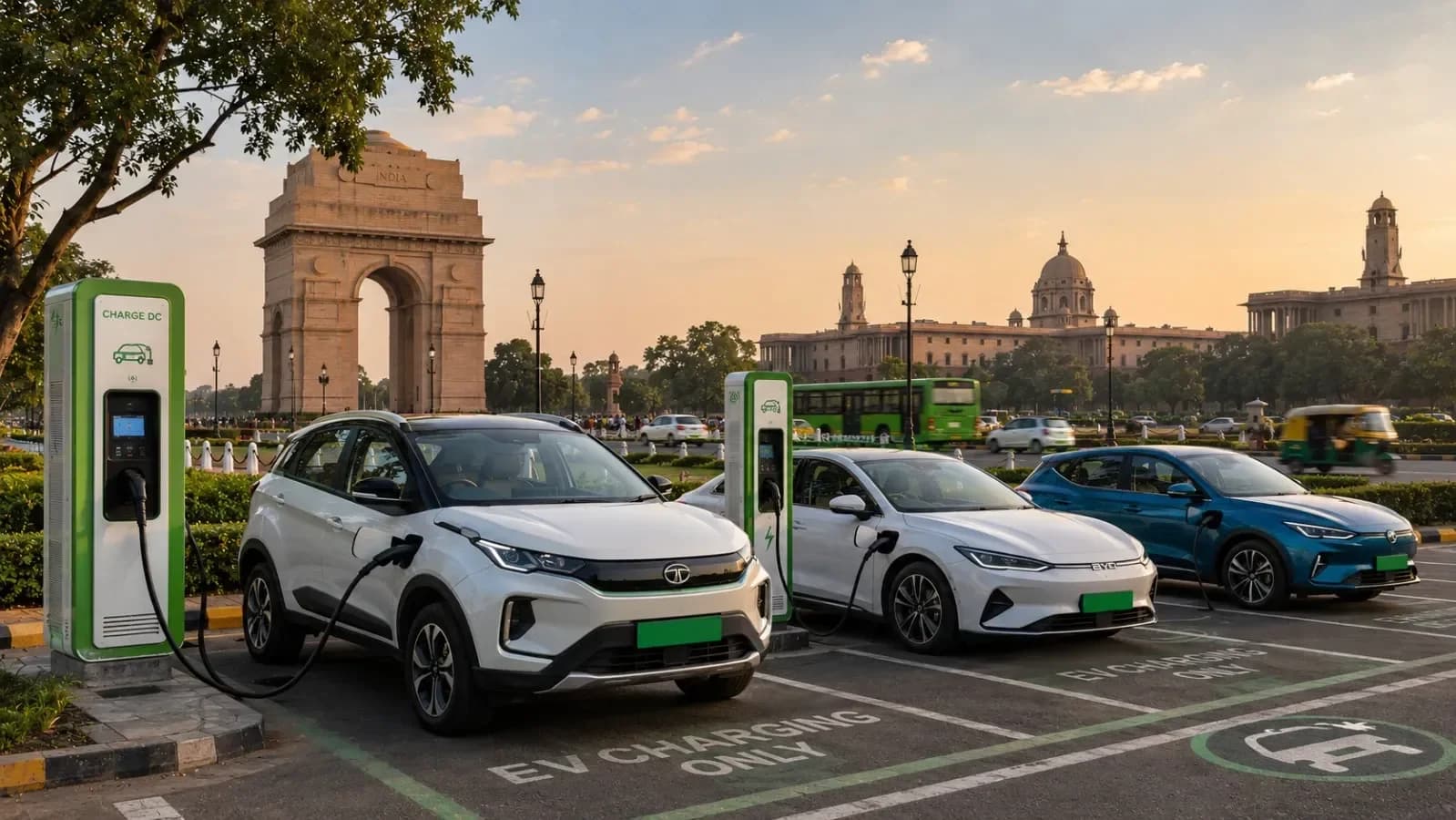
The electric mobility segment gained significant traction with retail electric two-wheeler sales standing at 1,72,148 units in May 2026, marking a sharp 71.7% year-on-year increase. As reported by ICRA, electric two-wheelers now account for 8.9% penetration within the broader two-wheeler segment, reflecting growing consumer acceptance and improving ecosystem support. This surge in electric vehicle adoption demonstrates the sector's transition toward sustainable mobility solutions, with the segment gaining further traction and showing strong momentum in the latest data. The electric mobility segment continues to gain further traction, indicating growing consumer adoption and ecosystem support across the industry.
In a significant development for the electric vehicle sector, VinFast Auto India has entered into a strategic partnership with Tata Capital to deliver comprehensive retail and inventory financing solutions for its expanding domestic dealership network. The agreement establishes a structured credit ecosystem designed specifically for the brand's exclusive retail partners, with authorized retail partners gaining direct access to specialized credit facilities. This alliance aims to accelerate operational capability and support corporate expansion within the rapidly developing domestic electric vehicle market. The financing package is engineered to optimize liquidity management, streamline vehicle inventory cycles, and facilitate physical facility infrastructure expansion across urban centers, providing tailored asset lines that catalyze business scale and operational throughput.
Despite supportive domestic demand drivers, factors such as extreme heat conditions affecting showroom footfalls and intermittent supply constraints in select models moderated the pace of growth. According to ICRA's analysis, the sector continues to demonstrate resilience supported by improving domestic demand, healthy retail momentum, and sustained export growth. The industry's ability to maintain growth despite these operational challenges reflects the underlying strength of the two-wheeler market and the sustained consumer interest in the segment. The sector could face challenges from a high base effect, a potentially weak monsoon due to El Nino, and inflation-led vehicle price increases, as highlighted by ICRA in its latest sector update.