New evidence suggests that electric two-wheelers are already cheaper than petrol alternatives based on total cost of ownership (TCO). According to ICCT estimates, an electric scooter costs ₹2.7/km while a petrol scooter costs ₹4.5/km, with electric motorcycles offering ₹2.8/km versus ₹3.8/km for petrol models. Overall, electric two-wheelers provide 26-39% cost savings for consumers. High petrol prices make the economics particularly compelling, as fuel and maintenance savings for high-utilization drivers outweigh higher purchase costs over time. In the three-wheeler segment, electric vehicles have already achieved TCO parity with CNG models, with electric three-wheelers now accounting for the majority of new three-wheeler sales in India.
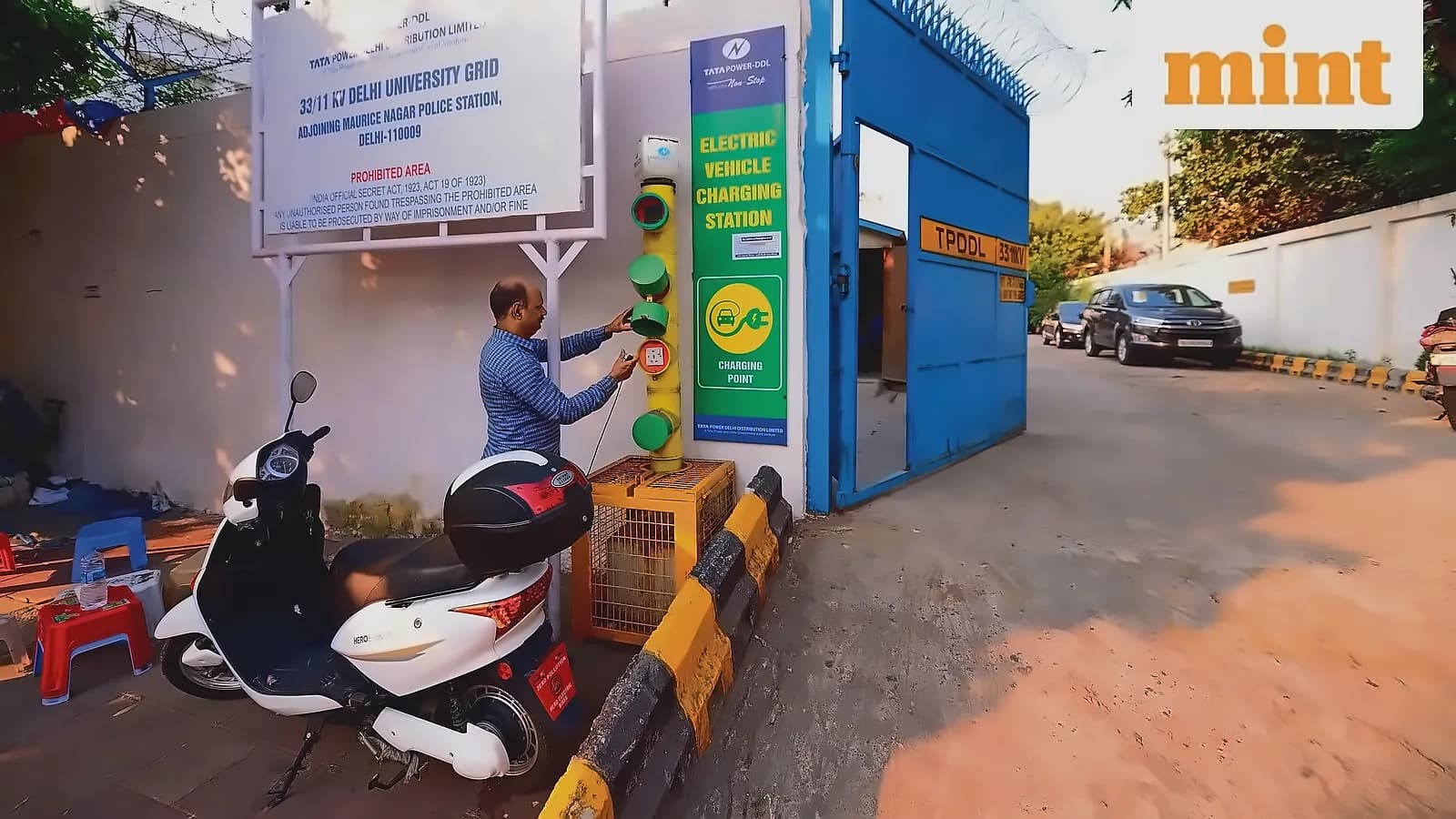
The heavy industries ministry is planning to seek additional funds to subsidize electric two-wheelers under the flagship PM E-Drive scheme, as the current ₹10,900 crore scheme draws to a close. According to reports from Mint, the scheme had originally allocated ₹1,772 crore to subsidize electric two-wheelers till the end of fiscal year 2026 (FY26), but was extended till the end of July following demands from the auto industry when sales fell short of targets. The Centre is considering fresh subsidies for electric two-wheelers as the PM E-Drive scheme nears exhaustion, amid rising focus on cutting oil imports and boosting clean mobility. Officials said the heavy industries ministry may seek additional funds to extend support beyond July, though the final allocation is yet to be decided.
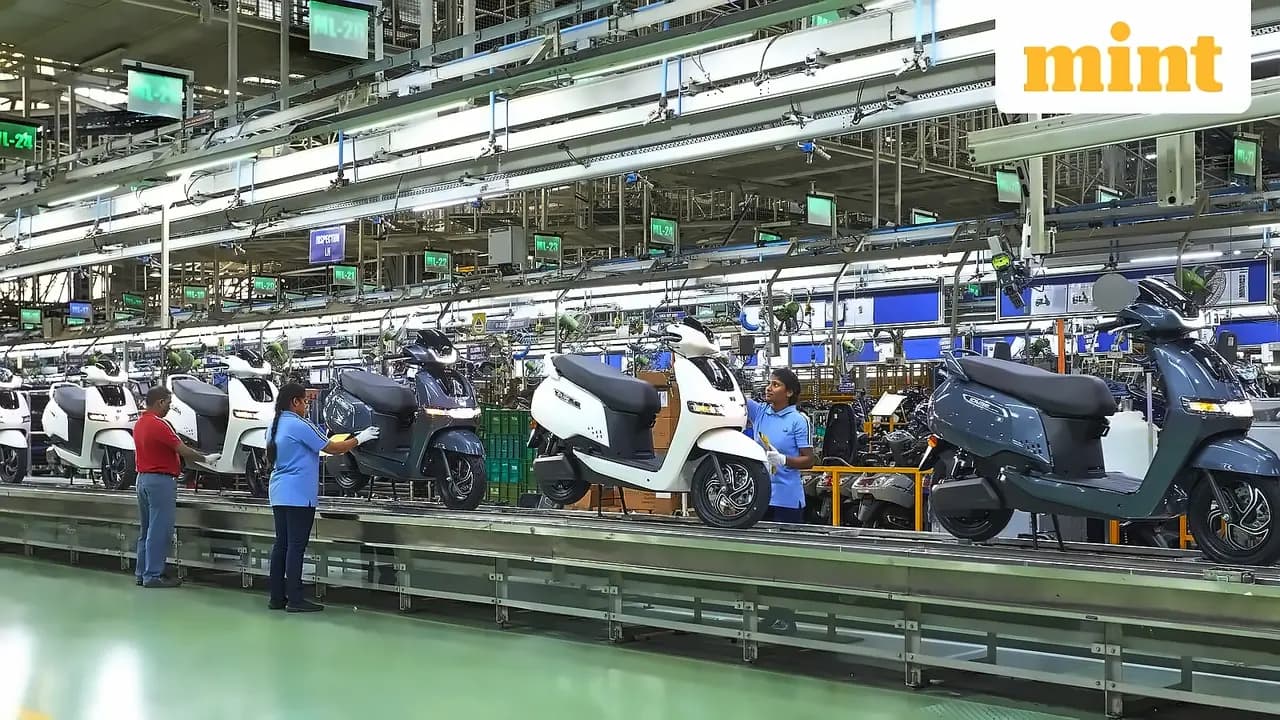
The electric two-wheeler market is experiencing remarkable growth, with electric models accounting for 6.2% of new two-wheeler sales in FY25, as reported by ETAuto. Scooters, which make up around 36% of the market, have led this transition, showing that electrification is gaining ground in one of the country's most price-sensitive vehicle segments. In Delhi specifically, 5,021 electric autorickshaws were sold in FY26, representing 45% of all three-wheeler sales. Technology improvements are reinforcing this momentum, with the TVS iQube showing dramatic improvements - battery capacity has increased dramatically and driving range has improved nearly threefold within a few years. With battery capacities of leading electric scooters now in the 2-3.6 kWh range and typical ranges of 100-150 km, the market is steadily resolving concerns around cost and usability.
The government had aimed to subsidize 2.47 million electric two-wheelers when the PM E-Drive scheme was launched in 2024. As of 24 May this year, 2.35 million vehicles were subsidized, according to the scheme's dashboard. The scheme offered subsidies at ₹5,000 per kilowatt-hour of battery capacity in the first year, and ₹2,500 in the second year. Industry experts say subsidies remain crucial because electric scooters still cost more upfront than petrol models, despite lower running costs. National-level subsidies under the PM E-Drive scheme and proposed subsidies under the draft Delhi EV policy further enhance the economic attractiveness of electric two-wheelers.
If the plan is executed, it would mean a change in budgeting, as the allocation for the PM E-Drive scheme in FY27 was only ₹1,500 crore, budget documents showed. This was largely expected to be used for subsidies on electric trucks, buses, and charging infrastructure, since subsidies for electric two-wheelers and L5 category three-wheelers had been exhausted. According to Mint, queries emailed to the ministries of heavy industries and finance, and to electric two-wheeler makers Hero MotoCorp, Bajaj Auto, TVS Motor, Ather Energy and Ola Electric remained unanswered. The transition is also beginning to extend beyond scooters, with electric motorcycles currently accounting for only about 1.7% of the electric two-wheeler market but showing signs of diversification across wider performance levels.