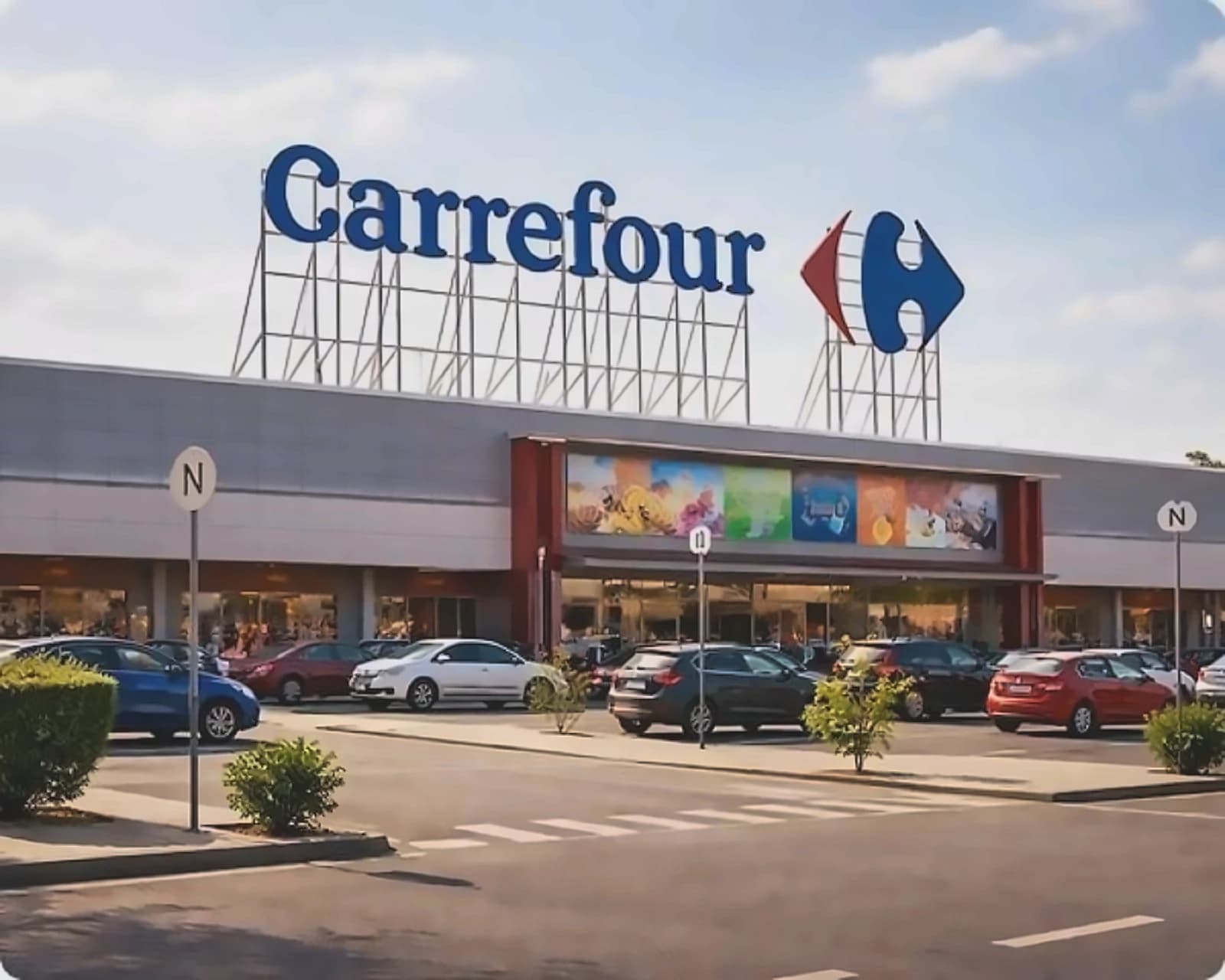
French retail giant Carrefour has re-entered India after exiting the country in 2014 due to restrictions on foreign direct investment in multi-brand retail and subsequent financial issues. According to reports from Moneycontrol, the chain previously operated five stores in India but was unable to break even. The company has now tied up with Apparel Group as its local partner for the re-entry strategy. As per PTI, this marks Carrefour's second inning in India, after it entered in 2010 through the wholesale cash-and-carry business-to-business segment and exited in 2014 by closing its five stores, citing poor performance and inability to find a local partner for expansion. Patrick Lasfargues, executive director for international partnerships, noted that what happened 12 years ago was different - they were operating only in the cash-and-carry business-to-business segment through direct investment, whereas today they have adopted a franchise-development model for international markets.
Carrefour has set an ambitious target to expand its presence to 50 stores across India within the next three to four years, as reported by Mint. The company's executive director for international partnerships, Patrick Lasfargues, emphasized that India is a booming market with a long-term strategic importance for international retailers. The multinational retailer has entered 50 new markets across Asia, Central Europe and Africa through franchisees while also returning to some previous markets with local partners. The strategy focuses on compact hypermarkets and supermarkets rather than large-format hypermarkets, with plans to combine physical stores with e-commerce and quick commerce operations. Nilesh Ved, chairman of APPCORP Holding and owner of Apparel Group, confirmed that the company is following a cluster-based approach for expansion, with different formats depending on market and location, ranging from compact hypermarkets to supermarkets, gourmet stores and express stores. The retailer has four formats globally that it could potentially deploy in India: hypermarkets, supermarkets, gourmet stores and express stores.
The first store, opened in Greater Noida in August, spans more than 50,000 square feet and carries over 15,000 SKUs. According to Business Standard, the store employs more than 180 people in addition to about 60 promoters. As per Mint, the initial sales have been stronger than expected, with Lasfargues noting that "We've been opening about 500 stores every year in the markets we are present in. These are good figures for the store's early days." The store, spread across 50,000 square feet and carrying about 50,000 stock-keeping units (SKUs), soft-opened on 14 August. The launch was delayed by roughly one year from the original timeline, as the partners built a local team and searched for a location that met Carrefour's requirements. "We needed the franchisee to set up the team locally to find the right location. It's not easy to find the location. And also to be in a mall, which is complete and operational," Lasfargues explained. The second Delhi-NCR store, a much smaller 1,000 square metres format, is scheduled to open in October.
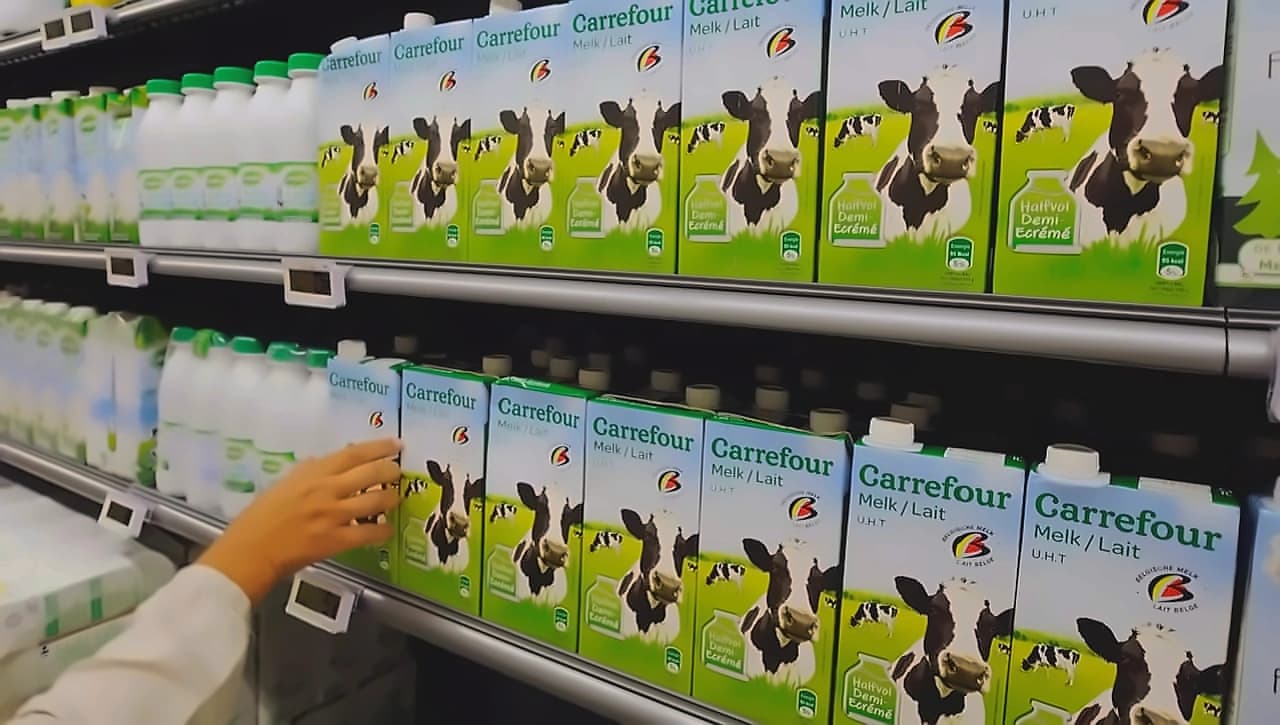
Carrefour plans to start developing local private labels across food and non-food within the next 9-18 months, once it reaches critical mass. As per ETRetail, Lasfargues noted that in France, private labels represent around 37% of turnover. The India opportunity extends beyond domestic consumption, with plans to export private-label products made in India to international markets. According to Mint, Lasfargues added that "Private labels are expected to be an important part of the store's proposition, as are non-food products. The company also wants Indian products developed for Carrefour to eventually find their way into the retailer's international network." The sourcing opportunity is central to the India strategy, with the venture planning to combine Carrefour's international capabilities with Apparel Group's local market knowledge, supplier ecosystem and real estate expertise.
Carrefour has adopted a measured approach to quick commerce, recognizing the changing retail landscape in India. As per Mint, the company wants consumers to experience the store first, then potentially expand into quick commerce as more stores come online. "We want customers to come to the store themselves to look at the assortment, like made-in-India products, discounts and so on," Lasfargues explained. The partners are expected to discuss an e-commerce and quick-commerce strategy as the store network develops, with a preference for using existing stores as fulfilment points rather than immediately building a network of dark stores. "We don't want to open quick commerce from day one. We will first test the model," Lasfargues added. This represents a significant change from Carrefour's earlier cash-and-carry formats, as the company had considered re-entering the wholesale market but decided against it, as the model did not fit the way kirana stores operate. The retail market landscape has changed tremendously since Carrefour's first venture, with e-commerce and quick commerce reshaping grocery shopping, though the company believes physical stores still have a role to play.