Japanese apparel giant Uniqlo has unveiled an ambitious plan to expand its Indian operations from 20 current stores to more than 100 stores by 2031, representing a dramatic acceleration in its India strategy. As reported by The Economic Times, Commerce and Industry Minister Piyush Goyal met with Uniqlo founder and CEO Tadashi Yanai in Tokyo, where discussions focused on expanding cooperation in retail and manufacturing. The expansion strategy comes as Uniqlo has demonstrated strong financial performance in India, with the company reporting ₹1,175.5 crore revenue in FY25, up 44.2%, while PAT more than doubled to approximately ₹178.4 crore, giving the business a PAT margin of around 15%. The retailer has grown at a nearly 60% CAGR since entering India in 2019 and turned profitable within three years of starting operations.
The partnership represents a significant opportunity for Indian manufacturers to access Uniqlo's global supply chain, with the company currently sourcing approximately 15-20% of merchandise sold in India locally and targeting to increase that share to around 30%. As reported by The Economic Times, Indian textile firms must meet Japanese quality, design, and sizing standards to participate in this expanded sourcing arrangement. The discussions highlighted significant opportunities for Indian textile manufacturers to supply global operations, with Goyal pointing to one company with 3,500-4,000 stores and annual turnover of about $25 billion, or 4 trillion yen. According to latest reports, Uniqlo plans to increase sourcing from India for both domestic and global stores, creating opportunities for Indian manufacturers to cater to Uniqlo's international operations. The partnership reflects Uniqlo's strategy to diversify its sourcing base and strengthen its global supply chain resilience, with the opportunity extending to supplying the global store networks of Japanese retailers.
The third element of the Goyal–Yanai conversation centered on sustainable business practices, with Fast Retailing increasing environmental and traceability requirements across its production network. As reported by The Economic Times, Indian suppliers will increasingly have to combine competitive manufacturing with higher environmental and social standards. The latest discussions revealed that Indian textile companies are increasingly adapting to Japanese requirements, although the market demands higher quality, specialised products and closer attention to design specifications. Indian manufacturers also need to adjust to Japanese sizing, styles and consumer preferences to compete more effectively, as noted by Minister Goyal. For the Indian textile industry, this creates both an opportunity and a challenge, with suppliers that can offer scale, quality, speed, technology, traceability and sustainability being best positioned to participate in the next phase of global sourcing. According to Rediff Money, earlier Indian textile firms were not able to crack Japanese requirements as they were used to making for Europe, but now they are showing interest in understanding the Japanese requirements.
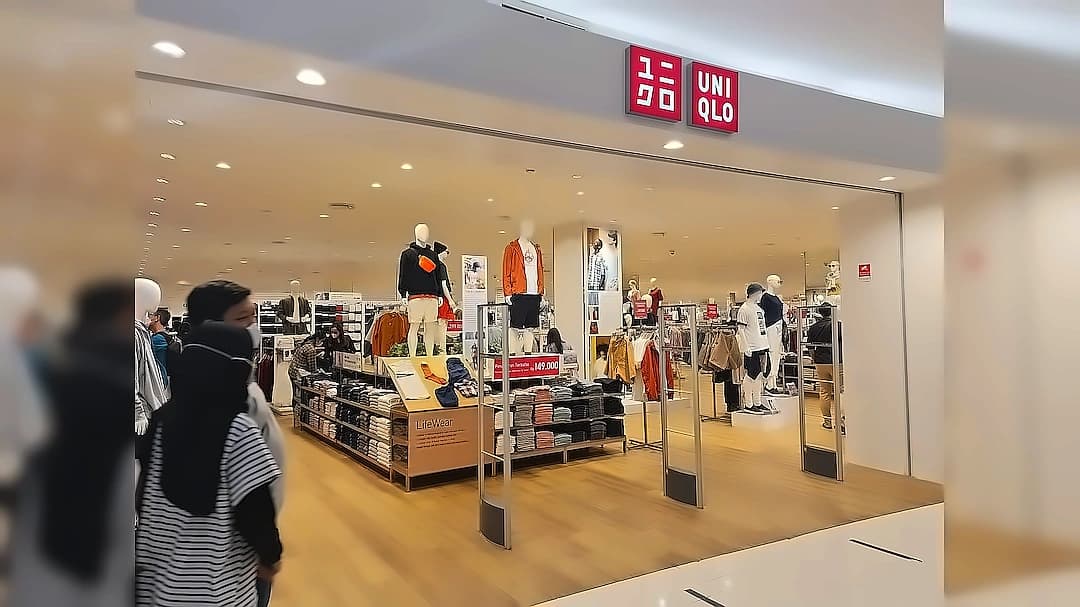
The Japanese retailer has demonstrated strong performance in the Indian market, with Uniqlo opening its first Indian store in October 2019 at Ambience Mall, Vasant Kunj, New Delhi, occupying approximately 35,000 sq ft across three levels. According to reports, the company's Phoenix Palladium store in Lower Parel is the largest UNIQLO store in Mumbai and Western India, while the Phoenix Marketcity store in Bengaluru is its largest in Bengaluru and Southern India. The retailer's proposition is built around LifeWear — everyday clothing combining quality, comfort, functionality and longevity, with products such as AIRism, HEATTECH, UV-protection apparel and linen particularly relevant to India's varied climate. Online sales contribute around 15% of UNIQLO India's topline, with e-commerce growth being broadly comparable with the company's overall growth, allowing the brand to reach consumers beyond its physical store footprint. As of July 31, 2026, Uniqlo currently operates a network of over 20 outlets in India, with the company having become profitable in FY22 within three years of operations.
Goyal's comments come amid efforts to expand bilateral trade and investment between India and Japan, with the minister indicating that the India-Japan Comprehensive Economic Partnership Agreement (CEPA), signed 15 years ago, needs to be made more contemporary and its scope expanded. The minister has also indicated that several Japanese companies are keen to increase their presence in India, while the government is working to address investment and business-related concerns. A stronger textile partnership, Goyal suggested, could therefore support India's ambition to become a larger manufacturing and sourcing hub while giving Japanese companies greater access to Indian production capabilities. The move from 20 stores today to more than 100 by 2031 creates a cycle of retail growth → greater local production → stronger supplier capabilities → more exports → greater global sourcing from India, potentially proving more significant for India's apparel industry than the number of UNIQLO stores themselves. According to Rediff Money, Goyal expressed confidence that meetings with some of the largest importers and marketing companies of textiles will lead to a larger presence in India both as investment to expand their business in India and to source from India for Japan. Goyal noted that 15% of Japan's ¥10 trillion investment target for India has already come in the last 10 months, with the pace suggesting the full target could be achieved in 3-4 years instead of 10 years.