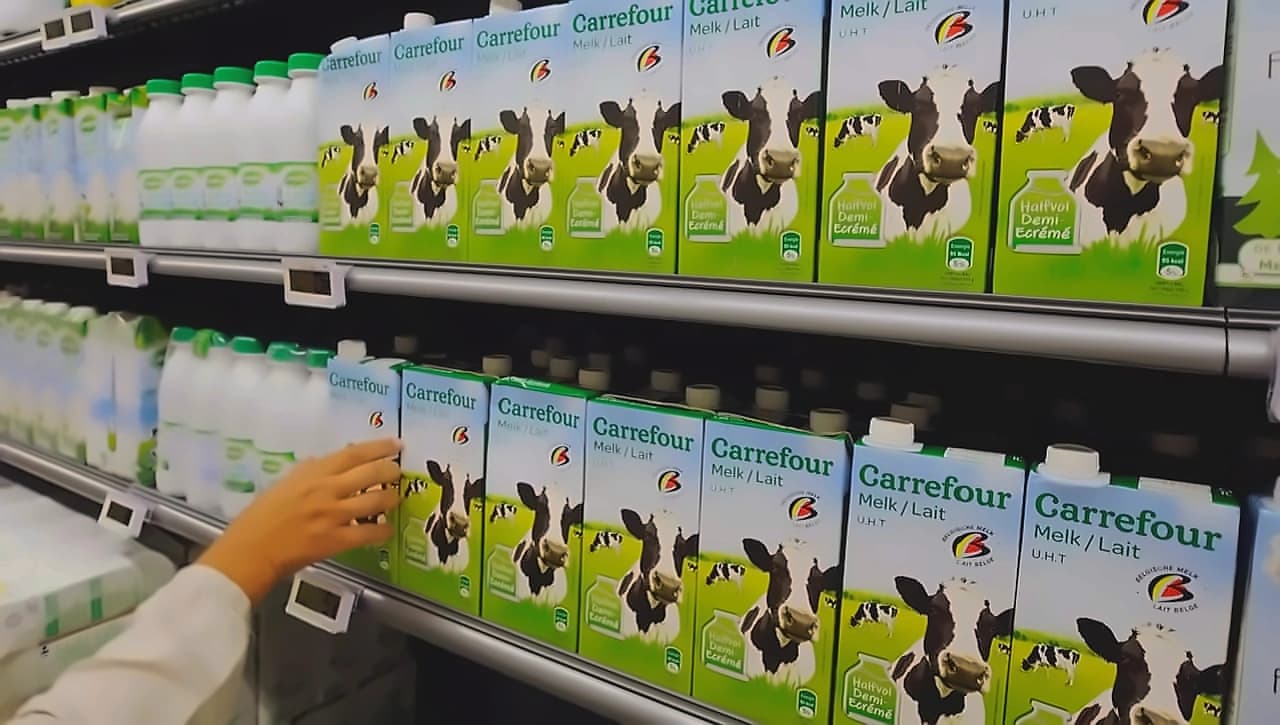
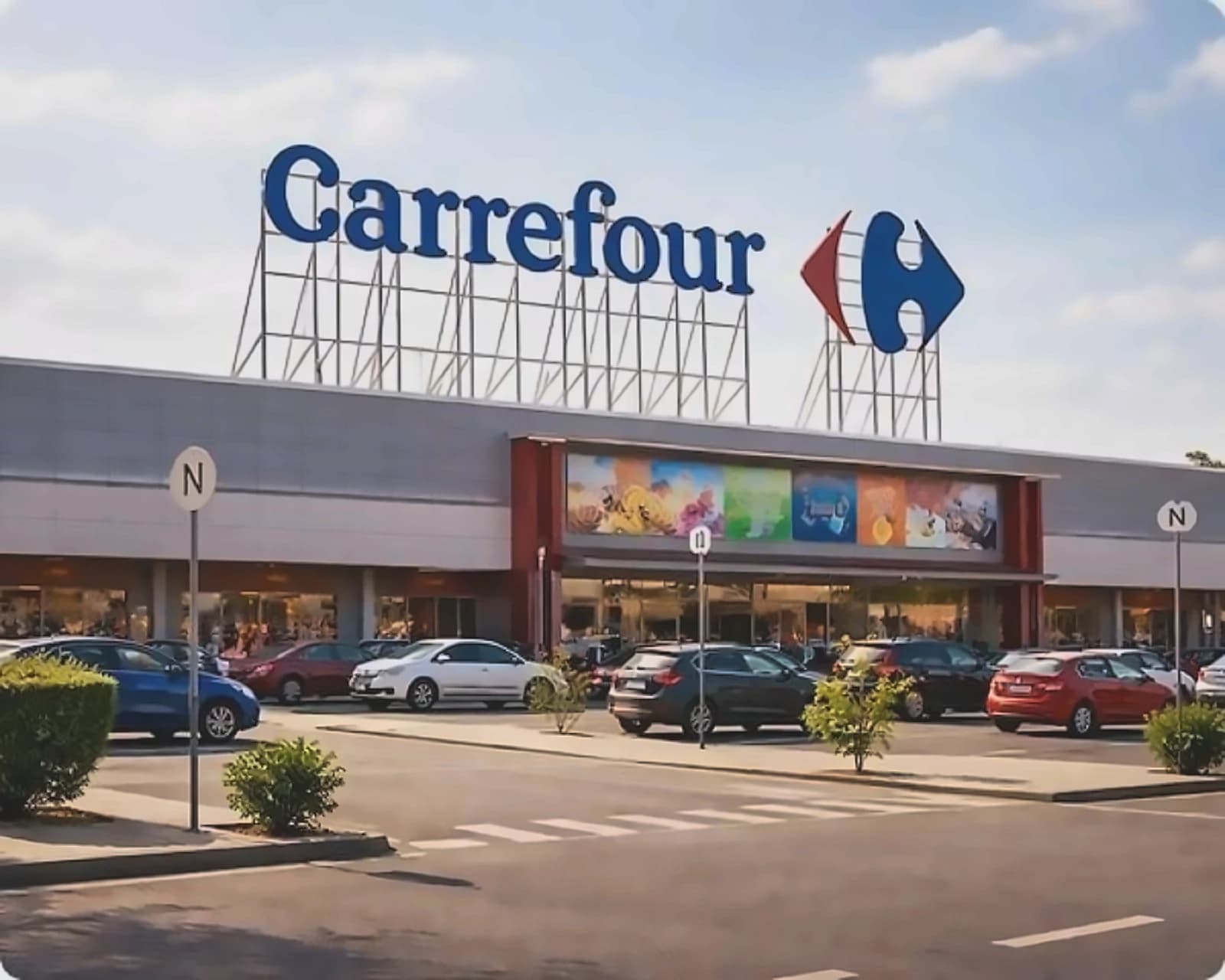
After 12 years of absence, Carrefour has re-entered the Indian market through a franchise partnership with Dubai-based retailer Apparel Group. According to reports from Business Standard, the French retail major opened its first store in India at a mall in Greater Noida, located near New Delhi. This marks a significant milestone as the company had previously operated in India for over a decade before exiting due to various challenges including local trader protests and regulatory issues. The company had opened its first wholesale or cash-and-carry outlet in India in 2010 in New Delhi, aspiring to get into the multi-brand retail trading category, but without a local partner and amid lack of clarity on retail policy, it exited India in 2014, a couple of months after the Narendra Modi-led government was sworn in.
Despite the FDI policy for multi-brand retail being cleared in September 2012 under the previous government, no foreign multi-brand retail chain currently operates in India. As reported by Business Standard, companies like Carrefour and Walmart initially invested in wholesale or cash-and-carry trade instead of multi-brand retail due to simpler business rules. The multi-brand retail FDI policy permitted up to 51% foreign investment with specific conditions on local sourcing, back-end infrastructure investment, and store locations. In the absence of dedicated franchise legislation, such ventures are governed by multiple regulations, ranging from limited liability partnership rules to the Foreign Exchange Management Act.
While Carrefour pursued a franchise model, Walmart took a different approach by acquiring a 77% stake in Flipkart in a $16 billion deal in 2018, marking the largest e-commerce transaction globally. According to Business Standard, Walmart's cash-and-carry business subsequently came under the Flipkart fold, with Metro also exiting the Indian market by selling its operations to Reliance Retail in 2023. This marked the end of the foreign majors' wholesale operations in India as a stepping stone for multi-brand retail entry.
In July 2026, the Union government eased foreign investment rules in e-commerce, allowing companies to buy products directly from Indian sellers and sell them to overseas customers. As reported by Business Standard, this relaxation in the strictly controlled online marketplace business has sent signals of reform, raising questions about whether more changes are coming to blur the lines among various retail business formats. The policy changes come amid ongoing debates about protecting the traders' community and millions of jobs through blocking foreign retail majors. For the French retail major, which had opened its first supermarket in Annecy (France) way back in 1960, it must have taken courage to enter the India market after a gap of more than a decade and having faced many setbacks, including protests by local traders and regulatory flip flops.