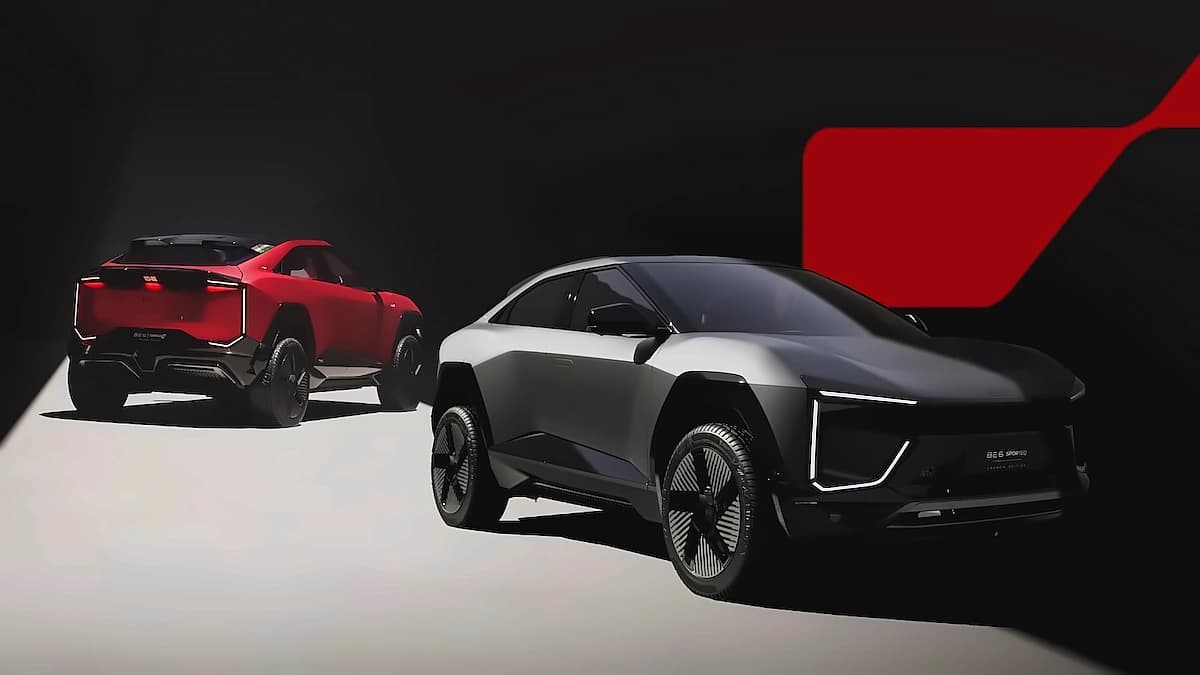
India's automobile industry is positioning for sustained growth with leading automakers planning combined capital expenditure of approximately ₹40,000 crore this fiscal year to expand production and launch new vehicles. As reported by The Bean Media, this massive investment commitment comes as the industry capitalizes on strong domestic demand driven by rising incomes, lower interest rates and a young consumer base. Maruti Suzuki alone has earmarked ₹14,000 crore to add capacity for 500,000 cars annually, while Hyundai Motor India will invest ₹7,500 crore to introduce two new SUVs and ramp up production at its Talegaon plant. Hero MotoCorp plans ₹1,500 crore to expand petrol and electric scooter capacity, demonstrating the comprehensive nature of the industry's expansion strategy across all segments.
India's automobile industry opened FY27 on a robust note in April, with total automobile production rising 26% year-on-year to 2.92 million units across passenger vehicles, three-wheelers, two-wheelers and quadricycles, according to the Society of Indian Automobile Manufacturers (Siam). Domestic dispatches increased 27.9% to 2.31 million units, while exports grew an even stronger 38% to 628,128 units during the month. As reported by Business Standard, this strong performance signals continued momentum from the second half of FY2025-26, with high double-digit growth recorded across PVs, three-wheelers and two-wheelers.
According to Siam data, PV dispatches rose 25.4% to a record 437,312 units in April, with the segment showing production growth of 12.8% Y-o-Y while domestic dispatches increased 24.6%. This gap between production and dispatch growth indicates inventory normalisation and improving production planning after a slower FY26 base. Among major automakers, Maruti Suzuki's domestic PV sales rose to 187,704 units from 138,704 units a year earlier, while Mahindra & Mahindra's PV dispatches increased to 56,331 units from 52,330 units. Toyota Kirloskar Motor's domestic sales rose to 30,156 units from 24,789 units.
The April data revealed a strong recovery in export demand, led by two-wheelers and three-wheelers. Total two-wheeler exports rose 38.3% Y-o-Y to 509,199 units, while three-wheeler exports surged 84% to 50,655 units. In contrast, PV exports rose a relatively moderate 13.3% to 67,308 units. Among two-wheeler manufacturers, Hero MotoCorp's domestic dispatches nearly doubled Y-o-Y to 532,433 units from 288,524 units, while Royal Enfield crossed the one lakh monthly mark with domestic motorcycle sales of 104,129 units in April. Bajaj Auto's motorcycle exports rose sharply to 229,326 units from 129,322 units.
Utility vehicles continued to drive India's automobile demand, with domestic dispatches rising 21.5% Y-o-Y to 244,280 units, accounting for nearly two-thirds of PV volumes. Maruti Suzuki's utility vehicle sales rose to 77,892 units from 59,022 units a year earlier, while Mahindra dispatched 56,331 utility vehicles during the month. Premium motorcycles maintained strong momentum, with Royal Enfield's domestic motorcycle dispatches crossing the one lakh mark at 104,129 units compared with 76,002 units year earlier. Electric scooters continued rapid scaling, with domestic sales in the higher-powered category rising to 112,176 units from 68,439 units year earlier, led by Ather Energy, TVS Motor, Bajaj Auto and Hero MotoCorp. The electric two-wheeler segment is accelerating, with TVS Motor leading in April 2026, followed by Bajaj Auto and Ather Energy, showing the segment's strength with premium and EV models acting as key drivers of growth.