India's auto component industry achieved a turnover of ₹7.60 trillion ($85.9 billion) in FY26, registering growth of 12.7 per cent in rupee terms over the previous financial year, according to the Automotive Component Manufacturers Association of India (ACMA). The industry has demonstrated remarkable expansion over the past five years, more than doubling in size with a compound annual growth rate (CAGR) of 17 per cent, reaffirming India's emergence as a globally competitive automotive manufacturing base.
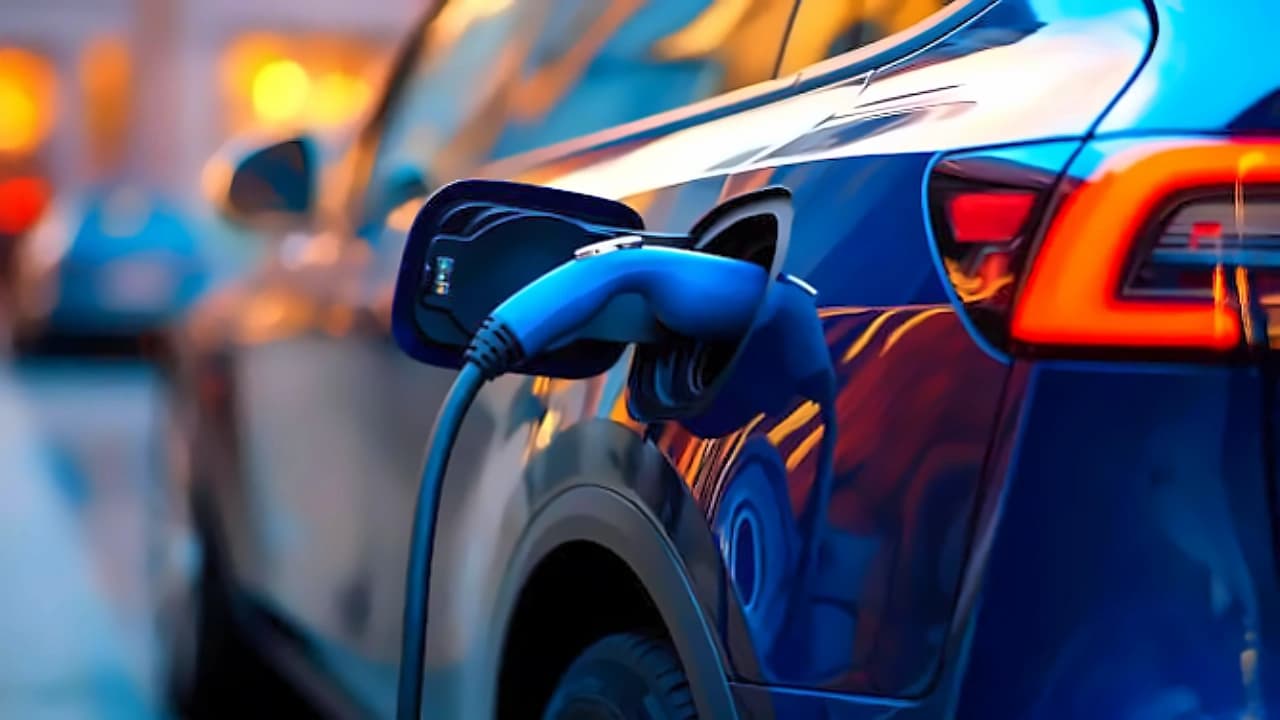
A surge in electric vehicle sales turned India into a net importer of auto components in FY26, snapping a two-year run as a net exporter, as reported by Mint. Imports increased 13 per cent to $25.4 billion (₹2.24 trillion), compared to 7 per cent growth in FY25, with the surge resulting in a $1.4 billion deficit compared to a $0.5 billion surplus in FY25. According to ACMA Director General Vinnie Mehta, "There was strong growth in the domestic market, especially in electric vehicles. As the level localisation is low in electric vehicles, the imports surged during the year." Electric vehicle sales surged 25 per cent to cross more than 2.4 million units in FY26, with the number of models across two-wheeler, three-wheeler, and passenger vehicles increasing during the last financial year.
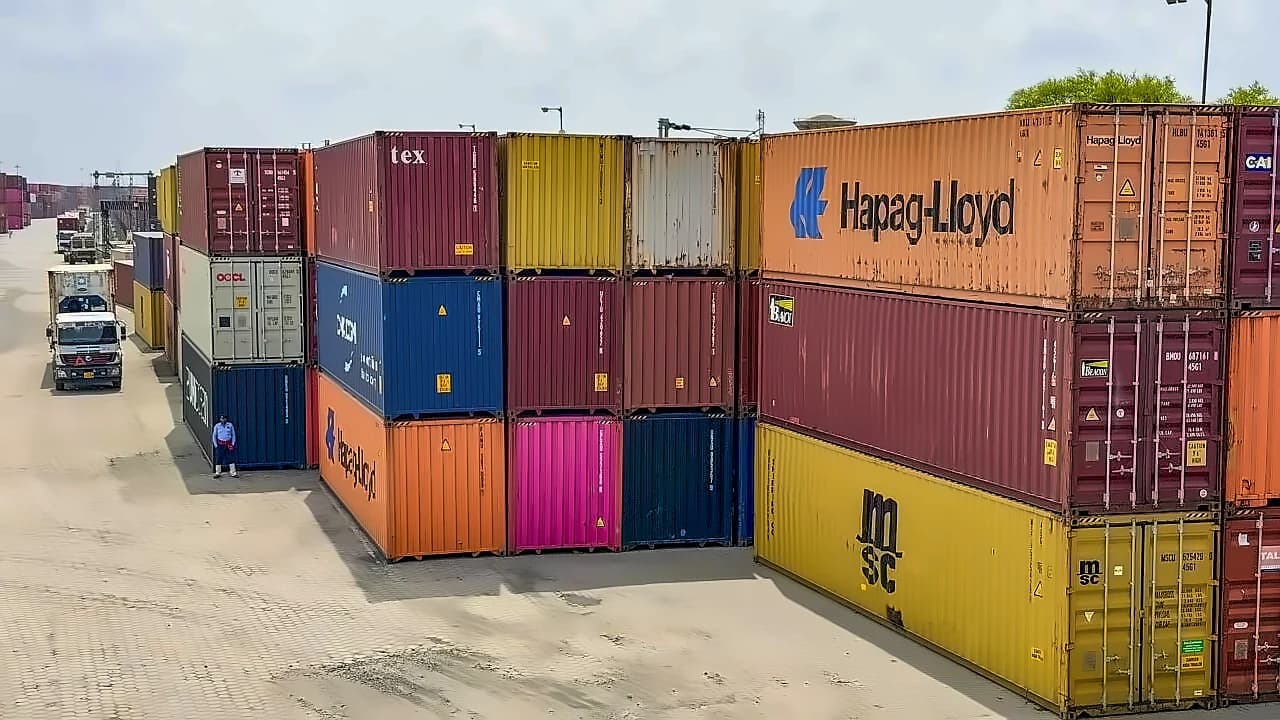
Exports at $24 billion grew 5 per cent in FY26, slower than the 8 per cent growth seen in FY25, amid tariff headwinds and the West Asia war, according to Mint. Imports from Asia, largely from China, surged 19 per cent to $17.75 billion, while exports of $7.3 billion to North America, India's second-largest component export market, remained flat. The surge in imports from China would directly align with increasing electric vehicle sales, which get their lithium-ion cells from the country. Supplies to original equipment manufacturers (OEMs) grew 16.3 per cent to ₹6.63 trillion ($75 billion), supported by higher vehicle production, while the aftermarket expanded 9 per cent to ₹1.08 trillion ($12.3 billion).

While the government has incentivised production of EV components and cells within the country through two production-linked incentives, the disbursal to auto component firms across both schemes remains muted, with none receiving significant direct support from the government, as reported by Mint. In March-April 2025, the US President Donald Trump administration imposed a 25 per cent tariff on automobile goods and Indian imports as part of Section 232 of the US Trade Act and the reciprocal tariffs regime. The US Supreme Court later struck down the reciprocal tariffs, leading to refunds of additional taxes paid by companies, including Indian companies, though some companies are still waiting for their refunds. The auto component body is also engaging with US trade authorities on the Section 301 investigation into the industry, looking at forced labour and excess industrial capacity.
Vikrampati Singhania, President of ACMA and Vice Chairman and Managing Director of JK Fenner (India), stated that the medium- to long-term outlook for the industry remains positive, citing growing domestic demand, infrastructure-led economic growth, expanding manufacturing investments, deeper global integration through free trade agreements and increasing global sourcing from India. ACMA emphasised that sustained policy support, continued capacity expansion, increasing value addition, multiple free trade agreements and growing global confidence in Indian manufacturing would help strengthen India's position as a preferred global automotive manufacturing and sourcing hub. The industry's long-term success will depend on its ability to navigate challenges while capitalising on opportunities for deeper localisation and technology development.