Union Civil Aviation Minister Ram Mohan Naidu announced on Monday that the investigation into the Air India AI-171 crash is in its final stages, with the Aircraft Accident Investigation Bureau (AAIB) expected to submit its final report soon while strictly adhering to international investigation protocols. Speaking about the probe's progress, the minister stated, "We are all waiting... AAIB doesn't want to unnecessarily speed up any process. They want to follow the protocol very strictly. This is an international protocol, so they can't miss any step." He added that the bureau has to focus on the investigation very thoroughly and is taking due time, but because it is in the last leg, they issued the latest statement. The minister emphasized that the AAIB remains committed to conducting a thorough, independent, objective and evidence-based investigation.
Over the past year, the investigation team has undertaken an extensive and rigorous examination of all relevant technical, operational, organisational and human factors associated with the accident. The AAIB noted that this effort has been supported by accredited representatives, technical advisers and subject matter experts from relevant organisations. Significant progress has been made in the examination and analysis of aircraft systems, flight recorder data, engine-related components, maintenance and operational records, and other evidence relevant to the investigation. The evidence gathered and results of various examinations are currently being analysed in a comprehensive and integrated manner, with the AAIB continuing to undertake additional technical evaluations and specialist examinations to ensure all findings are supported by verified evidence and sound scientific analysis. The investigation is being carried out in accordance with the Aircraft (Investigation of Accidents and Incidents) Rules, 2017, and the standards and recommended practices under ICAO's Annex 13.
Indian investigators are expected to delay issuing a final report into the deadly Air India Boeing 787 crash by the one-year anniversary on Friday, citing the need to complete an analysis of the plane's engines, according to Business Standard. The GE Aerospace-made engines have been at the centre of the probe into the crash of the Air India plane shortly after takeoff from Ahmedabad on June 12, 2025, which killed 260 people in the world's deadliest air disaster in a decade. Investigators conducted engine testing in April and visited France last month as part of an analysis of the engine management unit, as reported by Reuters. The final report was expected within three months once studies of the engines, which had been sent to the US for examination, were concluded, according to Bloomberg News.
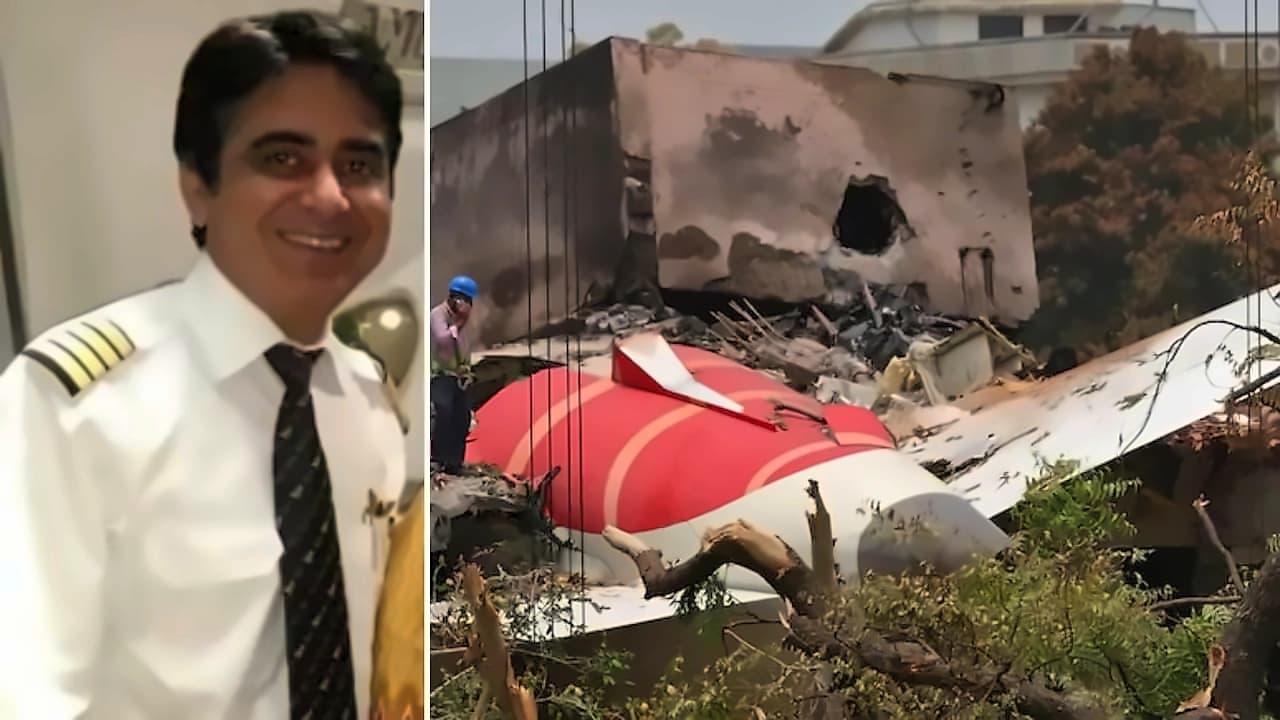
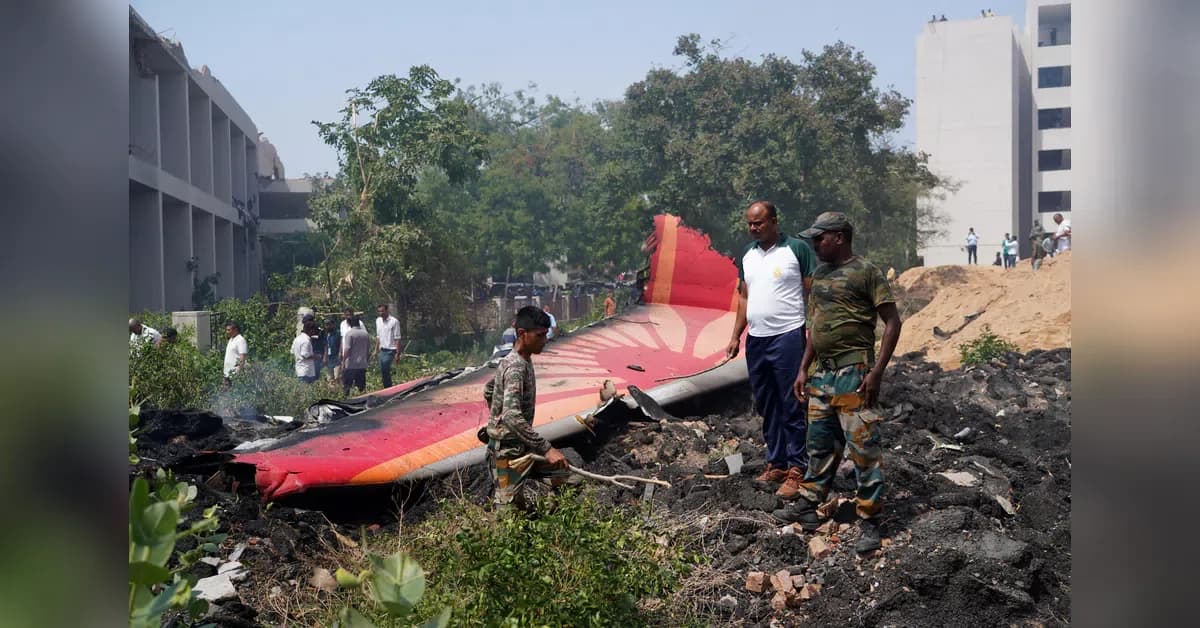
A preliminary report released on July 12, 2025 identified that within seconds of lift-off, both engine fuel control switches transitioned from 'RUN' to 'CUTOFF' one after another, with a one-second gap between them, cutting off fuel supply and causing the engines to lose thrust. The report found that this simultaneous movement starved both engines of fuel shortly after the flight took off. A cockpit recording of dialogue between the two pilots supported the view that the captain cut the flow of fuel to the plane's engines, according to US officials' early assessment reported by Reuters. The crash was the world's first involving a 787 Dreamliner, a Boeing model that has been in service since 2011. The Air India AI-171 flight crashed shortly after taking off from Ahmedabad's Sardar Vallabhbhai Patel International Airport on June 12 last year, killing 260 people, including 229 passengers, along with 12 crew members and 19 people on the ground.
The Aircraft Accident Investigation Bureau (AAIB) has confirmed that the final report on the deadly Air India Boeing 787 crash will be released only after completing all investigative activities and international review processes, as prescribed under Annex 13 of the International Civil Aviation Organisation (ICAO) rules. In its latest interim statement, the AAIB emphasized that the final report will be released upon completion of all investigative activities and the requisite international review and consultation processes. The bureau stated that the sole purpose of accident investigation is to enhance aviation safety through identification of lessons and safety recommendations, not to apportion blame or liability. The investigation is being carried out in accordance with the Aircraft (Investigation of Accidents and Incidents) Rules, 2017, and the standards and recommended practices under ICAO's Annex 13. The AAIB expressed its deepest condolences to the families and loved ones of all those who lost their lives in the accident, acknowledging the enduring pain and loss suffered by all those affected.

The crash hit Air India at a sensitive stage of its post-privatisation turnaround, which has been slowed by supply-chain snags, the Iran war and an airspace ban imposed by Pakistan on Indian carriers. Singapore Airlines owns a 25.1% stake in Air India, which reported a record US$2 billion loss for the last financial year. Following the crash, the Directorate General of Civil Aviation ordered enhanced inspections of Boeing 787 fleet on June 19, 2025, with Air India initiating a 'Safety Pause' and reducing services. The preliminary report did not make any safety recommendations to Boeing or GE, indicating no technical issues had been discovered at that time. The AAIB has urged stakeholders, media and the public to avoid speculation or drawing premature conclusions until the investigation is complete.