Airbus maintains its robust demand forecast for Asia-Pacific markets despite facing geopolitical and supply chain challenges. Anand Stanley, Airbus Asia-Pacific President, stated during a briefing in Hong Kong that the company does not see any softening in demand or deliveries due to geopolitical or supply chain headwinds. This confidence comes as the company continues to benefit from strong regional demand, with deliveries increasing 9% so far this year compared with the same period in 2025. The company maintains strong readiness to take deliveries across the board, with deliveries continuing in the Middle East alongside Asia-Pacific markets.
Airbus has significantly raised its forecast for India's domestic air travel growth to 9.3% from the previous 8.9%, marking India as the fastest-growing air travel market in the Asia-Pacific region. According to the latest 2026-2045 market forecast, this growth trajectory significantly outpaces China's revised forecast of 4.7% growth, down from the earlier 5.4%. As reported by Reuters, Airbus Asia-Pacific President Anand Stanley emphasized that the company continues to see strong demand across all regions, with deliveries increasing 9% so far this year compared with the same period in 2025. The company maintains strong readiness to take deliveries across the board, with deliveries continuing in the Middle East alongside Asia-Pacific markets.
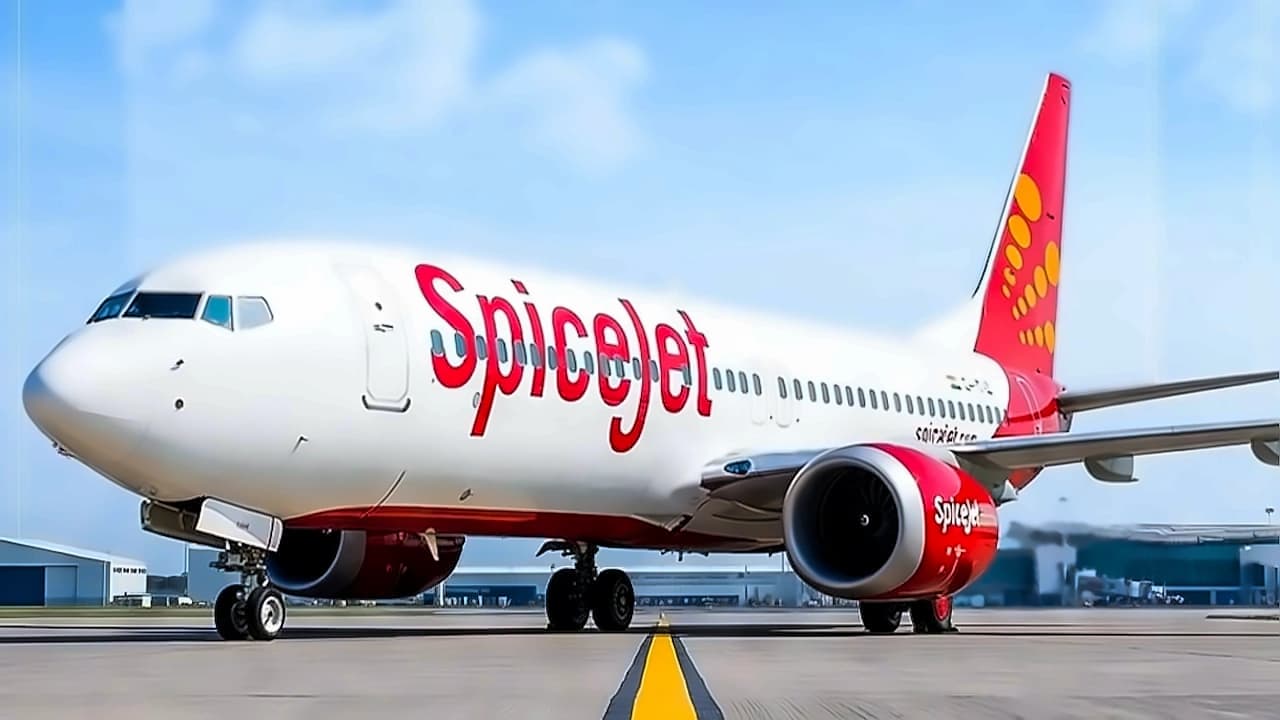
Latest data from OAG, a leading global travel data provider, reveals the current market structure in India's aviation sector. IndiGo remains India's largest airline by capacity with 11.3 million seats, holding over 50% market share despite a 4.5% capacity decrease of 525,600 fewer seats. Tata Group-owned Air India is the second biggest airline with 3.2 million seats and holds a 14% market share, though it saw its capacity shrink by 8.8% (309,000 fewer seats) in September compared to the same period last year. Air India Express also reduced capacity by 2.6% compared to September 2025, while SpiceJet reduced capacity at the fastest rate of 45.2%, losing 215,000 seats. Interestingly, UAE's flag carrier Emirates was the only foreign airline to increase capacity by 0.3% in September, and Akasa Air is the only Indian carrier to increase capacity by 5%.

Airbus projects that approximately 42,000 new aircraft will be required globally over the next 20 years, with 45% of these deliveries targeted for the fast-growing Asia-Pacific region. According to the company's 2026-2045 market forecast focused on the Asia-Pacific region, China represents Airbus's single largest market for commercial jets and will need 8,830 new passenger aircraft over the next two decades. India is projected to require 3,480 aircraft, while the rest of Asia-Pacific will need 6,880 new aircraft during this period. The forecast shows overall traffic expected to grow by 5.1% annually over the next 20 years across the region.
The forecast reveals significant divergence in air travel growth patterns across Asia, with India's domestic air travel growth expected to remain the fastest in the Asia-Pacific region. According to Airbus data, India remains the world's fastest-growing air travel market, with the company raising its domestic traffic growth forecast to 9.3% from the previous 8.9%. In contrast, China's growth trajectory has been adjusted downward, with Airbus cutting China's traffic growth forecast to 4.7% from the earlier 5.4%. The updated forecast widens the gap between India and China's projected growth trajectories, with India cementing its status as the region's fastest-expanding market and set to account for a significant share of global aircraft demand over the next two decades.