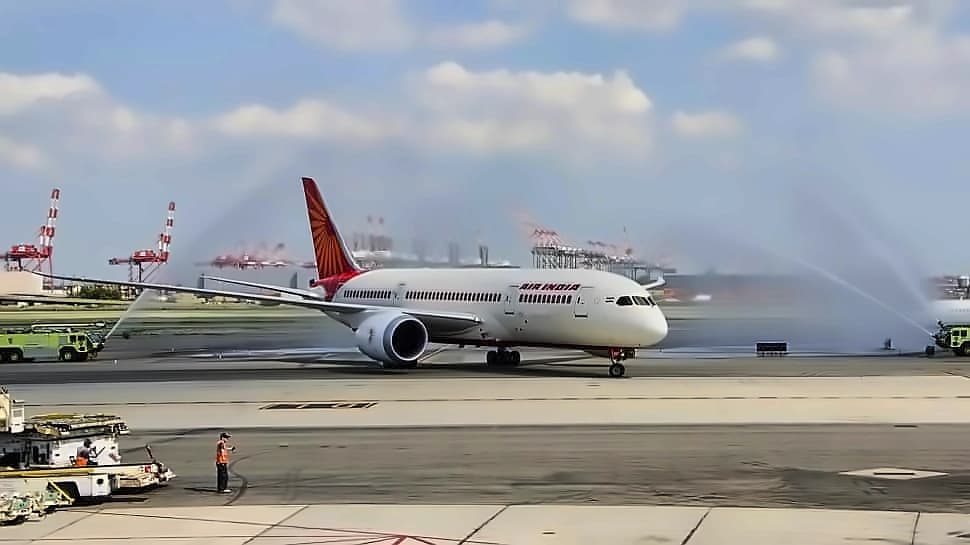
The Directorate General of Civil Aviation (DGCA) has successfully completed comprehensive audits of major domestic airlines following a Ministry of Civil Aviation directive ahead of the US Federal Aviation Administration's (FAA) safety oversight assessment scheduled for November 16-20. According to sources, the Ministry-directed exercise covers major carriers including IndiGo, Air India, Akasa Air and SpiceJet, with audits of all four airlines completed and findings reviewed by the regulator. The audits represent the first such industry-wide exercise after the Air India Phuket-Delhi flight incident in early August, where a sudden loss of altitude left around two dozen passengers and crew injured. As reported by Times Now, the audits have focused mainly on engineering processes and other safety-related areas at the major airlines.
During the audits, the DGCA has identified serious observations at major airlines, though the exact nature and details of the observations have not been disclosed at this stage. As reported by Times Now, the regulator found some serious observations during the audits, with the airlines concerned expected to submit their responses to the DGCA and submit details of the corrective steps they plan to take. IndiGo has already submitted its response to the regulator, while other carriers are expected to follow suit. The regulator will examine the explanations and corrective measures proposed by the carriers, with further regulatory action possible if the DGCA is not satisfied with the responses or corrective measures undertaken.
Industry sources familiar with the audit process have provided insights into the regulatory framework. According to reports from industry sources, such audits are routine regulatory procedures where the auditor must file a copy with the DGCA for every airline. The process allows the regulator to question every operational process followed by airlines, ensuring standardized safety protocols across the industry. Another industry source noted that regulatory audits are necessary because airlines could interpret Civil Aviation Requirements (CARs) differently, leaving scope for operational improvements. With the international assessment approaching, the DGCA is expected to closely monitor airlines and ensure that any safety-related shortcomings are addressed in time.
The FAA safety oversight assessment of the DGCA is scheduled from November 16-20, with a five-member FAA team expected to visit India to evaluate whether India's aviation regulator continues to meet standards prescribed by the International Civil Aviation Organization (ICAO). The assessment will examine the DGCA's safety oversight capabilities and its implementation of aviation safety regulations through the International Aviation Safety Assessment (IASA) programme. As reported by Times Now, the assessment is particularly important for India as its Category 1 status with the FAA allows Indian airlines to operate flights to the US and maintain codeshare arrangements with American carriers. The FAA has conducted three audits of the DGCA since 2015, with the most recent exercise undertaken in 2021 under the International Aviation Safety Assessment (IASA) programme.
Following the 2021 FAA audit, the regulator concluded that India continued to meet international aviation safety standards, allowing the country to retain its ICAO Category 1 status. This classification enables airlines from India to operate and expand services to the US and enter into codeshare agreements with American carriers. The upcoming FAA assessment will determine whether the DGCA continues to maintain these international safety standards, with the regulator emphasizing that FAA is coming to India to audit the DGCA, not the Indian airlines. As reported by Times Now, a successful assessment will therefore be important for maintaining this status and ensuring India's continued access to international aviation markets.