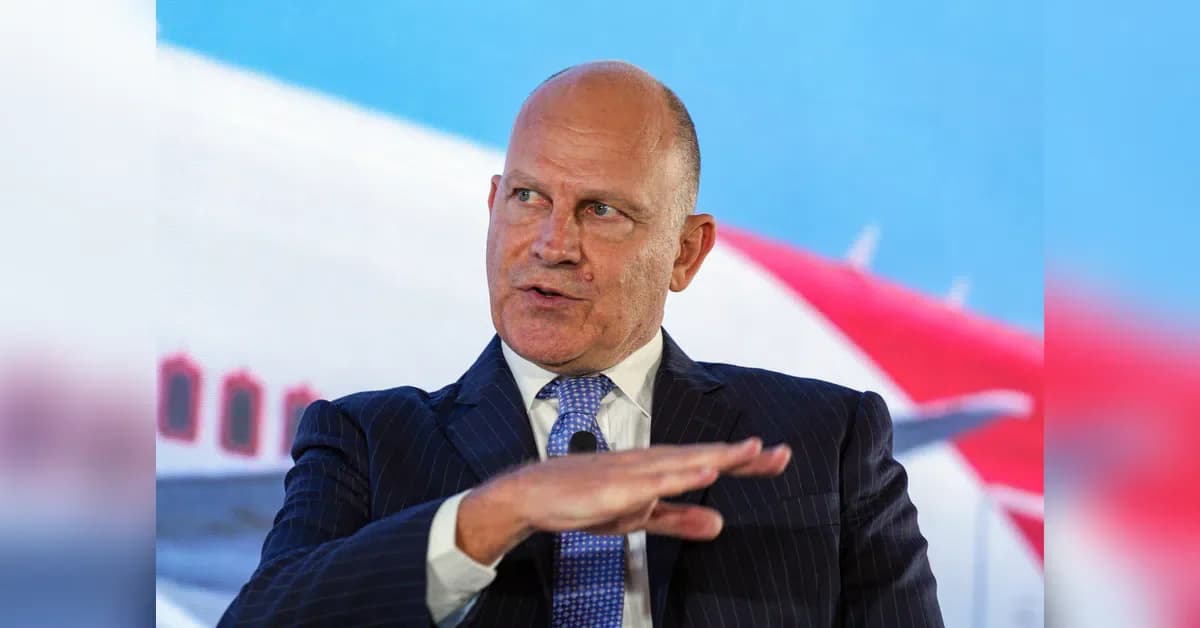
Campbell Wilson, the outgoing CEO and MD of Air India, announced his resignation on April 7 and will step down later this year after completing his four-year tenure. According to reports from PTI, the 54-year-old New Zealander, who was appointed in May 2022, has no plans to take up another full-time executive position. Wilson stated he will transition to advisory board roles, adjunct lecturing, and mentoring younger professionals, citing his 30-year aviation experience across different countries and companies as valuable knowledge to share with upcoming generations. Wilson described his tenure as "fantastic" and "incredible," highlighting various successful initiatives including cultural transformation, merger of four airlines, rebranding, and product upgrading. The airline chief noted there is a "natural transition point" between building the foundation and rapid expansion phases, making this an appropriate time for leadership handover. Wilson spoke to PTI on the sidelines of the just-concluded annual general meeting of the International Air Transport Association (IATA) in the Brazilian city.
Despite Air India's successful transformation over the past four years, non-delivery of aircraft on schedule has significantly impacted growth and fleet modernisation plans. As reported by PTI, Wilson expressed regret that aircraft deliveries were not made as contractually committed, which has delayed the airline's transformation progress. The second major challenge identified was supply chain constraints on seats, particularly first and business class seats, which have delayed the retrofit of existing wide-body aircraft by approximately two years. Wilson noted that had new aircraft been delivered and retrofits completed as contractually agreed, the remaining transformation phase would have been much more advanced. The CEO described this as "a shame" and "completely outside our control," emphasizing the disappointment over aircraft manufacturers and suppliers failing to meet commitments. Wilson asserted that the situation has a significant impact on growth, product and fleet modernisation.
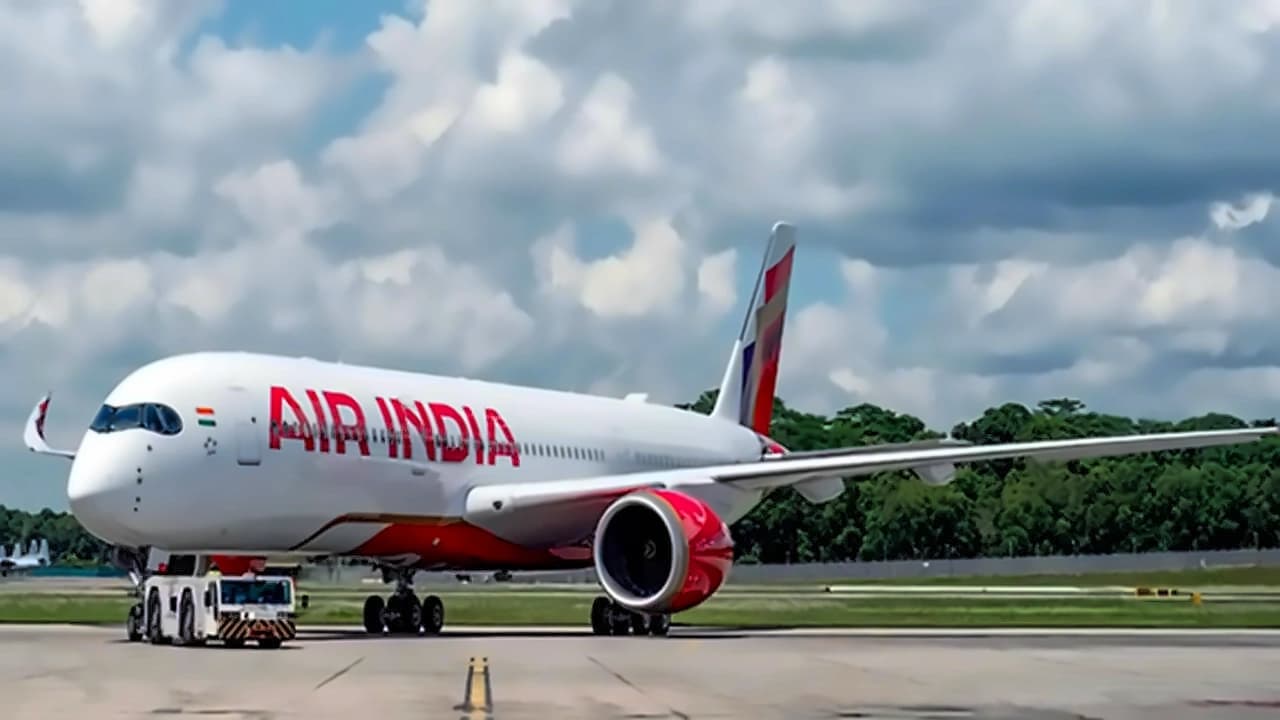
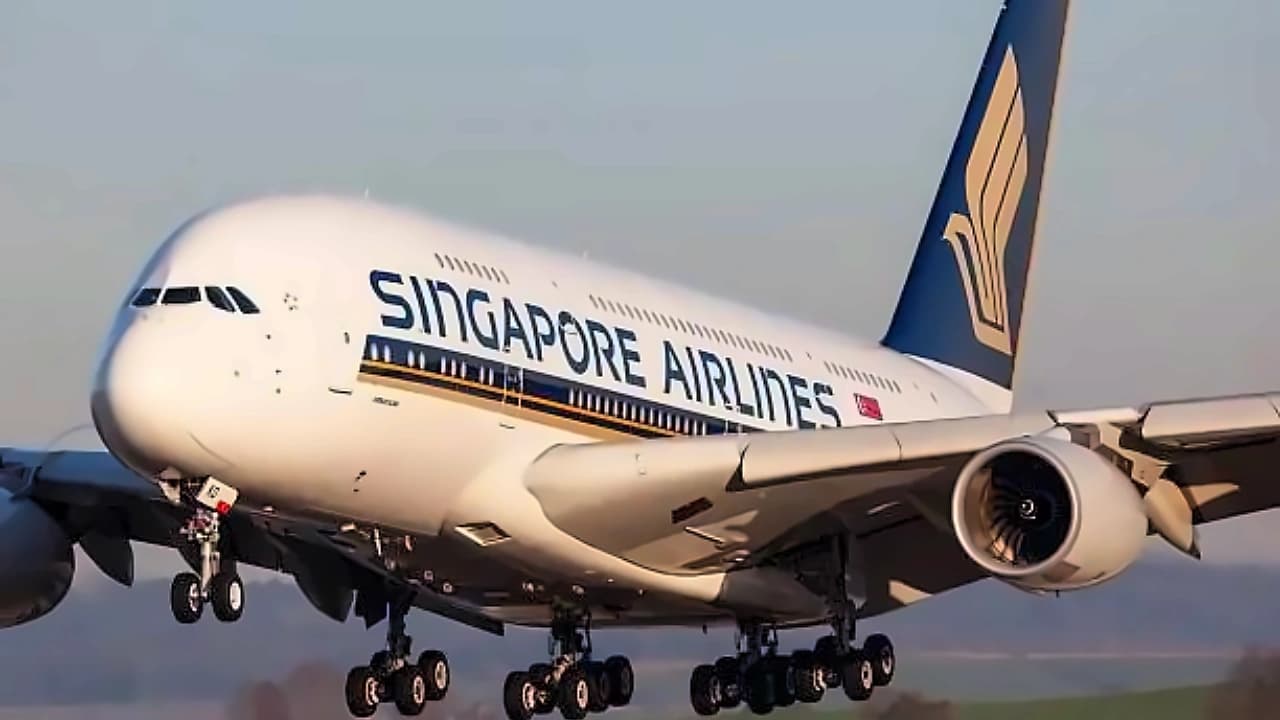
According to PTI reports, Air India Group currently operates more than 300 aircraft comprising Air India and Air India Express. The airline currently has 184 planes in its fleet, including 34 Boeing 787s (Dreamliners), 6 A350s, and 19 Boeing 777-300 ERs. Two new Boeing 787-9s have recently joined the fleet, and the retrofit of Boeing 777-300 ERs is expected to commence in mid-2027. The next phase will see deliveries of the bulk of the 670 aircraft ordered, representing a significant expansion opportunity for the airline. Wilson stated that the next phase for Air India will centre on expansion, with deliveries expected for a large part of the airline's order book. The airline, which was privatised in January 2022 and is now jointly owned by the Tata Group and Singapore Airlines, is in the midst of an ambitious transformation plan.
As reported by PTI, Wilson described his journey at Air India as fantastic and incredible, highlighting various successful initiatives including cultural transformation, merger of four airlines, rebranding, and product upgrading. The airline, which was privatised in January 2022 and is now jointly owned by the Tata Group and Singapore Airlines, has faced significant headwinds including the fatal crash of its Dreamliner that killed 260 people in June 2025, Pakistan airspace closure impacting international flights, and higher operational costs. A committee has been constituted by Air India to identify Wilson's successor, with the transition occurring at what Wilson described as a natural point between building the airline's foundation and rapid expansion phase. Wilson will remain in his current position until a successor is appointed. Wilson, who was immediately prior to taking charge of Air India the CEO of Scoot, the low-cost subsidiary of Singapore Airlines, noted that it was always his plan to look at stepping back from the current role after four years for certain reasons.