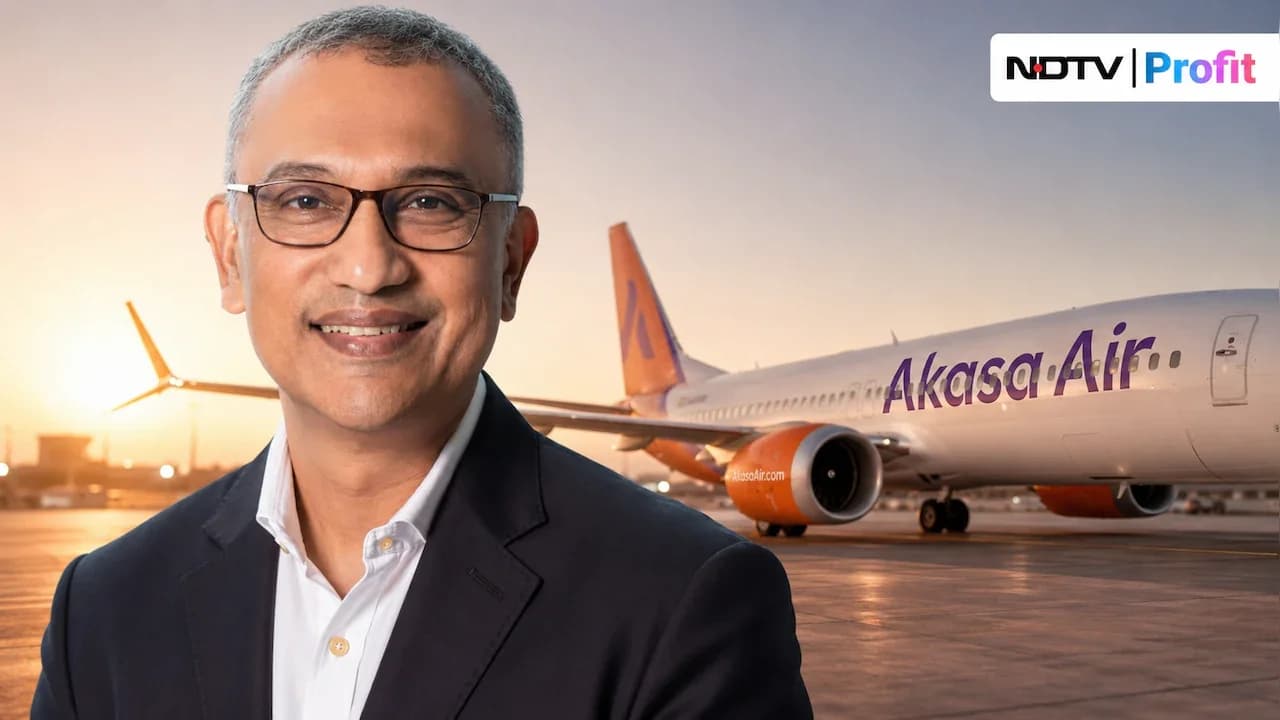
Akasa Air CEO Vinay Dube has expressed strong support for the government's consideration of allowing airport operators to own airlines, according to reports from Business Standard, ETInfra, Moneycontrol, and Mint. Speaking to PTI on Wednesday, Dube stated he was 'very confident that the government will take into account the considerations involved' when private enterprises own both airports and airlines. The CEO emphasized that 'the overarching factor is that as a nation, you know, we want consumers to have more choices', highlighting the need for increased competition in India's aviation sector. Dube was responding to queries regarding the proposal being considered that would allow airport operators to own airlines, stating 'I'm very confident that they (government) know about this (and) they'll take into account. Therefore I am happy and supportive of this move.' As per Moneycontrol, Dube reiterated his support on August 5, stating 'We are in support of the proposal. As a country, we need more airlines and consumers need more choices. Akasa is a beneficiary of that.'
Akasa Air sees resilient travel demand despite rising fuel and forex costs, with CEO Vinay Dube telling Business Standard that 'it is not a demand issue so much. It is much more of a fuel price and forex (rupee depreciation) issue, which we believe is going to be short term.' The airline has 'the financial wherewithal to get through this without a problem,' according to Dube, who noted that fuel costs and foreign exchange have a significant bearing on airline profitability, with aviation turbine fuel accounting for around 35-40 per cent of an Indian airline's operating expenses. Airlines often struggle to fully pass on these cost increases through higher fares, particularly in a competitive market, putting pressure on profitability. Despite cost pressures, operational metrics at the two new major airports remain strong, with load factors in line with the airline's network average.
Dube highlighted the development of Navi Mumbai and Noida International Airports will help ease long-standing capacity constraints at key aviation hubs, as reported by Business Standard. 'Slots in Mumbai and Delhi have always been constrained,' Dube noted, adding that 'to get these airports in these big cities that have had, you know, capacity constraints for over 10 years, I think is fantastic.' To support its expansion, Akasa Air has committed to building a dedicated Maintenance, Repair and Overhaul hangar at Noida International Airport. The airline's capacity is split between 75 per cent domestic and 25 per cent international operations, with West Asia destinations such as Riyadh and Abu Dhabi accounting for more than 80 per cent of its overseas capacity. The airline recorded strong operational performance in the April-June quarter, posting nearly 30 per cent growth in Available Seat Kilometres.
The proposal faces significant opposition from major industry stakeholders, with IndiGo Co-Founder and Managing Director Rahul Bhatia stating there would be a 'massive conflict of interest' if airport operators are allowed to own airlines, according to Business Standard, ETInfra, Moneycontrol, and Mint. Bhatia made these comments on July 23, expressing concerns about potential conflicts of interest with such a proposal. IndiGo Chief Financial Officer Gaurav Negi echoed those concerns, stating that airports and airlines have historically been kept separate under regulatory frameworks worldwide and that the carrier would evaluate the proposal once a formal policy is announced. However, FLY91 managing director and CEO Manoj Chacko welcomed the possibility, provided it is accompanied by transparent governance and safeguards to ensure fair competition, as reported by Mint. The proposal has also divided the aviation industry, with The Economic Times reporting last month that the Adani Group had written to the Airports Authority of India seeking a waiver of a clause that bars airport operators from holding more than a 10% stake in a scheduled airline. The group's CFO Jugeshinder Singh sought to allay concerns, telling analysts that the group's interest was 'to support the development of an airline for regional connectivity.'
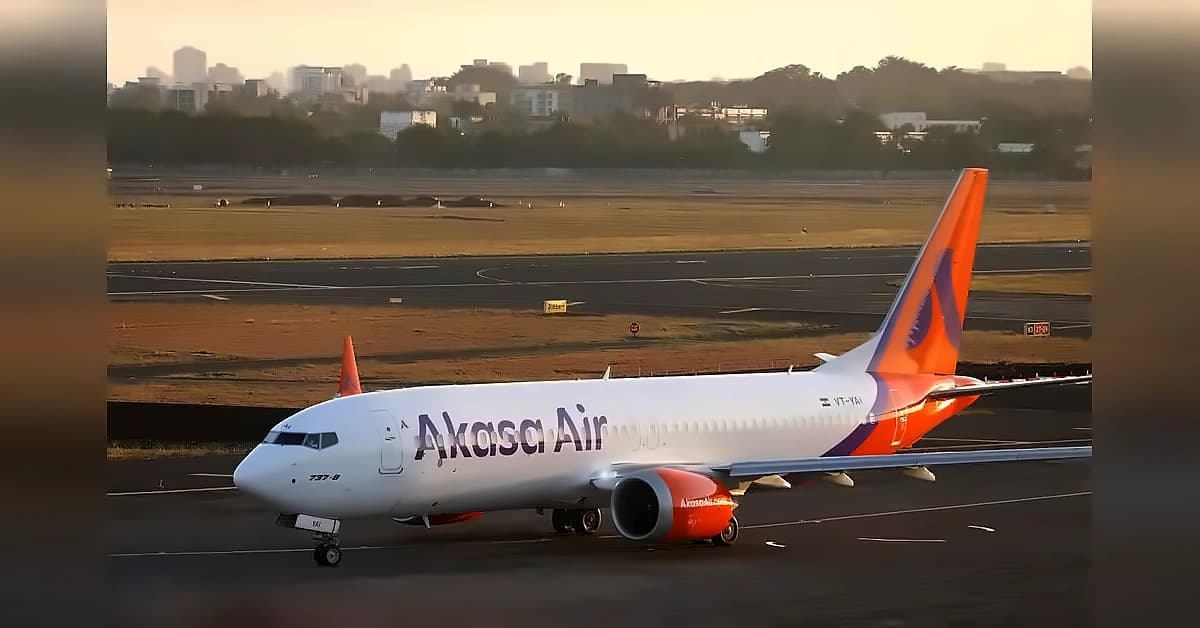
Akasa Air, which currently operates a fleet of 40 Boeing 737 aircraft, will complete four years of operations on Friday, August 7, 2026, marking a significant milestone for the nearly four-year-old airline. The airline commenced operations on August 7, 2022, positioning it as one of India's newer domestic carriers. As reported by Business Standard, ETInfra, Moneycontrol, and Mint, India is one of the world's fastest growing domestic aviation markets, making the timing particularly relevant for discussions about market expansion and competition. The airline has around a 6 per cent share of the domestic market and operates a fleet of 40 aircraft with 186 more on order as it expands its network over the long term. Akasa ended FY25 with revenue of ₹4,582.72 crore and a loss of ₹1,983.4 crore, as reported by Mint, and is yet to file its FY26 financials with the ministry of corporate affairs. The airline has increased its borrowing limit more than threefold to ₹3,950 crore from ₹1,200 crore to fund its growing operations and tap a government-backed credit programme, with SNV Aviation, Akasa's holding company, approving the new limit at a special shareholder meeting in May.