Air India's transformation to a world-class airline following its return to founder Tata Group in 2022 faces mounting financial challenges that have significantly complicated the restructuring timeline. The airline reported a net loss of ₹22,238 crore in FY26, representing more than double the previous year's loss of ₹10,859 crore. As reported by The Economic Times, these record losses have forced the airline to absorb years of heavy investment while simultaneously dealing with disruptions that have complicated its recovery plan. The financial deterioration has created a challenging environment for the airline's ambitious restructuring efforts under new ownership.
The airline's transformation timeline has been significantly extended beyond initial projections, with Tata Sons chairman N Chandrasekaran acknowledging in the company's 2025-26 annual report that the journey will require five to ten years rather than the previously optimistic five-year timeline under the Vihaan programme. As reported by The Economic Times, this reset reflects the complexity of the transformation process, which includes years-long supply chain disruptions in key components, the need to overhaul legacy systems, culture and fleet, and the creation of a large cadre of technical and airline professionals. The chairman emphasized that "few businesses are as vulnerable to war and fuel pressures as aviation," highlighting the unique challenges facing the airline's restructuring efforts.
The transformation faces serious headwinds from both the broader aviation industry and specific challenges within Air India. According to The Economic Times, these difficulties have created a complex environment for the airline's restructuring efforts, necessitating the extended timeline for achieving world-class status. The airline encountered three external headwinds this year: airspace closures, West Asia conflict-driven fuel price hikes and foreign exchange fluctuations, with the crash of AI171 making it the most challenging year for Air India. The combined impact of these factors, compounded by flight reductions that started with Operation Sindoor and continued post AI171 crash, saw AI FY26 revenue fall to ₹71,870 crore from ₹78,636 crore in the previous fiscal.
The transformation aims to elevate Air India to world-class airline status, representing a significant upgrade from its current operational capabilities. As reported by The Economic Times, this ambitious goal reflects the comprehensive nature of the restructuring efforts and the long-term strategic vision for the airline's future under Tata Group ownership. Tata Sons chairman emphasized that "a nation of 1.4 billion people, with one of the world's fastest growing economies, deserves a world-class flag carrier," noting that every great airline in history was built over decades, not quarters. However, the current situation raises uncomfortable possibilities for policymakers, with concerns that the bigger risk is no longer a duopoly, but a market where only one player is consistently strong enough to shape the industry's direction.
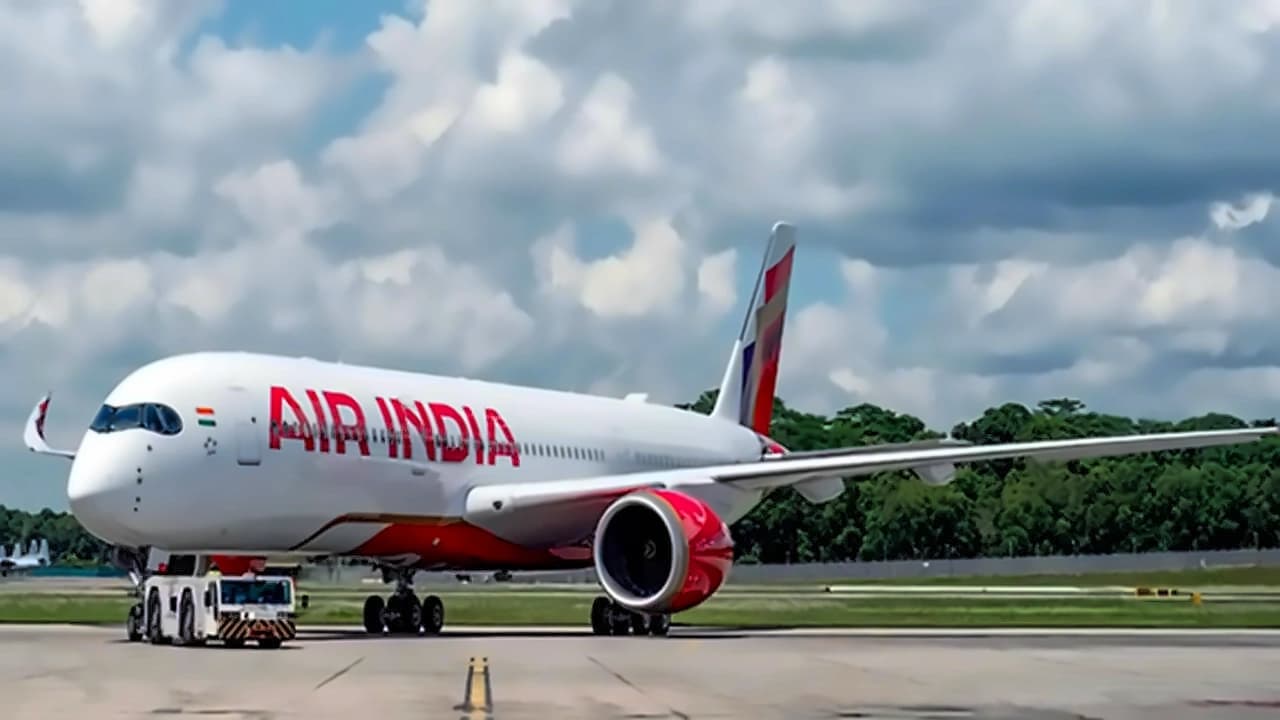
The airline is currently under interim leadership as Campbell Wilson prepares to leave his position, with Tata Sons chairman N Chandrasekaran directly supervising the company's affairs supported by a team led by former AI CMD P S Kharola. According to The Economic Times, significant progress has been made in the transformation journey, with narrow body aircrafts for domestic routes having been refurbished and receiving strong positive customer feedback. The wide body aircrafts are expected to complete refurbishment by end of FY28. Currently, Air India has the best on-time arrival performance in India as of June 2026, with the group's long-term commitment focused on creating a carrier that connects India to the world with pride and makes India a global aviation hub.