Singapore Airlines (SIA) Group reported a 57.4% decline in net profit to ₹9,200 crore (SGD 1.184 billion) for the financial year ended March 2026, according to reports from PTI. This represents a significant drop from the ₹20,600 crore (SGD 2.778 billion) net profit recorded in 2024-25. The airline group attributed the substantial decline to multiple factors affecting its financial performance during the reporting period.
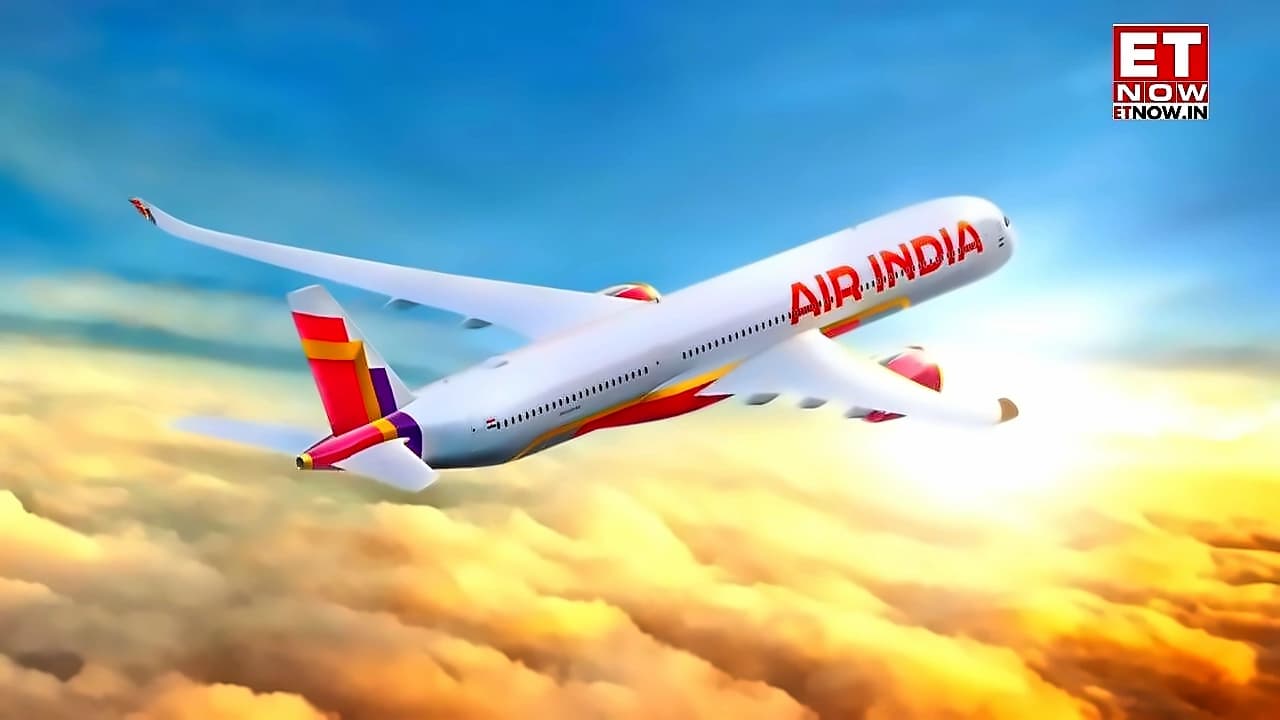
The primary driver of SIA's profit decline was the absence of a ₹8,800 crore (SGD 1.098 billion) non-cash accounting gain recorded in November 2024 upon completion of the Air India-Vistara merger, as reported by PTI. SIA Group's net profit declined by ₹13,600 crore (SGD 1.594 billion) primarily due to this one-time gain not being repeated in the current financial year. Additionally, the company faced a ₹7,100 crore (SGD 846 million) loss from its share of Air India's full-year losses, compared to only four months of losses in the previous year. According to Business Standard, Air India's loss stood at more than SGD 3.56 billion (over ₹26,700 crore) in FY2026, grappling with various challenges including Pakistan airspace closure, rupee depreciation, and the AI171 crash that killed 260 people in June 2025.
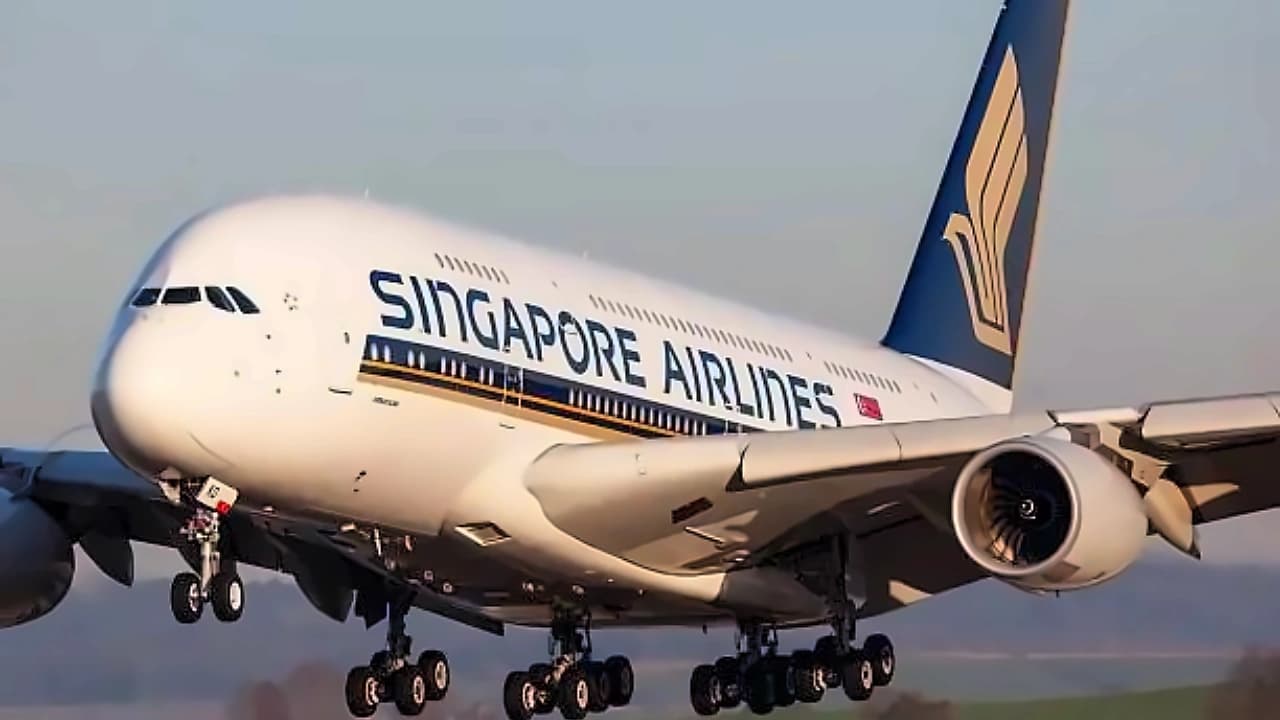
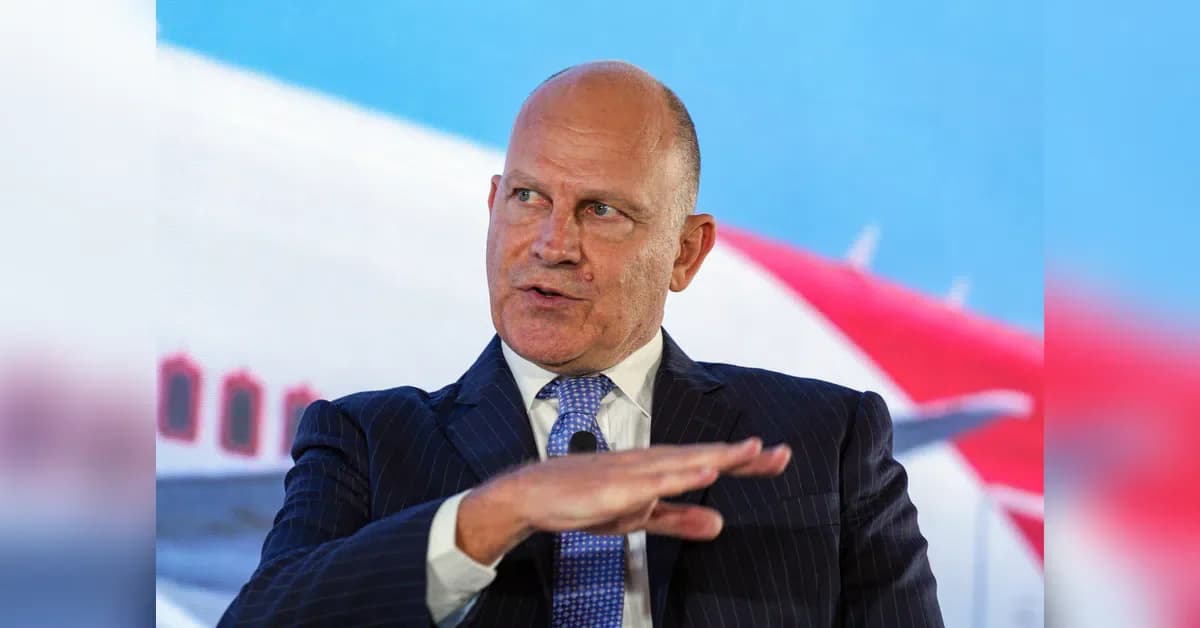
SIA Group maintains a 25.1% stake in Air India Group and continues to view this investment as a core component of its long-term multi-hub strategy, according to the company's release. As per Business Standard, CEO Goh Choon Phong emphasized that the investment enables direct participation in India's high growth domestic and international markets across full-service and low-cost segments. "Without a domestic market, investing in a secondary hub enables the SIA Group to secure long-term growth by participating directly in the fast-growing air transport markets beyond Singapore," he stated during the briefing.
Despite the significant losses, Business Standard reports that Air India continued to make tangible progress in its multi-year transformation programme. The airline has hired more than 14,000 people since 2022, while the average age of staff has reduced from 54 years to 36 years. CEO Goh Choon Phong acknowledged that Air India faces "largely external challenges" including supply chain disruptions, Middle East conflict, Pakistan airspace closure, AI171 crash, and rupee depreciation. He emphasized that the transformation is "a long game, and there is no shortcut," highlighting the airline's ongoing efforts to address these operational challenges.