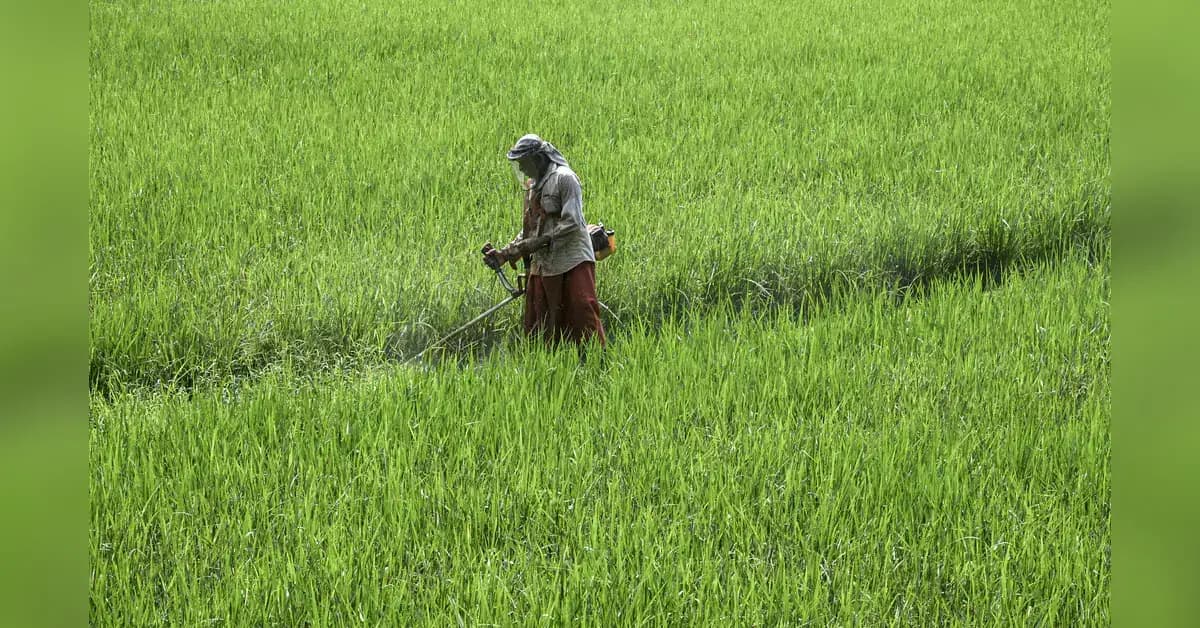
Wheat sowing has commenced in only a few states with coverage at 11,000 hectares as of October 23, significantly lagging behind the 27,000 hectares sown in the year-ago period, according to Agriculture Ministry data. The delayed sowing reflects the impact of the 13% deficient southwest monsoon from June to September, which has left less residual soil moisture and lower water levels in reservoirs and canals at the start of the rabi season. Since wheat requires several rounds of irrigation after sowing, poor rains can delay planting, reduce acreage and threaten yields, particularly affecting rainfed and poorly irrigated areas in Rajasthan, Madhya Pradesh, Gujarat, Bundelkhand and parts of central India.
Punjab and Rajasthan are particularly exposed to irrigation constraints, with rainfall deficits of 38% and 22% respectively, and below-normal reservoir storage at the end of September. The two states together account for about 31% of India's wheat area, making irrigation constraints there material to national sowing. As per Business Standard, experts noted that rainfed and poorly irrigated areas in these regions cannot easily substitute canal or groundwater irrigation for missing monsoon moisture, adding to the challenges facing wheat cultivation this season.
The agriculture ministry has set a wheat production target of 121 million tonnes for the 2026-27 crop year, against a record output of 120.7 million tonnes the previous year. The acreage under wheat was 336 lakh hectares last year, according to farm ministry data. Wheat is a major rabi crop, generally sown in October and November and harvested in March and April, with the final production outcome depending on the area sown, crop conditions and yields during the growing season.
Among other rabi crops, rice acreage was lower at 1.02 lakh hectares as of October 23, against 2.13 lakh hectares year earlier, while pulses area stood at 3.27 lakh hectares compared with 4.39 lakh hectares. Oilseeds were sown in 13.38 lakh hectares against 21.34 lakh hectares a year ago, and coarse cereals area was higher at 23,000 hectares as against 13,000 hectares. Total rabi crops were sown in 18.02 lakh hectares as of October 23, as against 28.26 lakh hectares in the year-ago period, according to the ministry data.
The Union government has increased the minimum support price of wheat to ₹2,610 per quintal for the 2027-28 marketing season (April-March), up from ₹2,585 per quintal in the previous season. The government's Rabi MSP increases for 2027-2028 range from 0.97% for wheat to 10.3% for safflower and mustard, rising 6.6% and lentil 5.5%. While higher MSPs provide a measure of price support, actual farm return will depend on yield, market prices, and procurement, as noted by Business Standard.