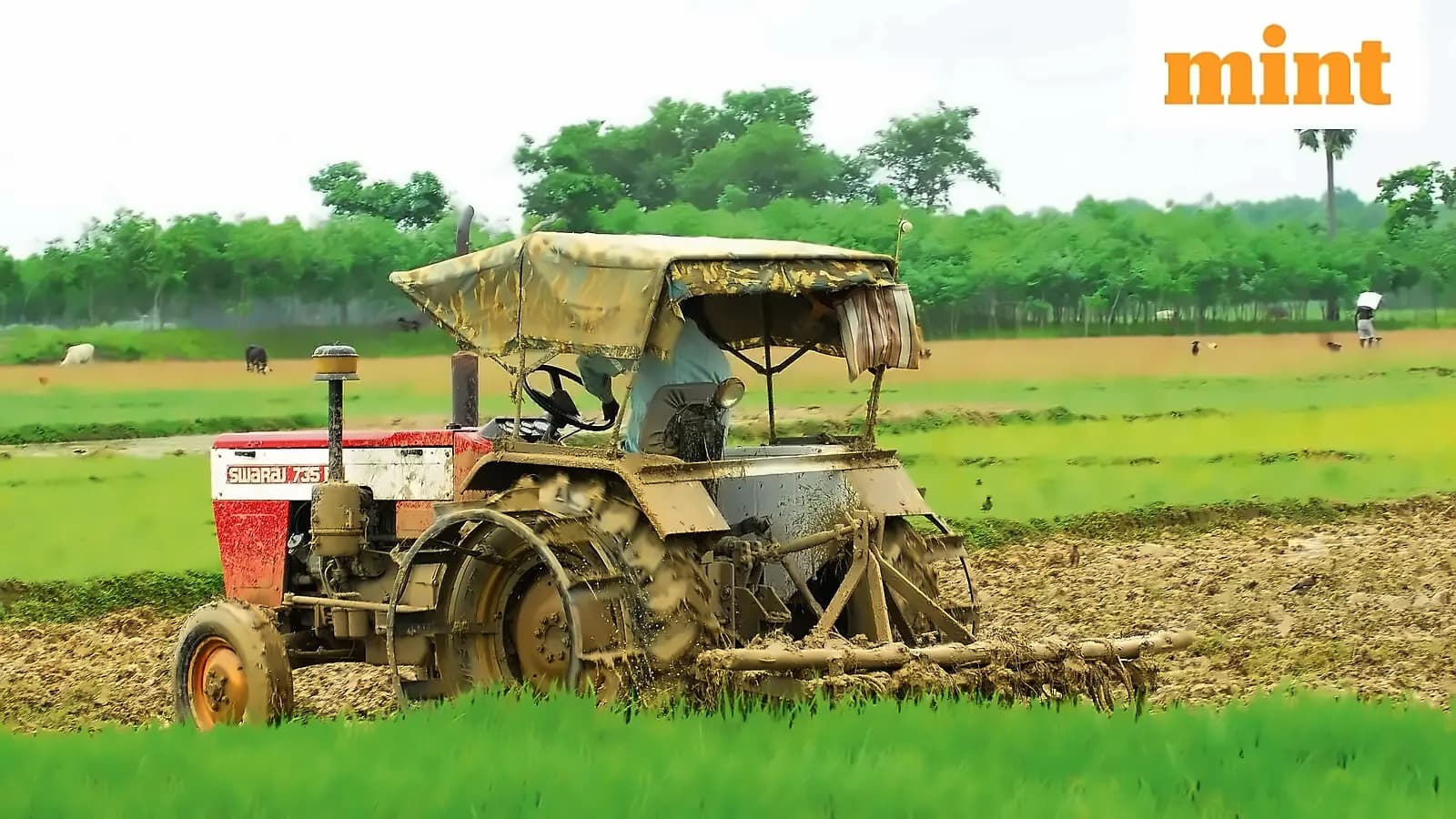
The 2026 southwest monsoon season ended with a 12.6% rainfall deficit—the worst performance since 2015. The India Meteorological Department recorded just 759.4 millimeters of rain against the normal 868.6 millimeters, hitting 87% of the long-period average. But the real story lies in the uneven distribution. South Peninsula and Northeast India took the hardest hits, with rainfall deficits of 24% and 26% respectively. These aren't just statistics—they're the lifeblood of India's agricultural economy, and when the rains don't show up, the ripple effects travel far beyond the farms.
Mahindra's September Slump
Mahindra's September 2026 numbers tell a stark story. Domestic tractor sales plummeted 23% year-on-year to 50,208 units, down from 64,946 in September 2025. But here's where it gets interesting—this decline isn't as bad as it looks when you dig deeper. September 2025 was an exceptional month, fueled by a GST rate cut from 12% to 5% and an early Navratri festival that pulled demand forward. Compare September 2026's 50,208 units to September 2024's 43,201 units, and you actually see a 16% improvement. The weak monsoon certainly played a role, but so did the timing of festivals and the absence of tax incentives that supercharged last year's sales.
Escorts Kubota's Rural Reality
Escorts Kubota felt the rural distress more acutely. September 2026 sales dropped 16.7% to 15,214 units, with domestic sales falling 16.2% to 14,911 units. The company didn't mince words about the causes—uneven monsoon conditions, lower Kharif sowing, and the festive season shifting to October all weighed on demand. But beneath these headline factors lies a deeper story about rural India's cash flow crisis. Farmers facing delayed crop realizations and squeezed margins simply aren't in a position to make big-ticket purchases. When you're unsure whether your harvest will cover basic costs, buying a tractor becomes a luxury you can defer.
The Credit Crunch
Here's something that doesn't make the headlines but matters immensely—credit. Tractor purchases in India are heavily financing-dependent, with most farmers relying on loans from banks, NBFCs, and dealer financing schemes. The weak monsoon has made lenders nervous. Banks and financial institutions, already cautious about rural exposure, have tightened lending standards in monsoon-deficit regions. This credit squeeze compounds the demand problem. Even farmers who want to buy tractors are finding it harder to get financing. For Mahindra and Escorts Kubota, whose sales models are built on accessible credit, this creates a double bind—weak demand and tighter credit supply.
The Kharif Sowing Delay
The timing couldn't have been worse. Kharif sowing, which typically begins with the monsoon's arrival in June, faced significant delays this year. By late June, Kharif acreage was 21% below the previous year. While this improved to just a 2% deficit by early August, the early-season disruption had already done its damage. Delayed sowing means delayed harvests, which means delayed cash flows for farmers. This timing mismatch is crucial—September is typically when farmers, anticipating harvest proceeds, make capital expenditures like tractor purchases. When the harvest timeline shifts, so does the purchasing timeline. Both Mahindra and Escorts Kubota saw this play out in their September numbers, as farmers postponed purchases waiting for clearer signals on crop prospects and income.
Input Costs vs. Farm Prices
There's a silent squeeze happening in rural India that doesn't get enough attention. Agricultural prices have been growing slower than cultivation costs over the past decade. Fertilizer prices, labor costs, and irrigation expenses have all risen, but the prices farmers receive for their crops haven't kept pace. This cost-price squeeze has been steadily eroding farm profitability and real incomes. When your margins are compressed and your costs are rising, replacing an old tractor or upgrading to a new one becomes a decision you can justify postponing. This structural pressure on farm incomes is making the tractor replacement cycle longer and more elastic, which is bad news for manufacturers counting on repeat customers.
The VST Tillers Paradox
Now for the plot twist.
How is this possible in the same weak monsoon environment? The answer lies in product mix and customer segments. VST's growth came entirely from power tillers, which jumped 50.6% to 4,520 units.
Plus, power tillers have specific government subsidies that tractors under 20 HP don't get. VST's 70%+ market share in power tillers and its South India focus—where irrigation coverage is higher and monsoon dependence lower—gave it natural insulation from the monsoon stress that hammered the tractor majors.
Inventory Pile-ups and Dealer Pain
The September sales decline has created another problem that's less visible but equally serious—inventory accumulation. Escorts Kubota and Mahindra both likely built up dealer inventories in anticipation of September demand that never materialized. With the festive season shifting to October, dealers are sitting on unsold stock, which means working capital tied up and interest costs mounting. This inventory overhang creates pressure for discounting in the coming months, which could squeeze margins further. For Escorts Kubota, which saw its stock hit a 52-week low of ₹2,644 in early October trading, the market is signaling concerns about both demand weakness and the margin impact of clearing this inventory. VST, with its leaner inventory and stronger retail offtake, doesn't face this pressure to the same extent.
The Festive Season Test
All eyes now turn to the upcoming festive season—Navratri, Dussehra, and Diwali. This is typically the strongest period for tractor sales, as farmers make purchases considered auspicious during these festivals. Mahindra and Escorts Kubota will likely deploy aggressive pricing and promotional strategies to stimulate demand. Expect dealer discounts, special financing schemes, and perhaps even extended warranty offers to sweeten the deal. But the effectiveness of these measures will depend on one thing—rural liquidity. If the Kharif harvest delivers better-than-expected results and improves cash flows, these promotions could work. If not, even the most attractive offers might not move the needle significantly.
Long-term Implications
The bigger question is what sustained rural distress means for the industry's capital allocation plans. Both Mahindra and Escorts Kubota have been investing in capacity expansion and new product launches. Mahindra, for instance, has been developing its upcoming Nagpur plant with a combined annual capacity of over 6 lakh vehicles and tractors.
But if rural distress persists, these companies might need to reassess their expansion timelines and capital deployment priorities. The tractor industry has enjoyed strong growth in recent years, but the current environment is a reminder that agriculture remains fundamentally dependent on monsoon performance, and no amount of mechanization can fully insulate the sector from weather risks.
The Road Ahead
The September sales decline is likely a temporary setback rather than a structural collapse.
The underlying trend toward farm mechanization remains intact, driven by labor shortages and the need for productivity improvements. But the current environment is testing the resilience of this trend. The companies that navigate this period best will be those that maintain financial flexibility, support their dealer networks through inventory corrections, and continue investing in products that meet the evolving needs of farmers across different segments and regions. The monsoon might be unpredictable, but the long-term demand for farm mechanization isn't going away.