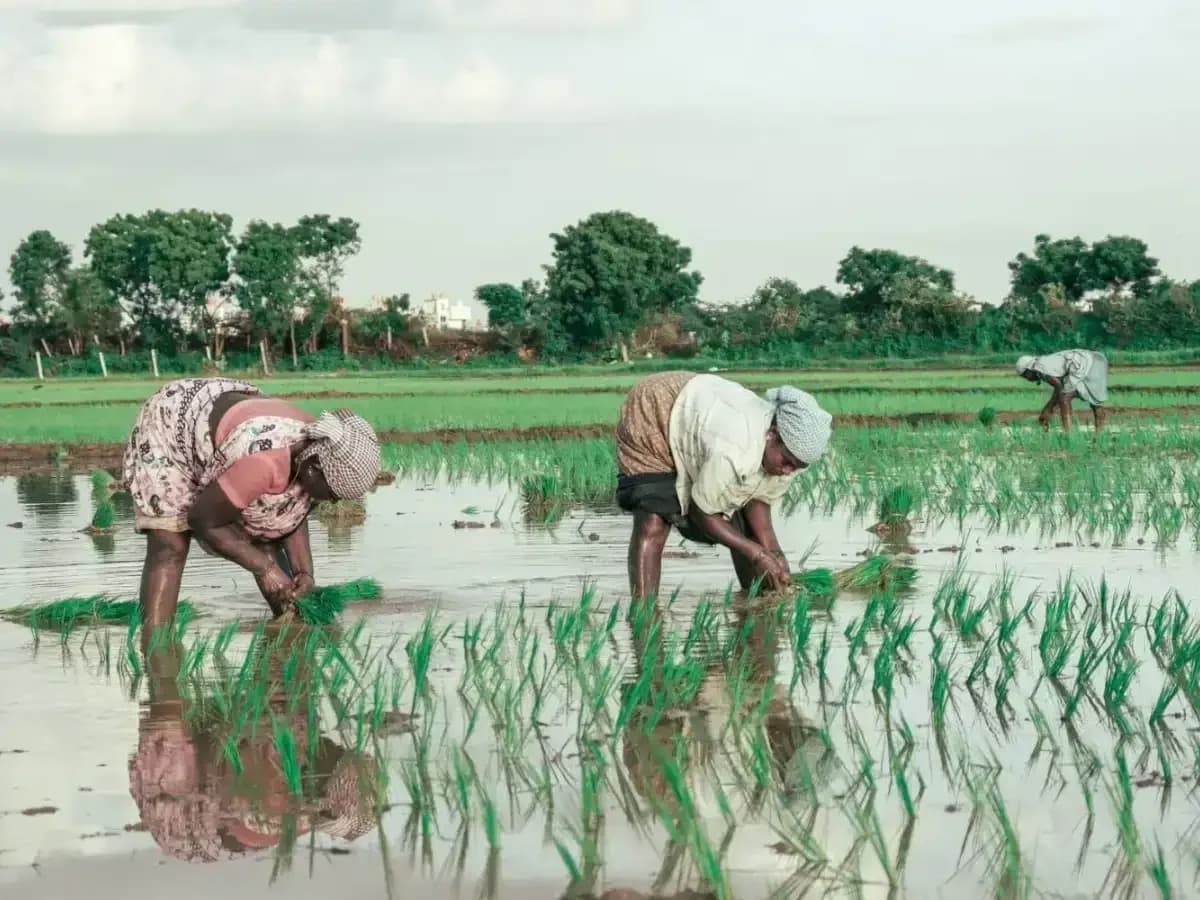
Agriculture and allied activities recorded gross value added (GVA) growth of 3.6% in the first quarter of FY27, according to data released by the Ministry of Statistics and Programme Implementation (MoSPI). This represents a significant decline from the 4.4% GVA growth registered during the same period in the previous financial year. The latest quarterly performance also showed improvement from the 3.9% GVA growth achieved in Q4FY26 (January-March). Despite this sectoral decline, India's overall economy demonstrated robust performance with GDP growth of 7.8% in Q1FY27, up from 6.9% in the corresponding quarter of the previous fiscal year.
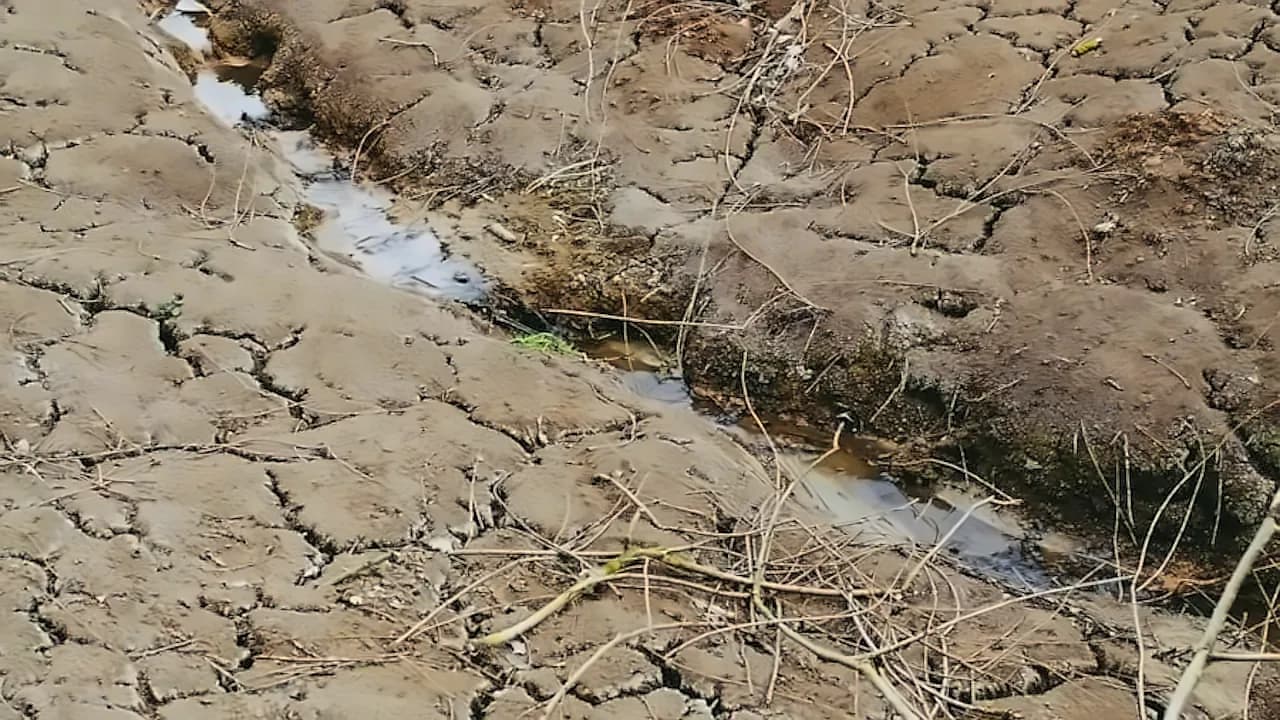
The slowdown in agricultural performance was attributed to adverse weather conditions during the critical growing season. As reported by Business Standard, the southwest monsoon was 14% below average cumulatively across India as of August 30, 2026. Eastern and southern peninsular India recorded deficits of 26% and 24% respectively from June 1 to August 30, 2026. The rains were more than 36% below normal in June, which sharply reduced kharif acreage before a strong pickup in July narrowed the deficit.
Experts identified the livestock sector as a key contributor to the GVA decline, particularly due to extreme weather conditions. According to Bank of Baroda's chief economist Madan Sabnavis, the impact of flooding and extreme heat in April to June 2026 affected animal husbandry and livestock activities. He noted that the April to June period typically sees low agricultural activities across India, with residual crop coming into the market, making the livestock sector's contribution more pronounced during this period.
Latest data from the Department of Agriculture as of August 28, 2026, showed that sowing of kharif crops had been completed on around 109 million hectares of land, which is just 1.7% less than the area covered during the same period last year. However, this represents a 3% lower acreage compared to normal levels. As reported by Business Standard, sowing for most crops is now almost over across India, with the actual impact of low monsoon on agriculture and allied activities' GVA for FY27 expected to be felt in coming quarters.
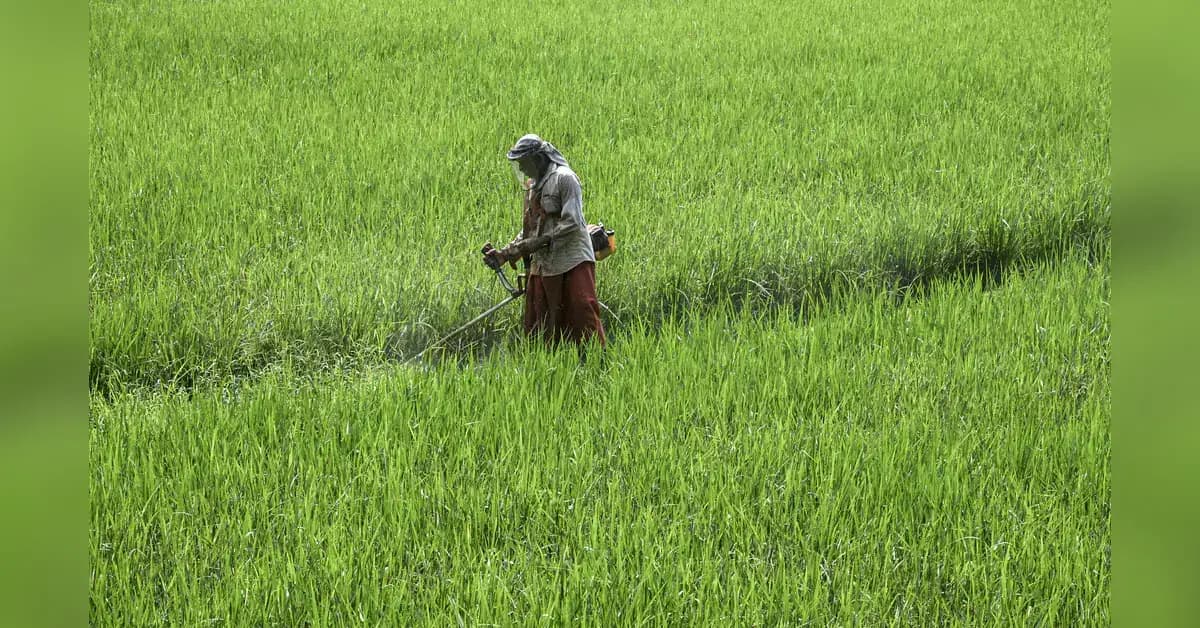
Despite current challenges, experts maintain that agricultural growth is expected to remain within historical trends. Sabnavis from Bank of Baroda estimated that full-year agriculture and allied activities GVA in FY27 could be around 3.5-4%, which he described as being in line with the long-term trend of the sector but with a distinct downward bias. He attributed the downward bias to the fact that despite revival in rains, kharif acreage will continue to be lower than last year, meaning though crops might improve due to late rains, the acreage lost won't be recovered. The economist noted that agriculture's current 3.6% growth should not be read negatively as it represents residual rabi and allied activities affected by floods.