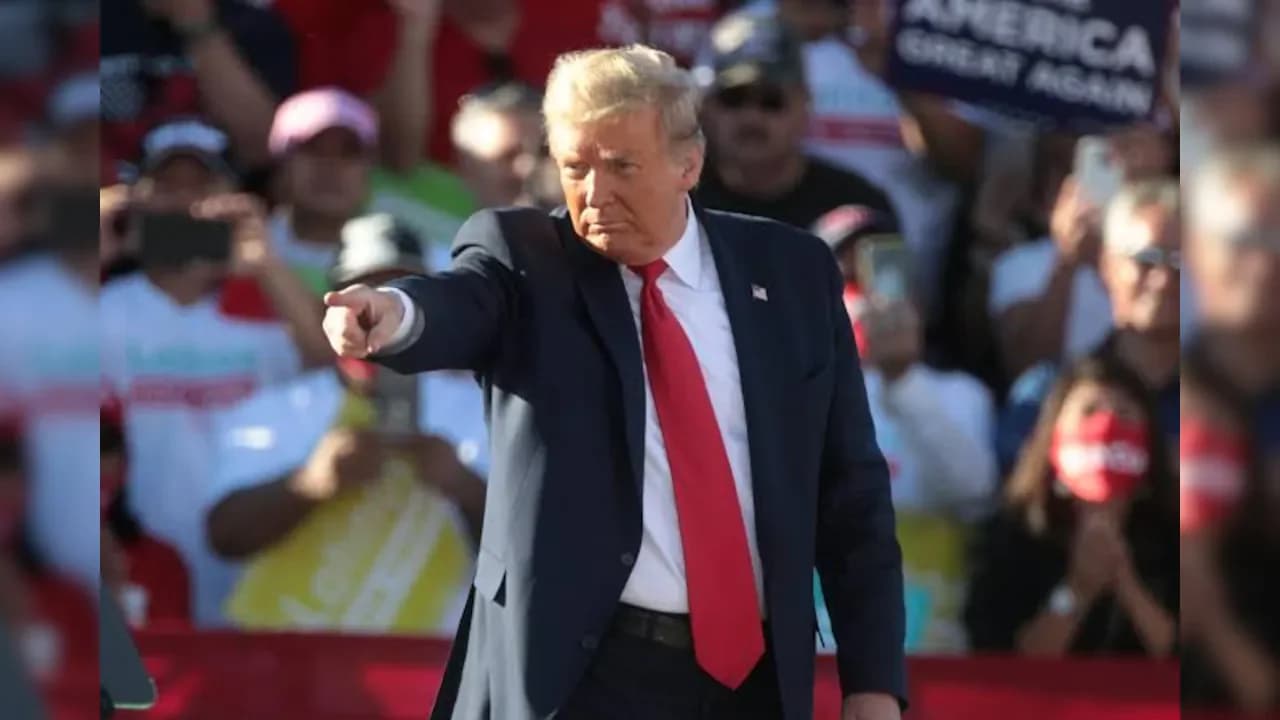
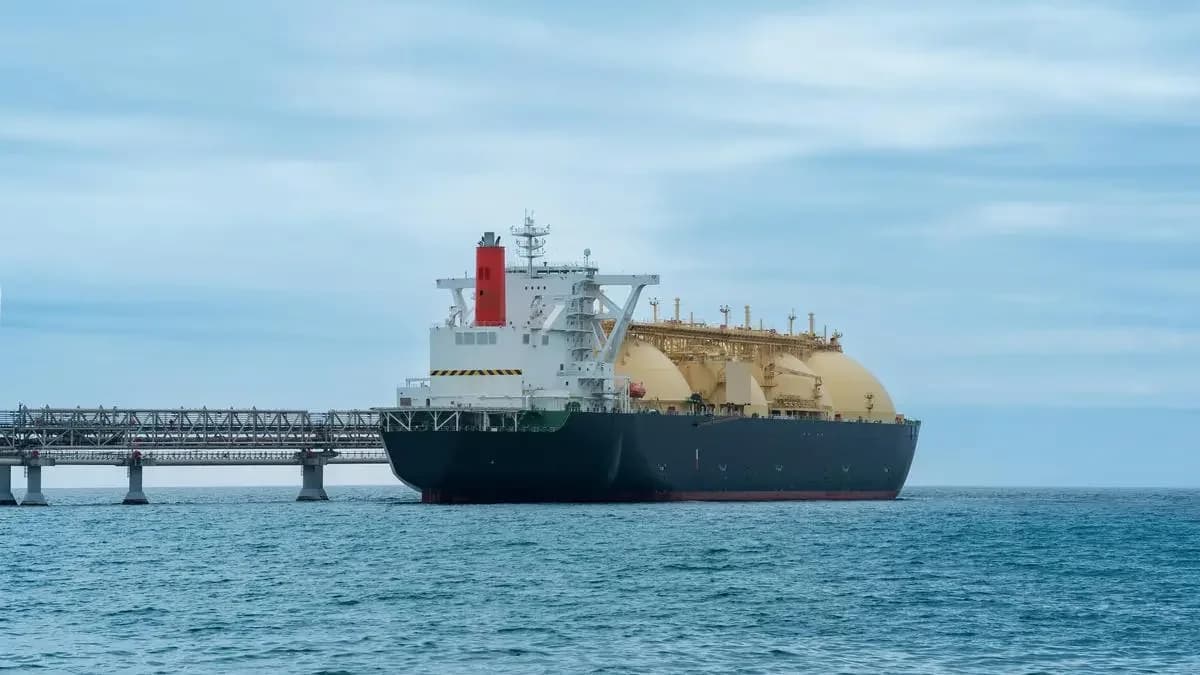
President Donald Trump has announced that Venezuelan oil will be used to replenish the US Strategic Petroleum Reserve (SPR), marking a significant shift in how the country plans to use its newly secured oil assets. As reported by Trump on Truth Social, "One of the things I am going to do with the Venezuelan Oil is fill up the Strategic National Reserves." Trump blamed former President Joe Biden for leaving the reserves "virtually emptied" and described the SPR refill as a "Gift from Venezuela to the People of the United States." The arrangement involves an experienced private operator in Venezuela, with oil supplied at cost potentially directed towards SPR replenishment and meeting US military requirements. However, the timing and scale of deliveries remain unclear, and it is too early to determine whether the arrangement will have any meaningful impact on US petrol prices.
Despite Trump's announcement of the biggest oil deal in history, oil prices actually rose rather than fell following the announcement. Brent crude climbed from about $88 to $90.48 by Monday, defying the deal's promised supply boost. According to Goldman Sachs, Gulf oil exports are currently at 15-16 million barrels per day, roughly two-thirds of pre-conflict volume, with Iran and Oman striking a revenue-sharing deal over the Strait of Hormuz. As noted by GasBuddy's Patrick De Haan, "While the hope of lower gas prices sounds promising, it still will take billions of investment to get that oil." The market's reaction suggests traders are treating the distant Venezuelan barrels as background noise against live supply threats elsewhere, particularly Middle East tensions.
The historic oil deal has sparked intense criticism from both Venezuelan opposition forces and hard-line Chavistas, creating significant political challenges for interim President Delcy Rodríguez. According to Eurasia Group's Latin America director Risa Grais-Targow, the agreement may benefit Rodríguez by reinforcing Trump's commitment to working with her and diminishing incentives for swift elections. However, this same dynamic has enraged the opposition, with critics questioning why the economic agreement lacks commitments on elections or democratic transition. María Corina Machado, Venezuela's most prominent opposition leader, was not involved in the negotiations, as confirmed by people familiar with the matter. The deal was negotiated without opposition participation, adding to concerns about democratic legitimacy.
Hard-line Chavistas have reacted angrily to the announcement, questioning the deal's legality and describing it as an abdication of sovereignty. As reported by participants in text-message discussions, some supporters of the Chavismo movement founded by late President Hugo Chávez have accused Rodríguez of betraying principles built around state control of Venezuela's oil. Former lawmaker Willian Rodríguez invoked Chávez, quoting him as saying 'The oil is ours, and with it we recovered our homeland.' Rodríguez responded by saying 'This agreement does exactly the opposite: it gives away the homeland and renounces our national destiny.' The criticism reflects decades of anti-US nationalism that has been central to Chavismo's political platform.
The agreement covers 17 strategic fields holding 65 billion barrels of proven reserves, with the new entity having 100-year concessions for oil fields totaling 63 billion barrels of proven reserves. However, Venezuela's current output sits close to 1 million barrels per day according to OPEC data, a dramatic decline from the more than 3 million barrels per day the country produced in the late 1990s. Rystad Energy projects production could rise only 17% by 2028, depending on heavy investment in decayed infrastructure. Interim President Delcy Rodríguez said the venture could draw more than $100 billion in investment, but as noted by energy experts, "It still will take billions of investment to get that oil."
Venezuela is closely examining plans to leave OPEC, according to people familiar with the matter, delivering a fresh blow to the oil cartel it helped create more than six decades ago. The idea of an exit has been a topic in conversations with US officials, and no final decision has been made. A decision to pull out of the Organization of the Petroleum Exporting Countries would underline the sweeping political realignment in Caracas since President Donald Trump ousted the longtime leader Nicolás Maduro and took control of the nation's oil sales. The more consequential dimension of Venezuela's potential exit is what it could signal about the durability of Saudi-led OPEC's influence, with any departure risking doubts among traders about the group's cohesion and capacity to manage prices through coordinated output decisions. Venezuela was one of the five oil producers that founded OPEC in 1960 and is widely considered the most influential country in the group's creation.