The two-week ceasefire declared by US President Donald Trump has provided significant relief to global energy markets, with oil prices plunging below $100 in early Asian trading. According to reports from Oilprice.com, the dramatic selloff came after Trump committed to a two-week suspension of military operations against Iran if the country immediately restores safe passage through the Strait of Hormuz. As per The Hindu BusinessLine, the development comes as a bearish factor for crude oil and product prices in the short term. Prashant Vasisht, Senior VP & Co-Group Head of Corporate Ratings at ICRA, noted that while crude and product flows may take months to normalize, some supplies would start for crude oil and petroleum products like naphtha, LPG, thereby alleviating immediate shortages. However, as reported by The Indian Express, the global energy market is in no mood to significantly discount the geopolitical risks associated with the Strait of Hormuz, with Iran's Foreign Minister stating that safe passage will be possible for two weeks but "via coordination with Iran's Armed Forces and with due consideration of technical limitations."
With the prospect of supplies recommencing from the Strait of Hormuz (SoH), crude oil and LPG prices have eased dramatically, with WTI crude dropping 17% to $96.43 and Brent crude falling 16% to $95.42 in latest trading. As reported by Argus Media, the May Nymex WTI contract fell by $21.90/bl to a low of $91.05/bl before rising slightly to $96.43/bl, while the front-month June Ice Brent contract dropped by 16% to a low of $91.70/bl before recovering to $95.42/bl as of 11:00 Singapore time. According to Oilprice.com, the dramatic selloff came on the back of Trump committing to a two-week suspension of military operations against Iran if the country immediately restores safe passage through the Strait of Hormuz. According to The Hindu BusinessLine, Vasisht emphasized that the announcement provides much-needed relief to the domestic oil and gas sector given the high reliance on West Asia for supplies. However, according to The Indian Express, oil prices are still over 30% higher than pre-war levels despite some easing, with benchmark Brent crude shedding around 16% to trade at about $93 per barrel as of 12 noon India time. The government has been in constant touch with Iran and other regional players to get its stranded energy cargoes, particularly LPG tankers, out of the Persian Gulf, with eight India-flagged LPG tankers safely transiting the fraught waters.
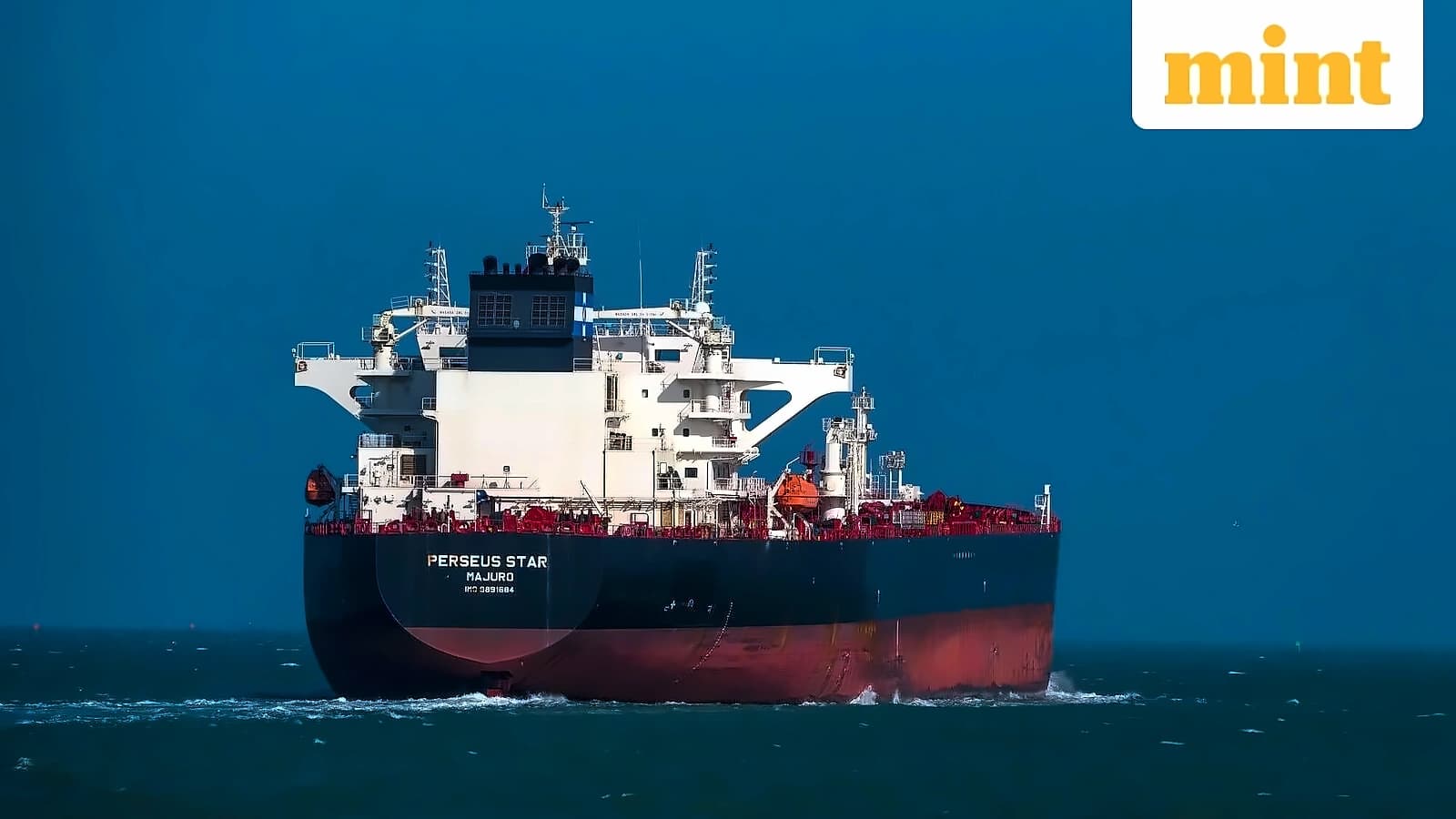
The temporary ceasefire and opening of the Strait of Hormuz could help evacuate large volumes of oil, petroleum fuels, and LNG on board ships stranded in the Persian Gulf. According to The Indian Express, about 180 million barrels of crude oil and refined fuels and over 1 million tonnes of LNG are stranded in the Persian Gulf. However, industry experts believe it would take months for most of the supplies to normalise, with Gulf energy infrastructure like export terminals, refineries, oil fields, and LNG processing units taking months, even years in some cases, to get back to normal production levels. The disruption in flows through the Strait of Hormuz forced Gulf oil producers to shut in around 7.5 million barrels per day of oil production in March, which accounts for roughly 7.5% of global oil supply. Despite the breakthrough, tensions remain elevated across the region, with several Gulf states reporting missile launches, drone activity, or issuing civil defense warnings.
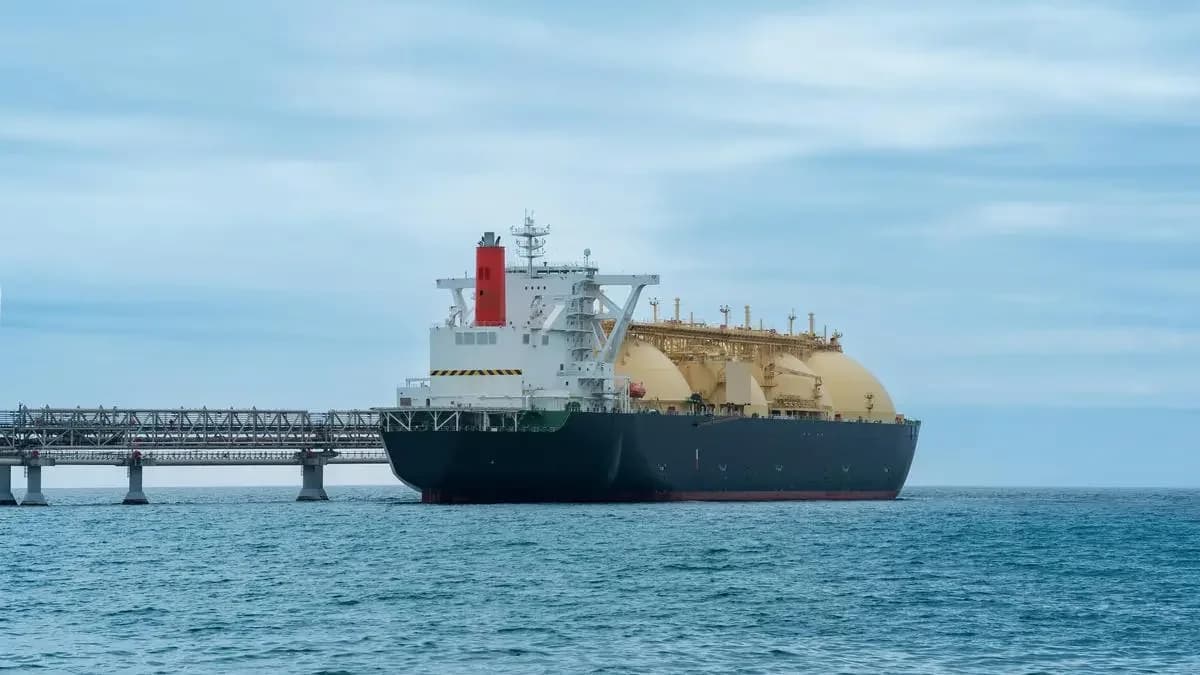
India's heavy dependence on energy imports has led to a double whammy of supply tightness and price surge, with the country depending on imports to meet over 88% of its crude oil needs, over 40% of which came via the Strait of Hormuz. The country depends on imports to meet half of its natural gas requirement, with 55-60% coming through the Strait, while LPG import dependency stands at 60% with 90% of those imports coming through the maritime chokepoint. According to The Indian Express, India imports 1.8-2 billion barrels of crude oil a year, with every $1-per-barrel increase in oil prices bumping up the country's oil import bill by up to $2 billion on an annualised basis. The government has slashed excise duty on petrol and diesel by ₹10 per litre, with oil marketing companies absorbing heavy under-recoveries on LPG and jet fuel sales.
S&P Global Energy analysts maintain a cautious outlook, with James Bambino noting that normalised trade flows are far from certain and hostilities could resume at any time. As reported by The Indian Express, CLSA analysts believe the war has fundamentally changed the demand-supply equation for the next few quarters, with rising focus on energy security and depleting strategic inventory driving demand for both crude oil and LNG to higher levels than envisaged. The coming weeks will determine the post-war balance of power and security arrangements in the Middle East, which could be very different from before, particularly affecting Qatar's role in LNG markets. Former foreign secretary Nirupama Rao noted that "what we are witnessing is not resolution of conflict, but repositioning," with the conflict now entering a crucial phase of negotiation where much will depend on what comes of those talks. For now, oil markets are breathing a sigh of relief, but volatility isn't going anywhere as traders continue to watch developments across the region, with the single most important factor to watch being how many tankers cross the Strait of Hormuz with this new agreement in place.