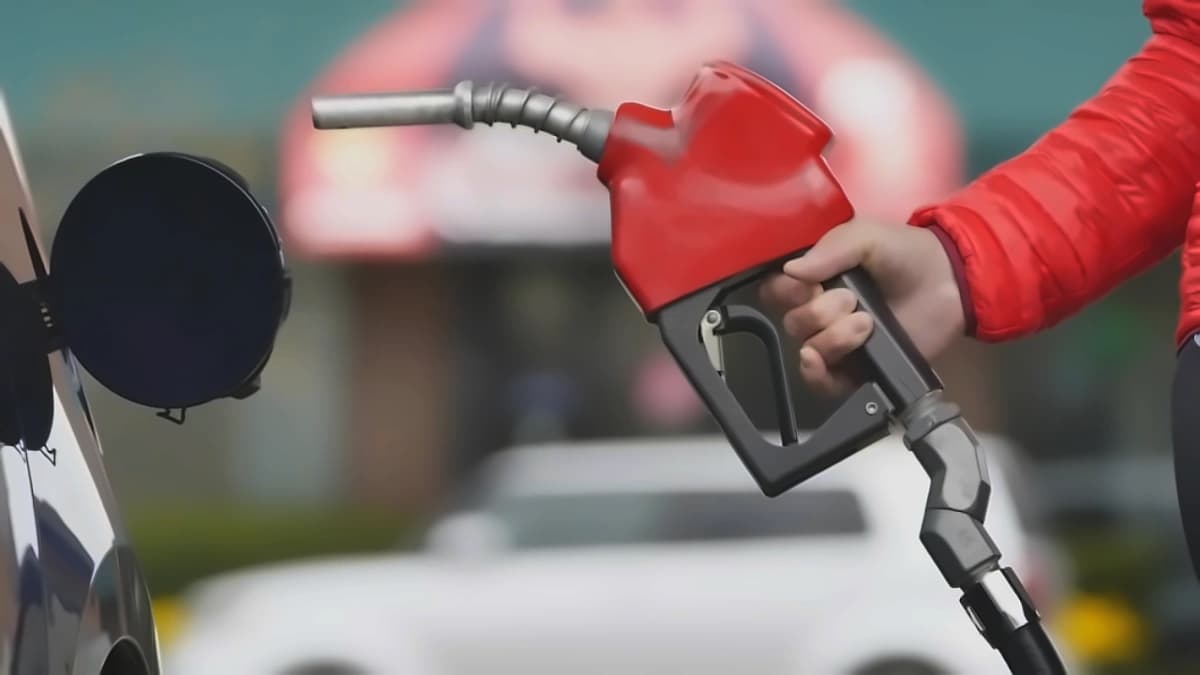
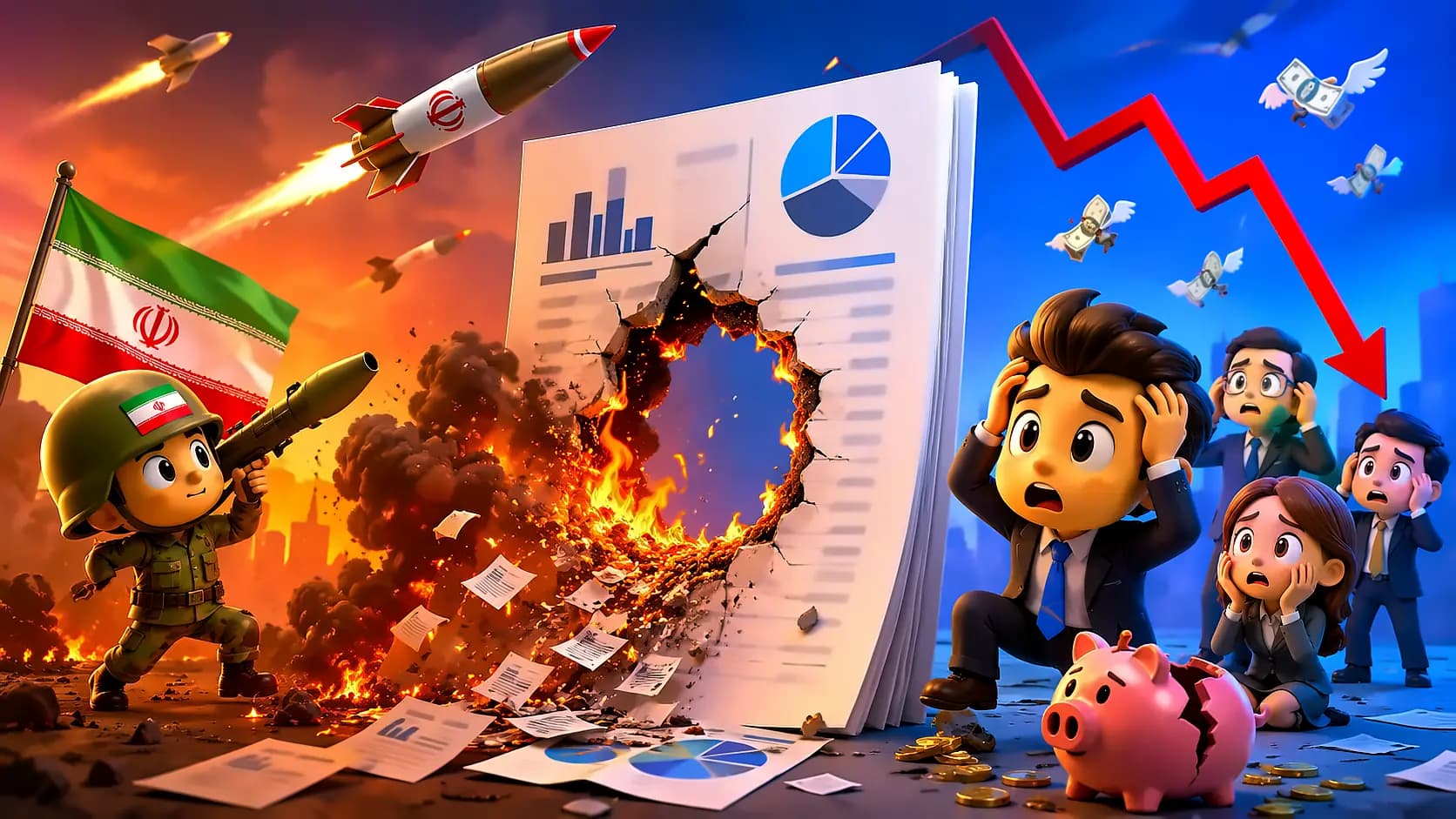
US President Donald Trump has escalated his public pressure on major oil companies to reduce gasoline prices, arguing that recent declines in crude oil costs should be reflected at the pump. In his latest post on Monday, August 3, Trump called on oil companies to lower gasoline prices, emphasizing that the recent decline in crude oil costs should translate into cheaper gasoline for consumers. Speaking to reporters at the White House, Trump singled out both companies by name for capitalizing on tight supply, stating 'They're making too much money based on a shortage. I don't like it.' This represents a continuation of Trump's efforts to influence energy sector pricing policies, with the President specifically demanding immediate reductions in retail fuel prices following recent market developments. Trump's latest appeal comes as Brent crude futures fell more than $4 a barrel to around $83 per barrel, while US West Texas Intermediate crude dropped to about $79 per barrel after Trump postponed a planned military strike on Iran in hopes of reaching a diplomatic agreement. Oil prices dropped on Monday after Trump called off another planned strike against Iran, with WTI crude falling more than 5% to around $80 per barrel and US gasoline futures declining nearly 5%. The average retail price of gasoline in the United States has stayed around $4.10 a gallon over the past week, compared with less than $3 before the United States and Israel launched attacks against Iran in February.
Despite Trump's pricing pressure, ExxonMobil reported second-quarter earnings of $14.5 billion, or approximately $3.48 per share, compared with $7.1 billion a year earlier, representing more than double its profit from the same quarter last year. Chevron earned $12.1 billion during the same period, up from about $2.5 billion in the second quarter of 2025, nearly five times its year-ago result. As reported by Bloomberg, Wirth acknowledged the company's strong performance during his Fox Business Network interview, noting that Chevron achieved record US production and refining throughput during a time when the world energy system has been stressed. However, Wirth warned that average retail gasoline prices rose back above $4 per gallon during July and could remain elevated even if crude prices fall, as so much refining capacity has been knocked offline in recent months. Chevron used part of its windfall to cut debt by a record $8.4 billion, while Exxon returned $9.4 billion to shareholders through dividends and buybacks. During earnings calls on Friday, executives from both companies cautioned that limited refining capacity could keep petrol prices elevated through the autumn.
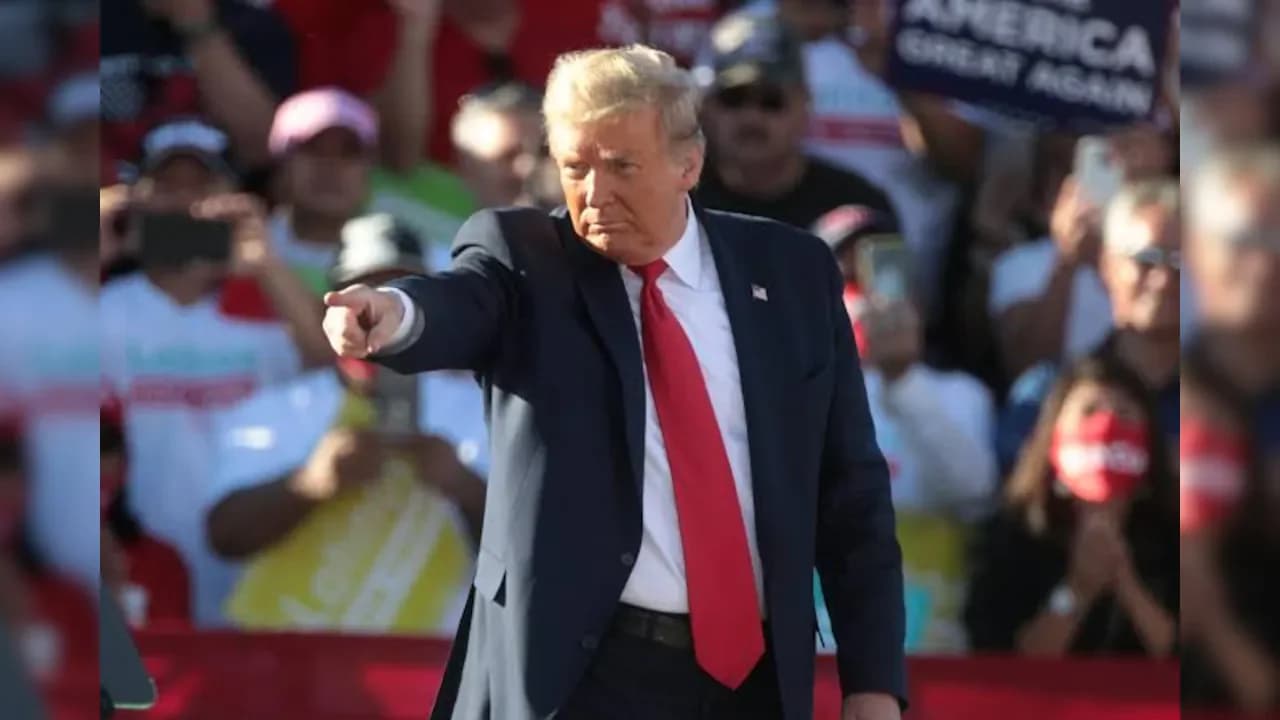
Trump specifically targeted Chevron Chairman and Chief Executive Mike Wirth in a fresh public rebuke over the company's performance and failure to acknowledge administration support. As reported by Bloomberg, Trump criticized Wirth for failing to mention his administration's pro-fossil fuel policies in an interview with Fox Business Network, writing that Wirth 'gave all of the reasons that his company is doing so well,' but failed to credit the 'genius, foresight, strength, and stability' of the Trump administration. The President emphasized that the only thing Chevron CEO 'conveniently forgot to mention is that, without the genius, foresight, strength, and stability, of the TRUMP Administration, the Oil Industry, and our Country itself, would be DEAD!' Trump also pointed to Chevron's renewed operations in Venezuela as an example of what he described as the administration's achievements, stating that 'they threw Mike and Chevron out of Venezuela, but now they're back, far bigger and stronger than ever before, expecting to make a fortune!' Trump concluded by demanding that oil producers immediately lower prices charged to consumers, stating 'That goes for other Oil Companies as well...and get your consumer (retail!) Oil Prices down, now!'
US gasoline prices have climbed by more than 30% since the United States and Israel began strikes against Iran, increasing pressure on household budgets ahead of the midterm elections. Gasoline has followed a similar path, averaging $4.09 a gallon nationwide this week, up from $2.98 before the war, according to AAA data. The Strait of Hormuz remains central to the price outlook because it serves as a major route for global oil and liquefied natural gas shipments, with restrictions, tanker attacks, and the US blockade disrupting normal traffic through the waterway. According to the American Petroleum Institute, fewer than 5% of gas stations are owned directly by major oil companies, meaning they cannot simply order independently owned retailers to slash prices based on social media directives. The American Petroleum Institute defended the industry's earnings, saying fuel prices reflect global market conditions rather than decisions by individual producers, with crude oil costs, refining margins, distribution expenses, and taxes all contributing to retail gasoline prices. Trump said prices would fall sharply if the war ended, though the administration has no direct authority to set the retail prices charged by oil companies or independent fuel stations.
Rising gasoline prices and cost-of-living issues present a political challenge for Trump's Republican Party before the November midterm elections. The party faces potential loss of its House majority and Senate control, making energy policy decisions increasingly politically sensitive. Shares of both companies dipped modestly after Trump's remarks, with Chevron down nearly 2% and Exxon slightly lower, reflecting investor concerns about potential regulatory pressure. While WTI fell below $80 and Brent retreated to roughly $83 after Trump delayed retaliatory strikes, geopolitical uncertainty persists as investors monitor supply disruptions and threats of further military action maintain an oil price risk premium. Trump's latest comments build on earlier actions against the industry, including instructing the Department of Justice to investigate whether major oil companies were overcharging consumers by keeping gasoline prices elevated despite declining crude oil costs. The administration's claims about reviving the American oil industry through policy support continue to influence energy sector discussions, even as market analysts focus on fundamental supply-demand dynamics over presidential directives. The American Petroleum Institute rejected suggestions that individual companies were responsible for higher prices, with Andrea Woods stating that 'fuel prices were being shaped by international market conditions, driven by global supply, demand and continued uncertainty around the Strait of Hormuz and other critical shipping lanes—not by any one company.'