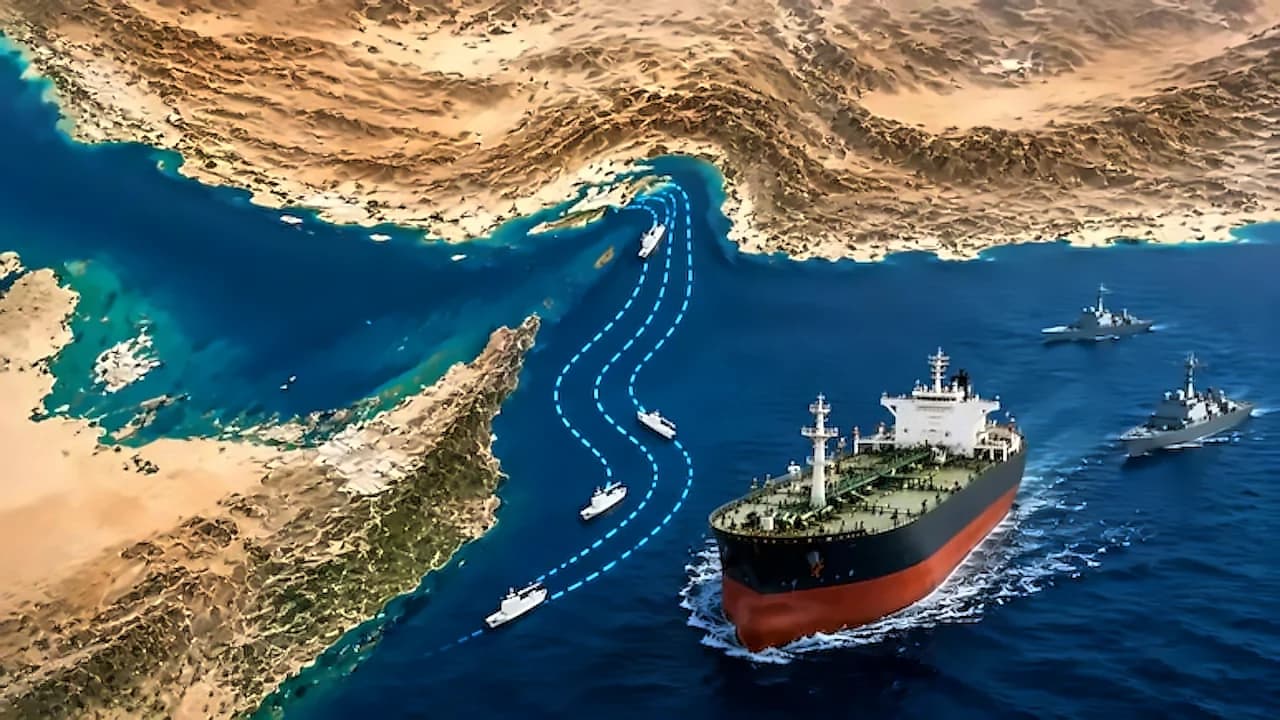
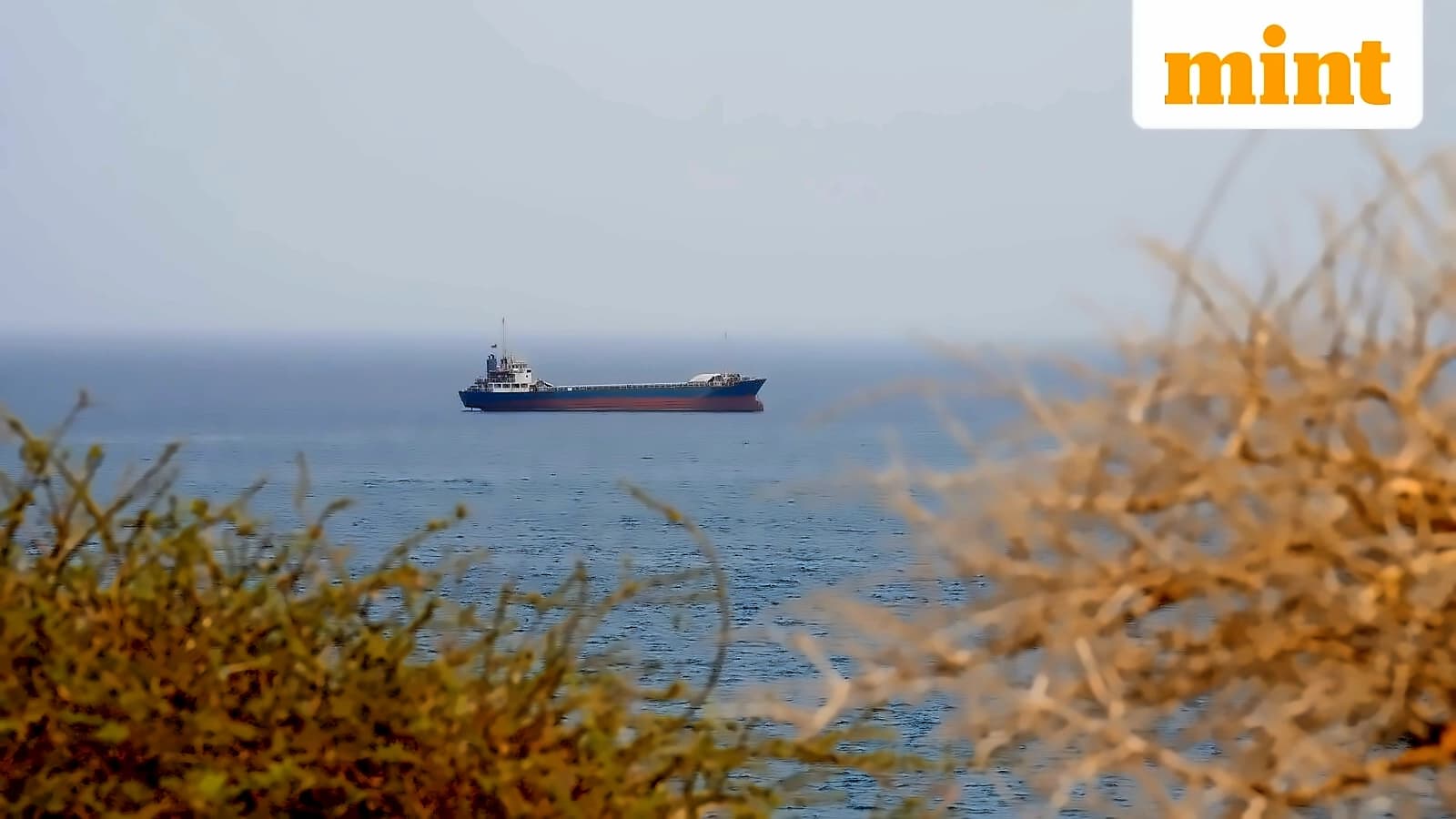
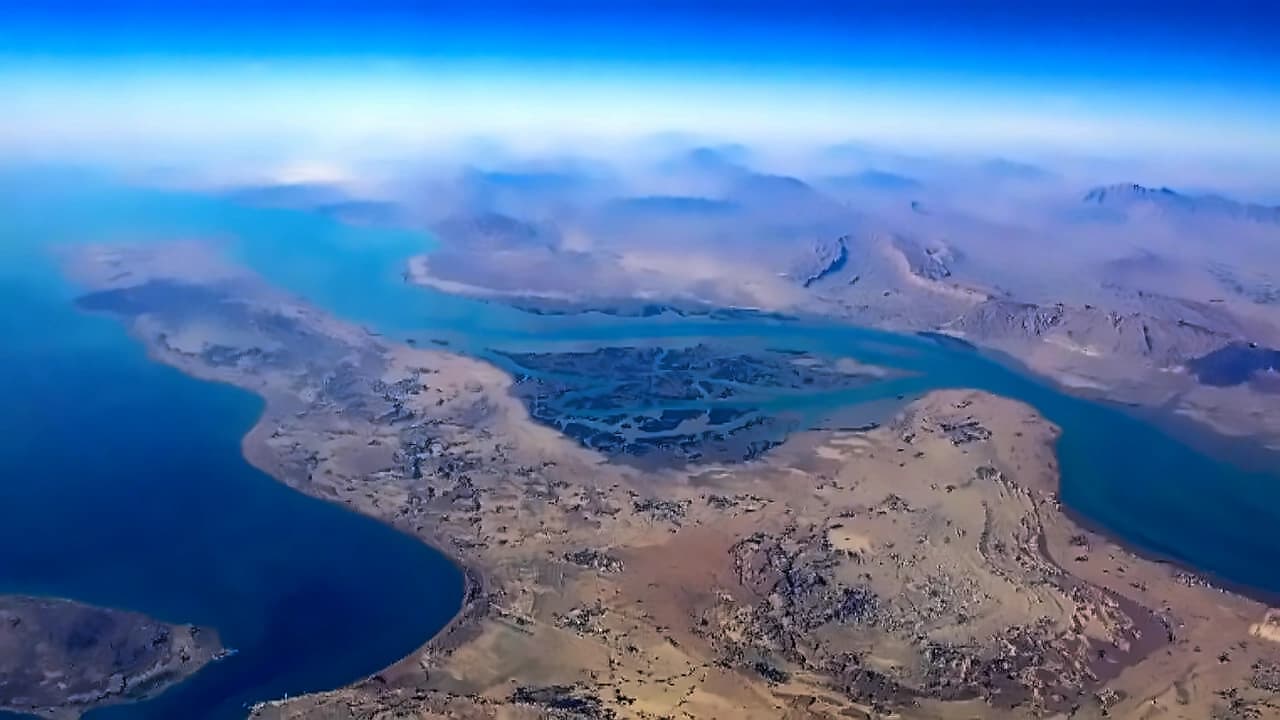
The United States military has overseen scores of secretive ship-to-ship oil transfers to keep Gulf energy exports flowing, using aerial and water drones as well as helicopters in an operation to guide convoys to awaiting tankers. According to reports from Reuters, the operation on the edge of the Strait of Hormuz employs a shuttling technique long used by Iran to skirt sanctions. At least 116 ships have been involved in the transfers since the operation began in early May, with at least 90 million barrels of crude oil and petroleum products moving through the offshore network during this period. The operation involves tankers sailing to meeting points before reaching the strait, then staggering their departures so they are 3,000 to 4,000 meters apart. Their transponders are off and lights are dimmed, with the U.S. military monitoring progress through a series of waypoints. Satellite photos examined by Reuters show as recently as June 11, 17 pairs of ships were observed doing simultaneous oil transfers at the two designated locations, with 12 pairs of ships observed side-by-side in the Gulf of Oman as recently as Tuesday morning. The system relies on a small number of shipping companies willing to sail through the strait despite the Iranian blockade, with operators first going through compliance checks before receiving transit slots and submitting information to the US Navy's Naval Cooperation and Guidance for Shipping office in Bahrain.
President Trump announced that traffic is starting to move through the southern portion of the Strait of Hormuz following a ceasefire agreement, with ships moving along what he described as the 'Southern Highway' that is 'totally safe, secure, and pristine'. Oil prices dropped toward $80 per barrel for international benchmark Brent crude and U.S. benchmark West Texas Intermediate, marking a notable improvement from the highs above $100 per barrel reached during the conflict. However, the average cost for a gallon of gasoline remains $4.06 as of Monday, continuing recent declines but still nearly $1 more than a year ago. As reported by Reuters, the ship-to-ship transfers appear to be part of the Trump administration's efforts to help restore normal oil flows from the Gulf, with the operation involving Very Large Crude Carriers (VLCCs) that pull alongside tankers to begin the oil transfers, which take between 24 and 40 hours to complete. The volumes, based on the tankers' carrying capacities, are still small compared to the pre-war average of about 20 million barrels that passed through the strait daily.
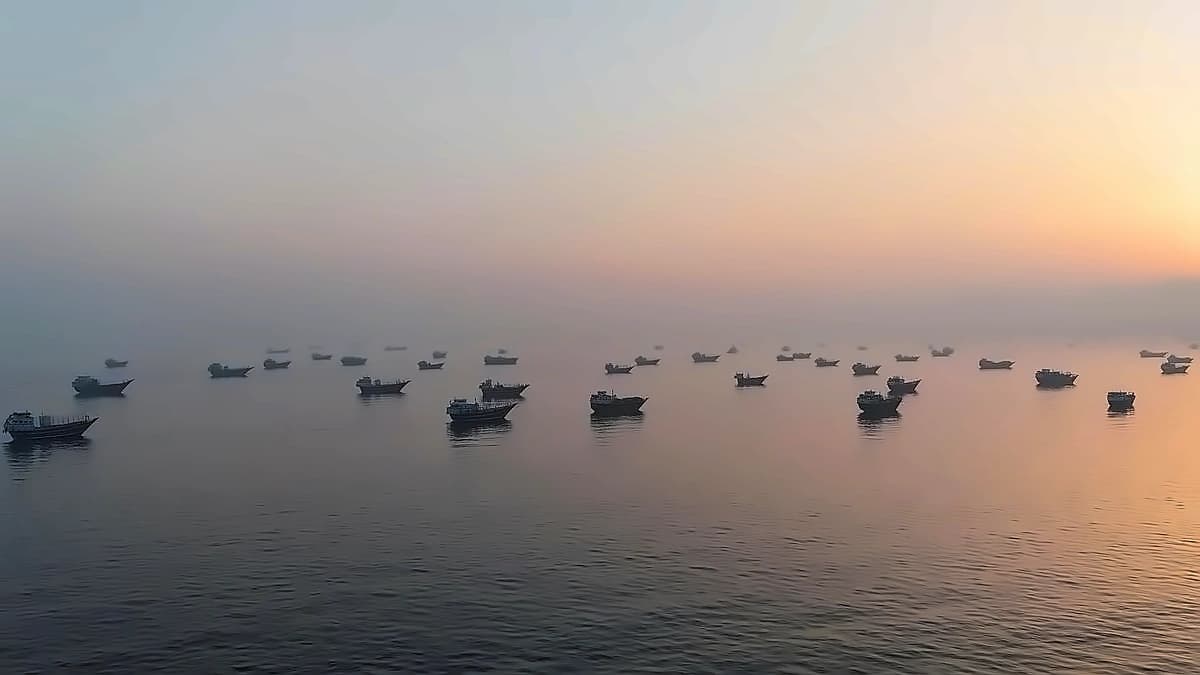
According to Reuters reports, an Apache helicopter downed by Iran on June 9 was involved in the mission, with four sources including a former U.S. official confirming its participation. The helicopter was shot down while the U.S. was conducting the ship-to-ship transfers, with six pairs of tanker ships clustered together in a small area off the port of Sohar the day the Apache was shot down. Both crew members were rescued by a drone boat, U.S. officials said. However, a U.S. defense official denied that Central Command forces are taking part in offshore ship-to-ship oil transfer operations. The operation is risky, with one source noting that "you just don't know when Iran might just decide to start using drones or even gunboats in order to prevent even those ships from transiting the strait." As reported by Reuters, the American transfer operations are fully controlled by the U.S. military, with eight sources with direct knowledge of the operation confirming this. The ship-to-ship technique has been used by Iran for years to bypass sanctions, because it masks the source of the oil. The receiving side of the operation is dominated by international tanker operators, with Greece-based Dynacom Tankers Management among the most active participants, as confirmed by company founder George Procopiou who emphasized "freedom of navigation is essential."
Iran has responded to the U.S.-Israeli war by effectively closing the Strait of Hormuz, through which roughly a fifth of global oil consumption normally passes. As reported by Reuters, this created the biggest global energy supply disruption in history and has spurred inflation around the world. The Persian Gulf Strait Authority, a new Iranian organisation created to oversee the Hormuz Strait, has set limits around the two locations where these transfers occur in the Gulf of Oman close to the Strait of Hormuz's exit. The Islamic Revolutionary Guard Corps may attack ships using drones and missiles if they disobey Iran's commands. Throughout the duration of this US-led operation, Iran has repeatedly fired at the Fujairah port itself. The British maritime risk management organisation Vanguard reports that a tanker off the coast of Oman was hit by an "unknown projectile" this past weekend, causing some cargo leakage but no environmental damage, and the crew was safe. Tehran has demanded the right to start collecting tolls from ships using the strait once the 60-day period ends, while Trump and Vice President JD Vance have said it will operate "toll-free," creating potential diplomatic and legal disputes.
Energy and shipping analysts warn that it will take at least several weeks for the backlog of ships to clear and potentially much longer if captains and shipping companies continue to view the route as vulnerable to attack. According to Lloyd's List shipping data analysis, marine security analysts said commercial shipping lanes will have to be certified as safe before normal traffic patterns can restart. "Industry organisations are warning that mine clearance and a return to the internationally recognised Traffic Separation Scheme are prerequisites for safe navigation," wrote Richard Meade, editor-in-chief of Lloyd's List. The lag between restarting production and exports back to pre-war levels is expected to lead to elevated energy prices for at least the next several months, even as crude exports increase, with consumers not seeing immediate relief at the pump as oil must be transported, refined and distributed before gasoline prices fully reflect lower crude costs. The new system imposes its own risks on the maritime industry, with shipping industry officials noting that this increases the risk of collisions, especially as ships travel at night without lights and at speeds that make it harder to change course quickly.