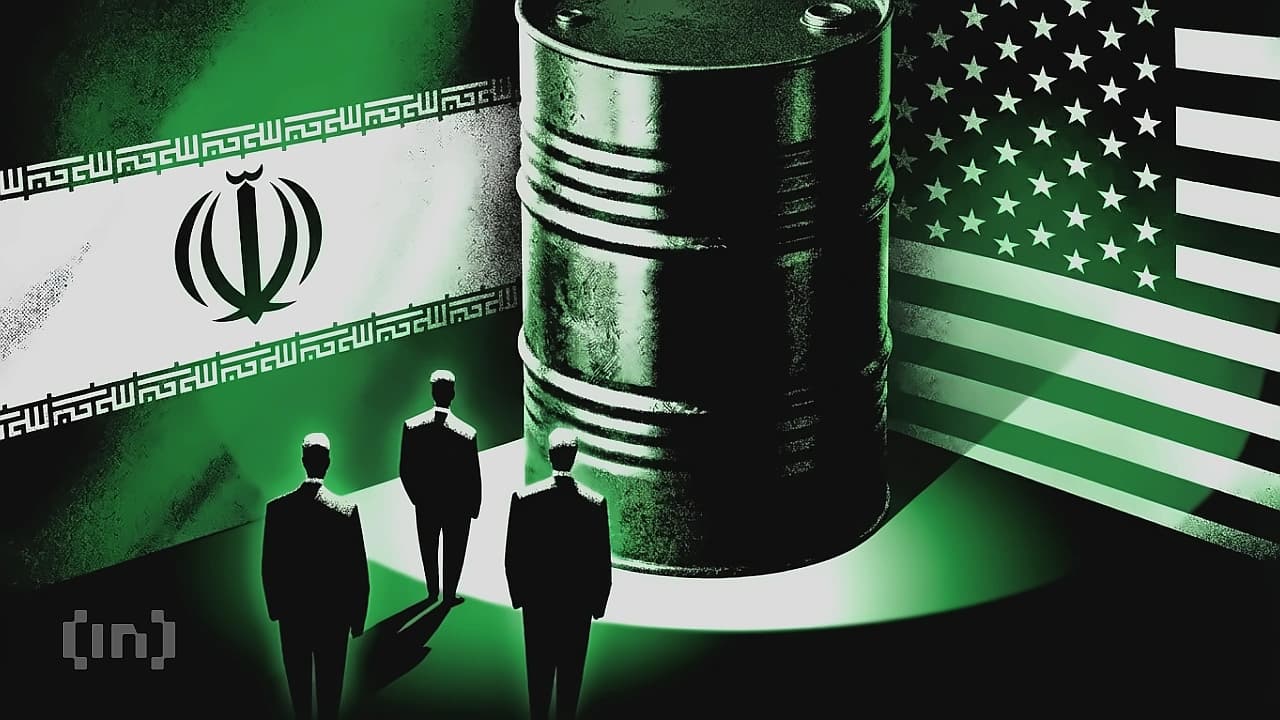
The United States has frozen over $475 million in cryptocurrency tied to Iran's Central Bank as part of a comprehensive sanctions package targeting Tehran's financial infrastructure. The latest action adds four Tron wallets that previously held over $165 million in stablecoins to the sanctions list, with Tether freezing $131 million in USDT held by the accounts. According to Chainalysis, the four addresses received funds from an institutional liquidity provider and an Asia-based payment processor. This latest freeze follows an April action when stablecoin issuer Tether helped the US government block $344 million spread across two wallets, with one wallet holding about $213 million and another containing roughly $131 million. Treasury has now seized or frozen nearly $1 billion in Iran-linked cryptocurrency according to Treasury Secretary Scott Bessent's May statements, significantly expanding from earlier figures of near $500 million after the April USDT action.
The United States has imposed sanctions on more than 50 individuals, companies and vessels allegedly linked to an illicit Iranian sanctions-evasion and oil shipping network, marking a major escalation in Washington's renewed 'maximum pressure' campaign against Tehran. According to the US Treasury Department's Office of Foreign Assets Control, the sanctions target the shipping network of Iranian oil magnate Mohammad Hossein Shamkhani. The measures blacklist six individuals, including Asghar Aghili Dehkordi and Behzad Moghadas, along with 24 entities and 20 vessels accused of facilitating sanctions evasion through a complex network of financial intermediaries, logistics firms, shipping executives and offshore shell companies. Treasury has now sanctioned over 200 people and entities under Shamkhani's patronage, with Bessent describing the network as "one of the regime's most profitable engines, built on deception."
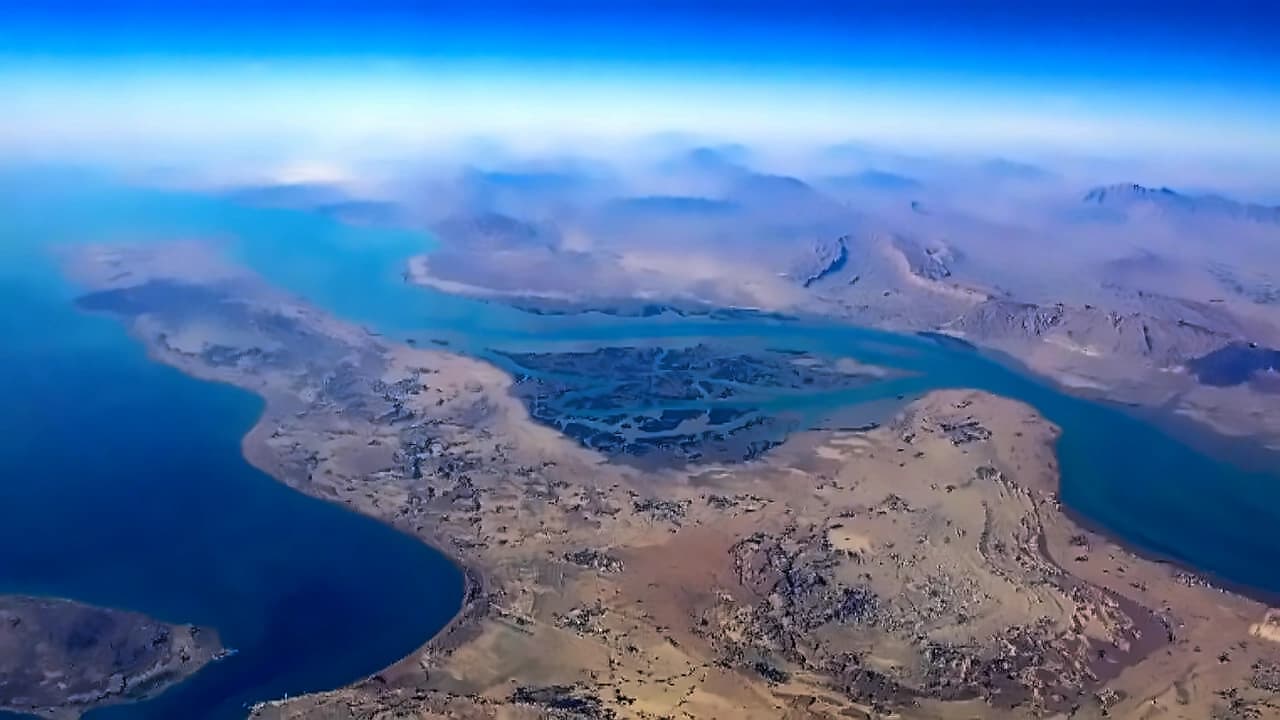
The sanctions landed as military pressure intensified significantly, with US Central Command (CENTCOM) resuming a naval blockade of Iranian ports this week after a June pause in hostilities began to break down. CENTCOM confirmed that more than 20 US Navy warships and hundreds of aircraft now operate across the Middle East. Earlier that afternoon, US forces launched fresh strikes against Iranian military targets to degrade capabilities used to attack commercial shipping in the Strait of Hormuz. The combined financial and military actions signal a widening pressure campaign against Iranian assets and infrastructure, with Trump previously declaring the United States would become the 'guardian' of the Strait of Hormuz and reimpose naval blockades on Iranian ships.
Iran has continued moving oil tankers through the Strait of Hormuz in recent days, even before the United States announced that it would reinstate a blockade on Iranian ports amid escalating hostilities. According to ship-tracking data compiled by Bloomberg, six US-sanctioned supertankers with a carrying capacity of 12 million barrels of crude combined have crossed the Strait of Hormuz into the Gulf of Oman over the past week while keeping their transponders switched off. These vessels, along with other ships linked to Iran, made the voyage after Washington withdrew the temporary waiver that had allowed Tehran to export its oil on July 7. As per The Hindu BusinessLine, Iran's oil exports continue as usual despite the cancellation last week of a 60-day waiver of US oil sanctions, with oil minister Mohsen Paknejad confirming on his official Telegram account on Tuesday that the oil ministry had maintained mechanisms for years to neutralise the impact of US sanctions.
The United Arab Emirates has strongly condemned what it describes as Iran's "brazen" attack on two tankers in the Strait of Hormuz on Monday, killing one crew member and wounding eight others. According to the UAE Ministry of Defence, six of the injured were Indian, while two were Ukrainian, with the ministry stating that "the Ministry of Defense condemns this brazen attack, which constitutes a serious violation and a clear breach of international law, threatening the security and stability of the region." Iran's Islamic Revolutionary Guard Corps (IRGC) later confirmed the strikes via a statement to Telegram, where it said two tankers had ignored warnings, turned off navigation systems and attempted to pass through a mined route. The IRGC added that "co-operation with the aggressor enemy" would only lead to regret, damage and delays in opening the Strait - as well as the "creation of an energy crisis in the world."
Oil prices have surged significantly amid the escalating tensions, with Brent crude up 0.7% at $83.87 per barrel and US-traded oil 0.9% higher at $79.04 in Asian trade on Tuesday. This follows a more than 9% jump in Brent prices on Monday as the conflict escalated. The International Maritime Organization has strongly opposed the proposed 20% toll, with a spokesperson telling Reuters that "IMO stands firmly against charging fees for passage through straits used for international navigation" and that "there is no legal basis through which to introduce mandatory tolls simply to transit through a strait." Trump's announcement could face resistance from US allies who may baulk at the prospect of reimbursing the US and paying 20% of all cargo shipped, while Trump detractors at home and abroad are likely to question why oil prices are rising despite repeated promises to the contrary. The dispute over control of the Strait of Hormuz threatens to derail efforts to end the war, but Trump insisted a deal was still possible, stating "Yeah, I think a deal is possible, sure, I do."