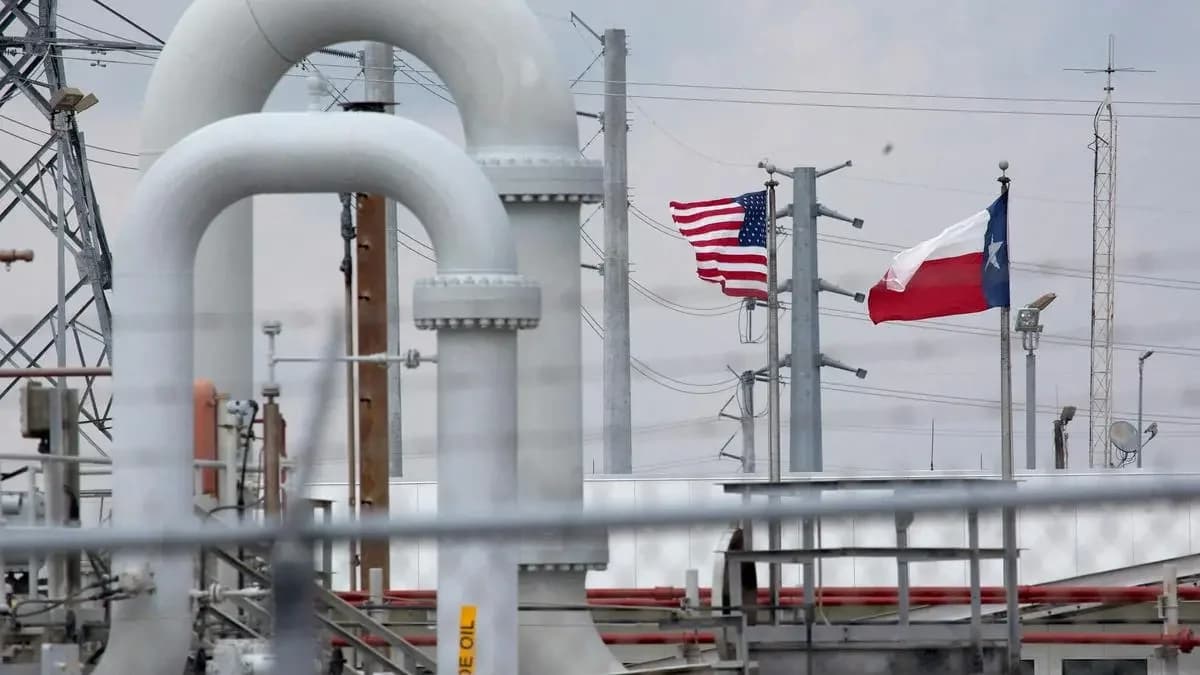
Global liquefied petroleum gas (LPG) prices have begun declining as geopolitical tensions in the Middle East show signs of easing. According to a report by JM Financial, the correction in global LPG prices could reduce India's import bill, improve supply availability and provide a positive tailwind for companies involved in LPG imports, storage and distribution. The US propane benchmark at Mont Belvieu, a key pricing hub for global LPG exports, witnessed a sharp rise during the conflict period but has now declined around 20% from its peak in May 2026. This decline aligns with broader energy market improvements as the US national average gasoline price dropped to $3.999 per gallon Thursday, marking the first time it has fallen below $4 since March 30.
The breakthrough came with President Trump signing a US-Iran memorandum of understanding on Wednesday over dinner at the Palace of Versailles in France, aimed at ending the conflict that disrupted global oil supplies. Iran's closure of the key shipping route in late February cut off roughly 20% of the world's oil supply, sending crude oil and gasoline prices sharply higher. Gas prices climbed above $4 nationwide in late March after most shipping through the strait was blocked, with the national average peaking at $4.56 a gallon on May 21 before beginning a steady decline. The reopening of this critical waterway represents a significant milestone for global energy markets and has contributed to the broader decline in LPG prices. Brent crude settled at $73.87 per barrel on Wednesday, falling below $75 for the first time since February 27 and returning to its pre-war level as commercial shipping through Hormuz recovered to around 25% of pre-war levels over the past five days.
The government on Thursday (June 25) announced significant policy changes to support LPG supply normalization. As reported by JM Financial, it has removed all sector-wise restrictions on the supply of non-domestic packed LPG and restored commercial supplies to levels that existed before the crisis. Additionally, the government has partly restored bulk LPG supplies, which had been suspended when the global supply situation worsened. These measures are expected to further support the positive impact of declining global LPG prices on India's energy sector, particularly as the Strait of Hormuz reopening removes immediate supply concerns that had driven up prices.
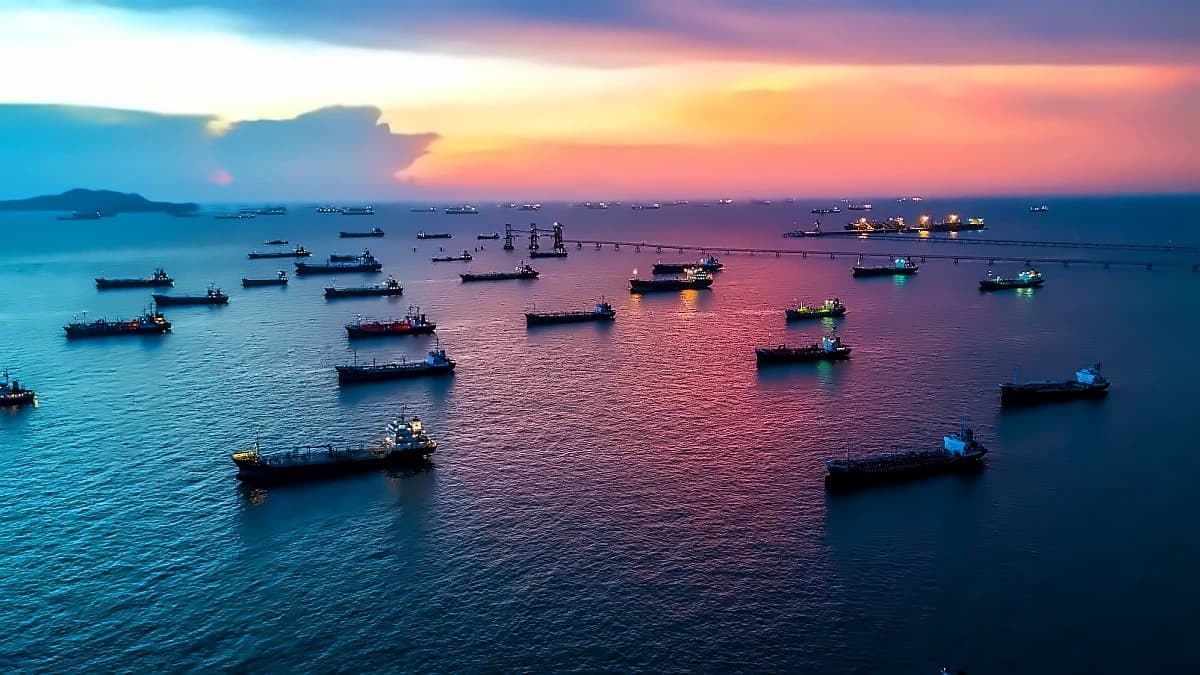
The Strait of Hormuz handles a significant share of global seaborne LPG trade, making any disruption to shipping through the route immediately affect supplies to Asia, including major importers such as India. As concerns over supply interruptions mounted, buyers rushed to secure cargoes, pushing up global LPG rates. The US benchmark pricing for propane (Mont Belvieu) remains about 9% higher than the pre-crisis period, indicating that while immediate emergency premiums have been removed, some supply concerns persist in the market. However, the recent agreement and reopening of the strait are expected to normalize these supply dynamics, with the Islamabad Accord entered into force on June 18 after being digitally signed by Iranian President Masoud Pezeshkian and Trump.
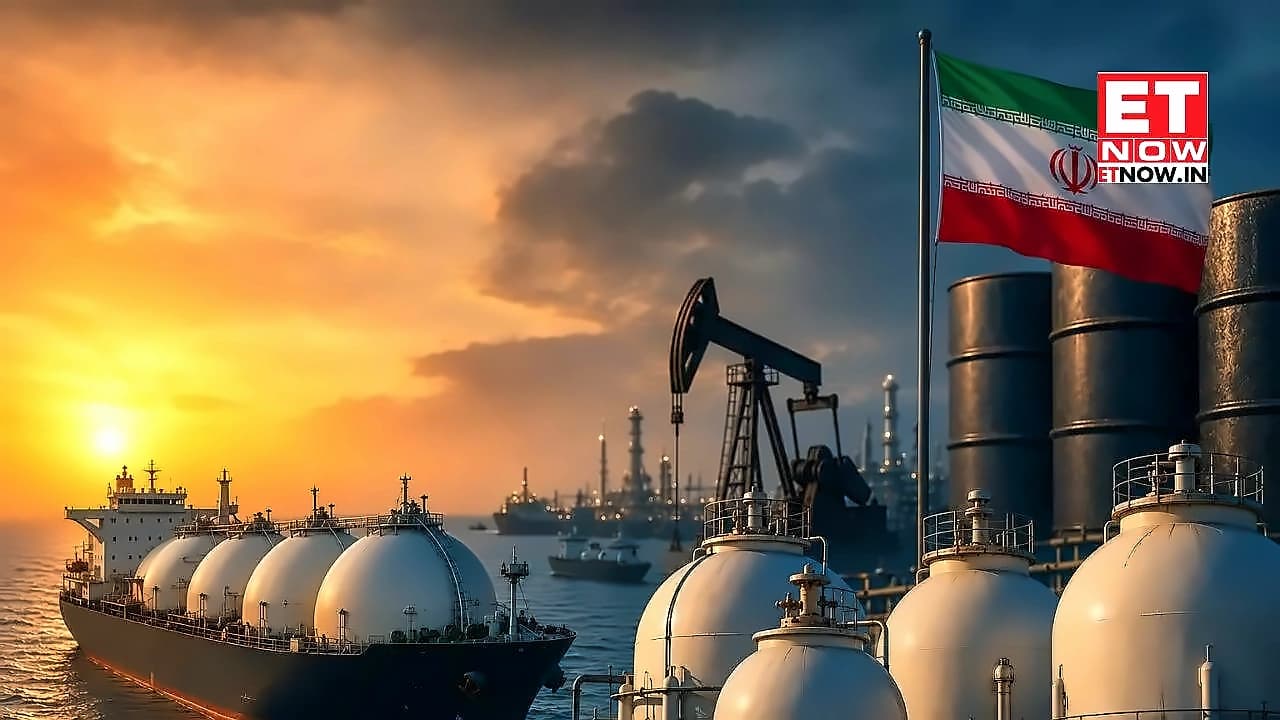
From a stock-specific perspective, key potential beneficiaries include Aegis Logistics, which operates LPG terminals and storage facilities, as well as state-run fuel retailers Indian Oil Corporation, Bharat Petroleum Corporation Limited (BPCL) and Hindustan Petroleum Corporation Limited (HPCL). According to JM Financial, these companies could gain from lower procurement costs and improved supply availability. The sustained decline in prices could also help ease input costs for industries that use LPG and support the profitability of importers, storage operators and distributors, with the broader energy market improvements providing additional tailwinds for the sector.