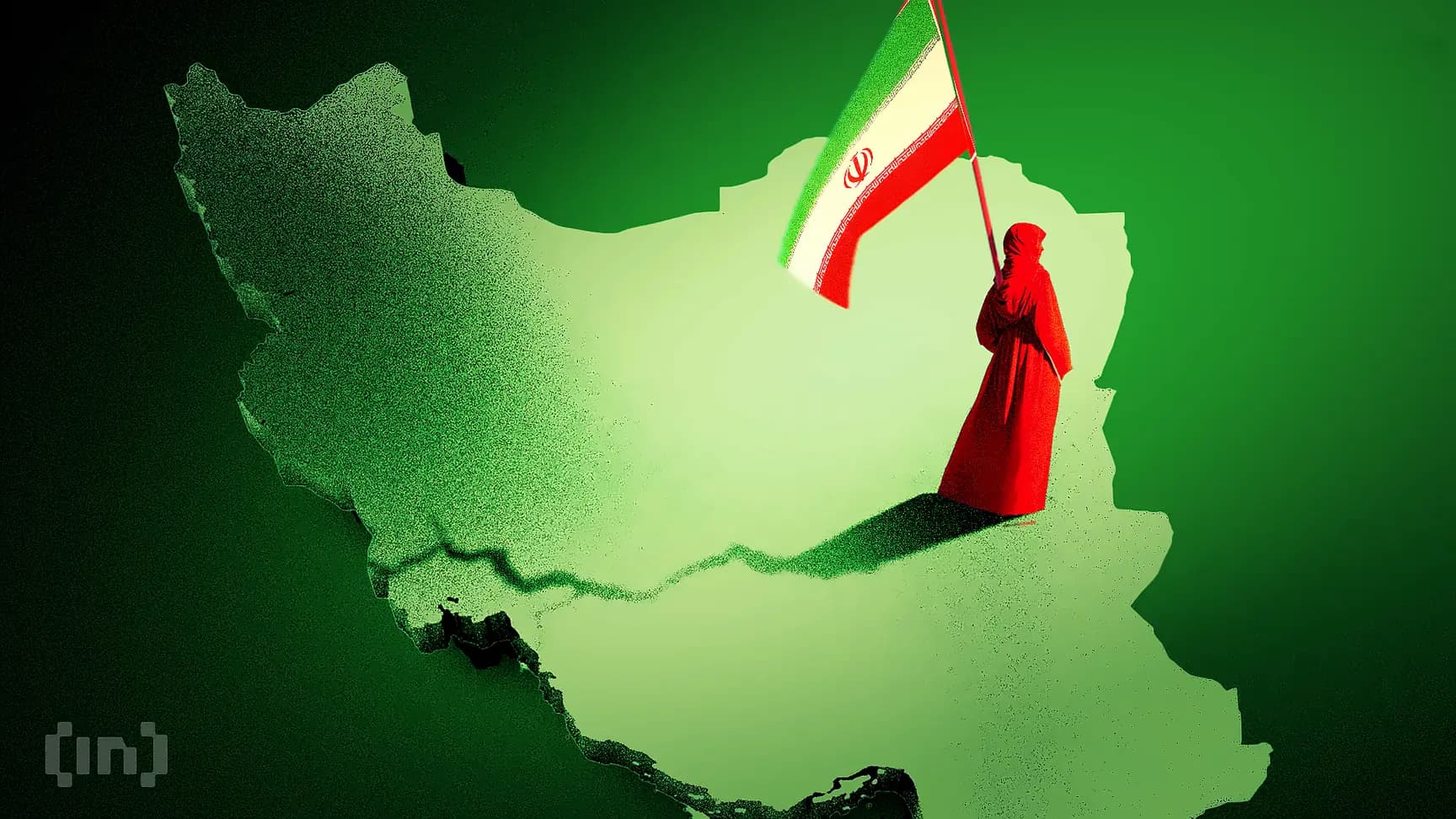
The United States has imposed sweeping sanctions on more than 50 companies, individuals and vessels allegedly linked to Iran's covert banking and oil trade network. According to reports from the U.S. Department of the Treasury, the sanctions were announced on Monday by the Office of Foreign Assets Control (OFAC), targeting Iran's foreign currency exchange operations and petroleum trade. The move represents part of Washington's ongoing 'Economic Fury' campaign designed to choke off critical revenue streams used by the Iranian regime and its proxies.
The sanctions specifically target Amin Exchange, a major Iranian foreign currency exchange house accused of facilitating hundreds of millions of dollars in transactions for already sanctioned Iranian entities, including oil and petrochemical firms. As reported by the Treasury Department, several front companies operating in the UAE, Hong Kong, China and Türkiye were also blacklisted for allegedly helping Tehran evade international sanctions. These entities are accused of generating billions of dollars through illicit oil, petrochemical and financial transactions to fund militant groups and weapons programs.
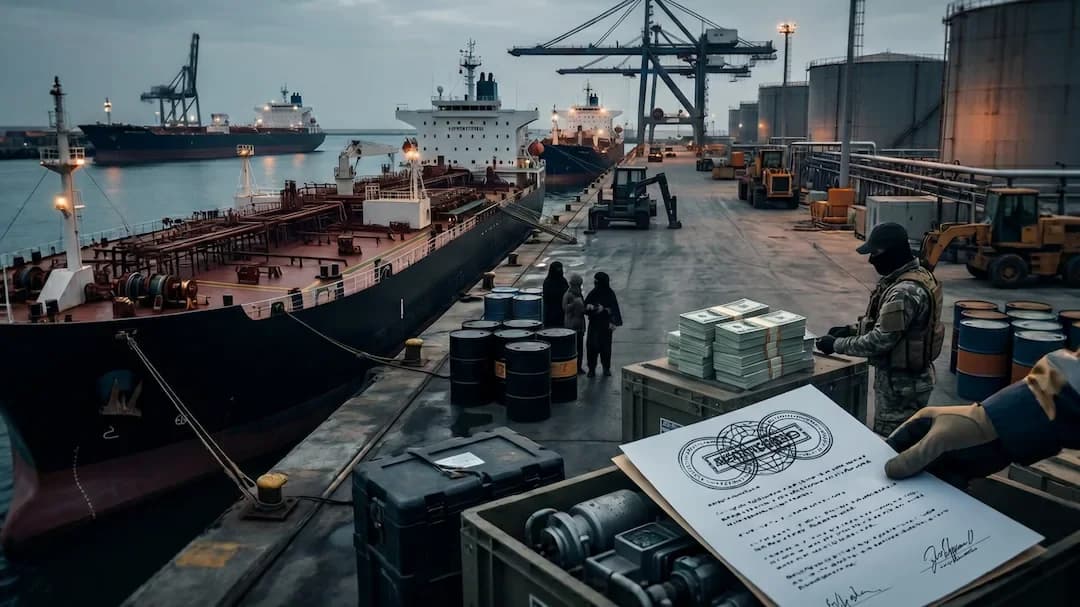
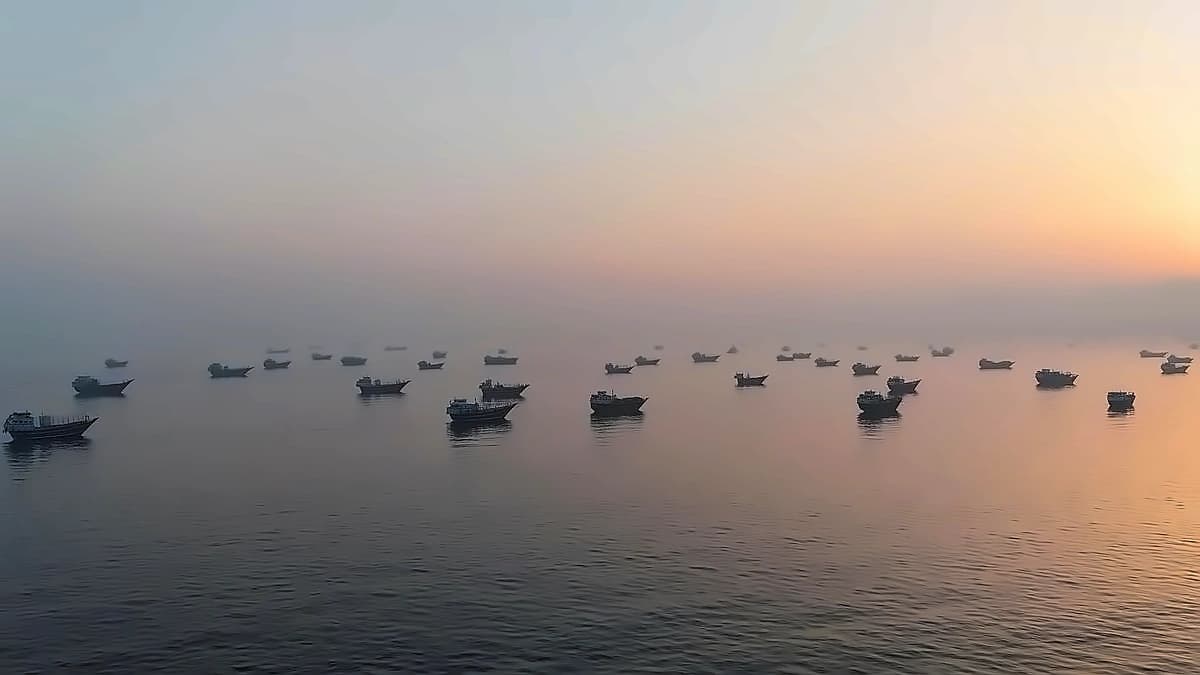
The Treasury Department further imposed restrictions on 19 vessels allegedly involved in transporting Iranian oil, liquefied petroleum gas and petrochemical products to foreign buyers. According to US authorities, these shipments generated hundreds of millions of dollars for Tehran, representing a significant portion of the alleged illicit revenue streams. The sanctions effectively target Iran's shadow fleet operations that have been used to circumvent international trade restrictions.
US Treasury Secretary Scott Bessent emphasized that Iran's covert financial infrastructure continued to bankroll destabilizing activities across the region. As reported by the Treasury Department, Bessent stated that Iran's shadow banking system facilitates the illicit transfer of funding for terrorist purposes. The Treasury warned foreign companies and financial institutions against engaging with Iran-linked entities, cautioning that violators could face secondary U.S. sanctions for their involvement in the illicit network.