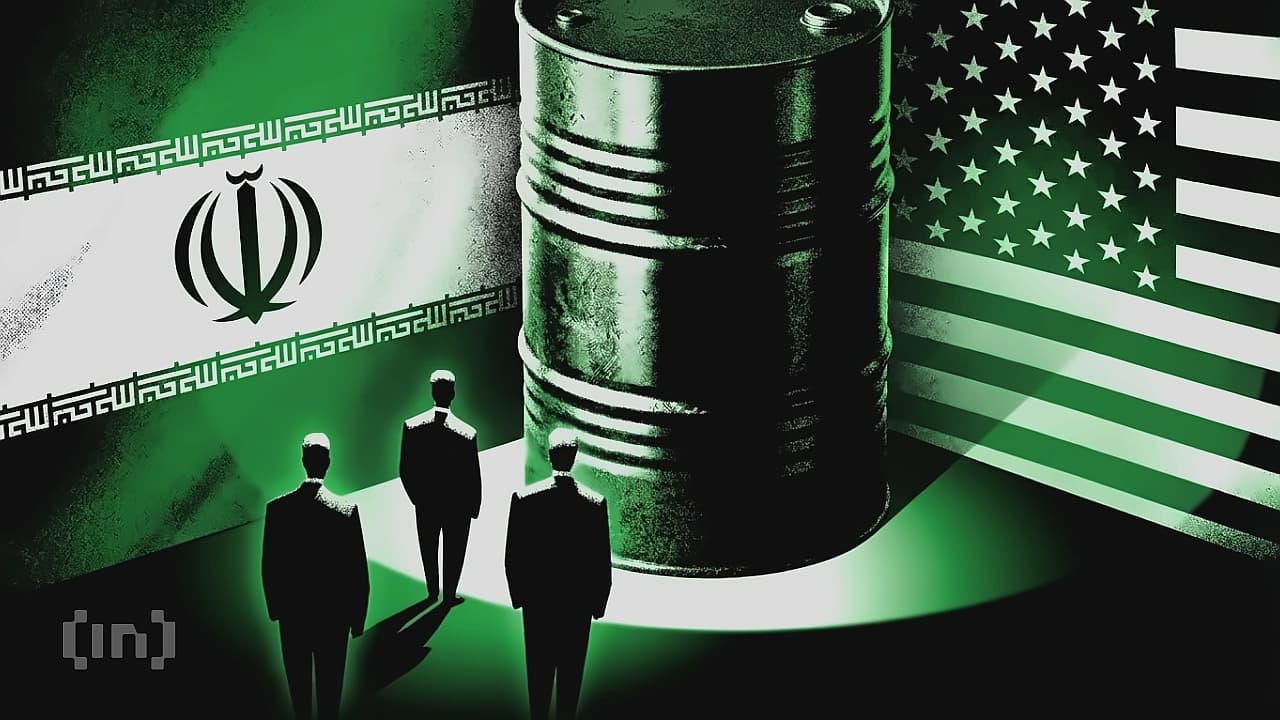
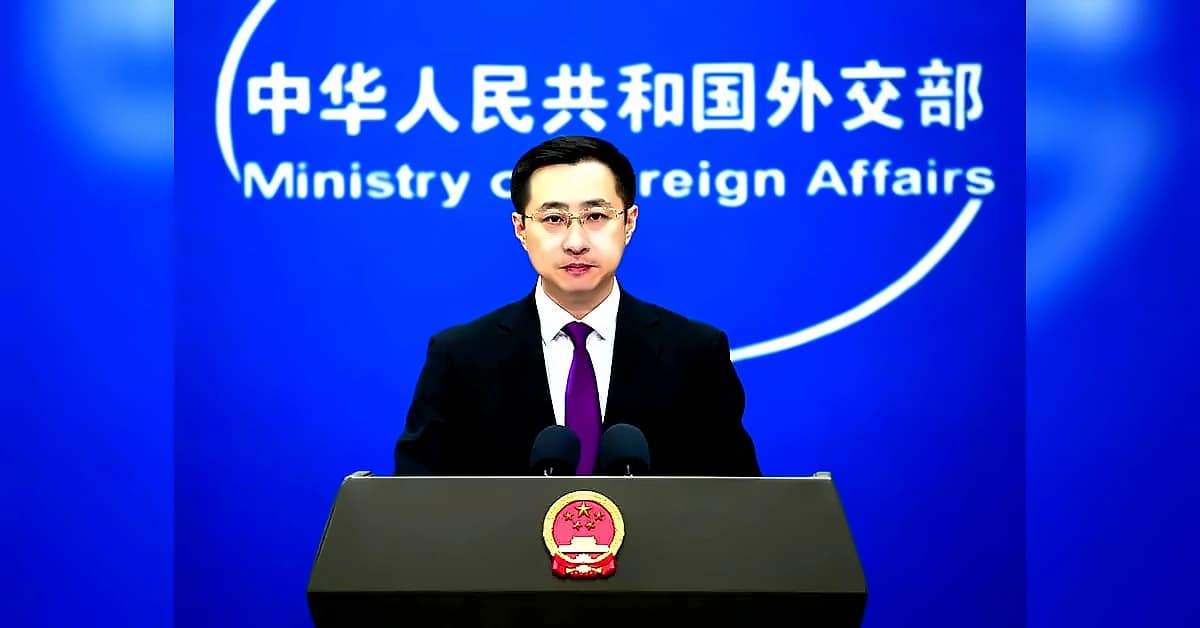
The United States has imposed fresh sanctions on Russia's VTB Bank, accusing it of helping Iran evade sanctions by dealing with sanctioned Iranian banks. According to AFP, the US Treasury Department announced these measures targeting VTB's activities, including establishing correspondent banking relationships with Iranian financial institutions that are already under sanctions. Treasury Secretary Scott Bessent has warned of an 'economic D-Day' against Iran, as Washington intensifies economic pressure on Tehran amid the continuing Middle East conflict. The latest action follows Treasury's warning to foreign banks and financial institutions to sever any remaining ties with VTB, with the restrictions freezing the bank's US-held assets and barring Americans from dealing with the institution.
The US is planning 'decisive strikes' against Iran's underground nuclear facilities following a 'clear surge in construction activity' detected this year near the Natanz nuclear complex, approximately 140 miles south of Tehran, as reported by CNN. US President Donald Trump has threatened to escalate military action, stating that Iran would be 'bombed at a much greater rate' and 'never be able to recover'. Trump also raised the possibility of striking the Pickaxe Mountain site after detecting activity and movements there, telling reporters 'We may hit Pickaxe very soon'. The latest developments include the US blocking Iran's nuclear chief Mohammad Eslami from attending this week's U.N. atomic watchdog conference in Vienna by opposing a sanctions exemption that would have allowed him to travel.
Oil shipments through the Strait of Hormuz are continuing to rise despite the war with Iran, according to US Energy Secretary Chris Wright, offering a fresh sign that Washington is making progress restoring traffic through the critical energy chokepoint. 'The trend in that seven-day rolling average has been going up and will continue to go up,' Wright said at a news conference at a meeting for the U.N. nuclear watchdog Monday, adding that a peak of 17 million barrels in one day he cited September 1 was in fact higher: 'There was one ship not counted. It turned out it was almost spot on 18 million barrels that day.' However, Iran has identified 77 vessels it says violated its rules for navigating the Strait of Hormuz, threatening them with fines, detention or confiscation as shipping through the key oil chokepoint remains severely disrupted by the war. The latest attack on Sunday involved a vessel hit near Hengam Island, south of Qeshm Island, with one crew member killed and four injured according to Qeshm Governor Hossein Amir-Teymouri.
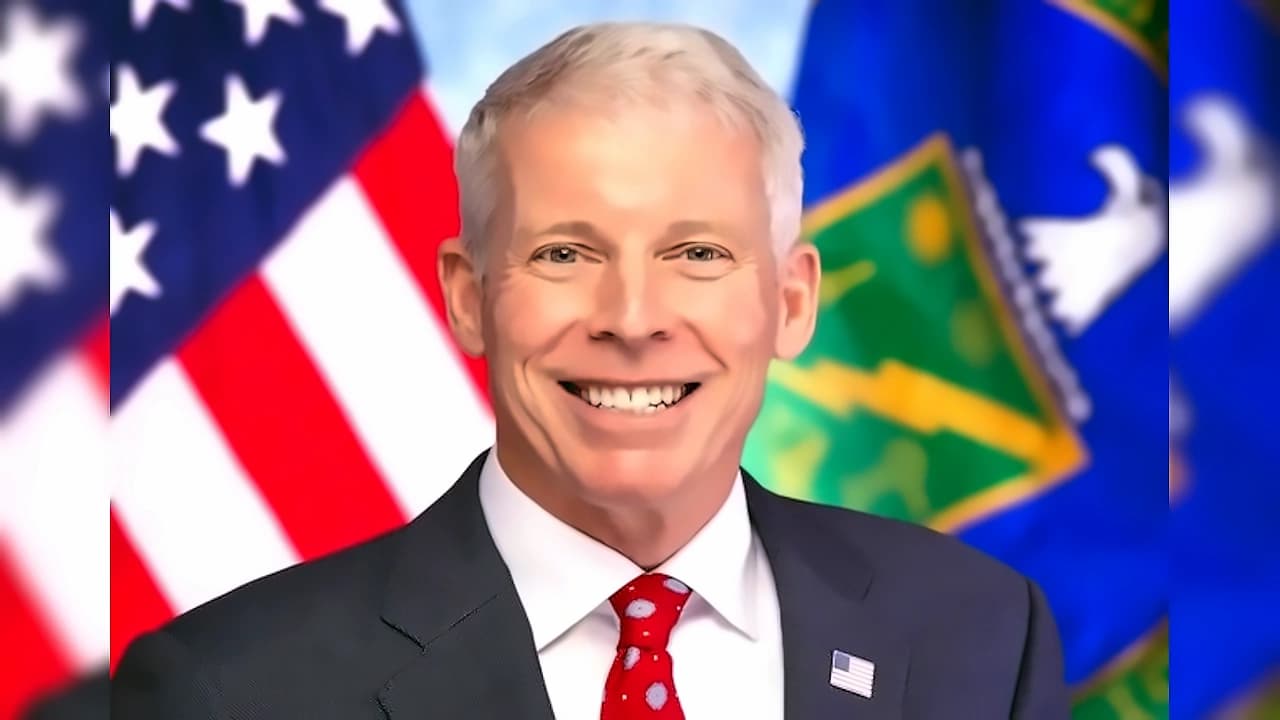
Wright also stated that the nation's oil refining capacity is 'too tight' right now, according to Bloomberg reports. This comment comes after Wright previously stated that the US was open to supplying Iran with nuclear fuel if the country resolves the former's contention regarding its nuclear policy. The Energy Secretary's remarks highlight the current strain on US energy infrastructure amid ongoing geopolitical tensions and the broader global energy supply concerns.
Oil prices surged more than 3% on Monday as attacks on Saudi energy infrastructure and shipping routes intensified fears the Iran war could further disrupt global crude supplies. Brent crude rose $3 to $107.61 a barrel after touching $108.65, while U.S. West Texas Intermediate climbed $2.48 to $102.53. The latest jump followed a drone attack that temporarily shut Saudi Arabia's East-West Pipeline, a critical route used to move crude from the Persian Gulf to the Red Sea while bypassing the Strait of Hormuz. The outage could threaten up to 4% of global oil supply if it persists, with inventories at the Red Sea port of Yanbu sufficient to cover only about five to seven days of exports. The broader confrontation has also affected global energy markets, with the conflict seeing Iran retaliate by restricting traffic through the Strait of Hormuz, a crucial route for global energy shipments, contributing to a sharp rise in oil prices. Higher crude prices have, in turn, pushed up gasoline costs in the United States, adding financial pressure on American consumers ahead of the US midterm elections.