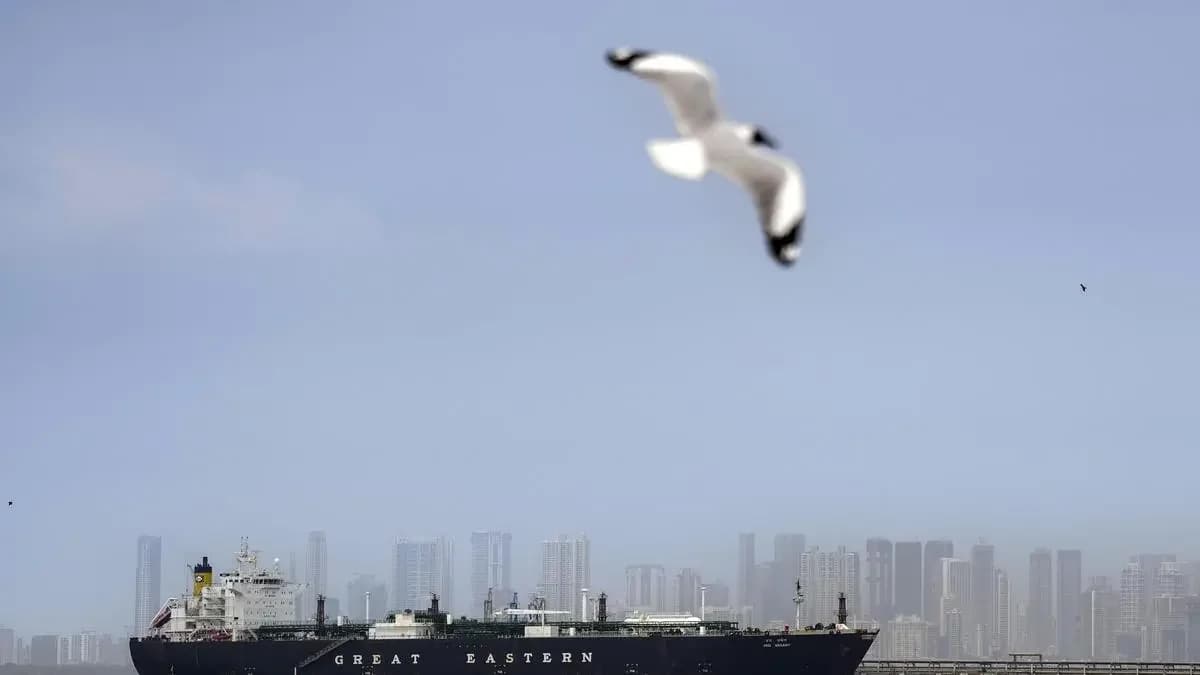
Despite a 14.5% month-on-month increase in total LPG imports, India's import mix underwent significant shifts in August. According to data from Kpler and the Petroleum Planning & Analysis Cell, Gulf suppliers nearly doubled their market share to 29.7% from 16.4% in July. This recovery came as the US maintained its dominant position, accounting for more than half of India's LPG imports at 55.4% in August, despite a 20% month-on-month decline from July levels. The changing import mix reflects a significant shift in sourcing patterns following the disruption in Gulf supplies, with both regions maintaining substantial market presence as India actively diversified its supply base.
The Gulf region's resurgence was led by the UAE, which rose to 15.2% market share in August after falling from 36% in January to 7.6% in July during the crisis period. Algeria demonstrated strong growth with shipments reaching 11.9% market share, while Kuwait accounted for 8.8% and Saudi Arabia maintained a presence despite its share declining from 14.6% in January to zero by July. This recovery comes against the backdrop of disruptions triggered by the Hormuz crisis, which had previously reduced Gulf supplies to India. Before the crisis, nearly 90% of India's imported LPG was sourced from the Gulf, underscoring the region's traditional importance in meeting domestic demand.
The latest US strikes on three Iranian oil tankers mark a significant escalation in Washington's economic campaign against Tehran, moving beyond sanctions and blockade to physical destruction. US forces on September 5 disabled two tankers near Kharg Island and Jask and destroyed a third in the Gulf of Oman, according to US Central Command. The strikes followed Iranian ballistic missile attacks on US naval forces that caused no American casualties. CENTCOM commander Adm. Brad Cooper warned Washington was prepared to impose an "even higher economic cost" on Tehran. Iranian crude loadings have fallen dramatically to roughly 220,000–255,000 barrels per day in August, down from about 740,000 bpd in July and peaks close to 2 million bpd before the conflict.
On the demand side, India's LPG consumption rose 3.2% month-on-month to 2.42 million tonnes in August, marking a six-month high. However, consumption remained significantly below year-ago levels, with demand declining 16% year-on-year. According to Rystad Energy, the current monthly average demand from March 2026 till August 2026 stands at 862 thousand barrels per day, representing an almost 20% drop from pre-war levels of 1042 thousand barrels per day. The supply crisis led to an increase in LPG prices and government measures to minimize LPG use in alternate industries, resulting in demand destruction. Despite the significantly longer transit times from the US, which now takes 30-45 days compared to the previous 3-4 days from Gulf countries, the Mont Belvieu pricing framework provides Indian Oil Marketing Companies with operational flexibility and cost insulation.
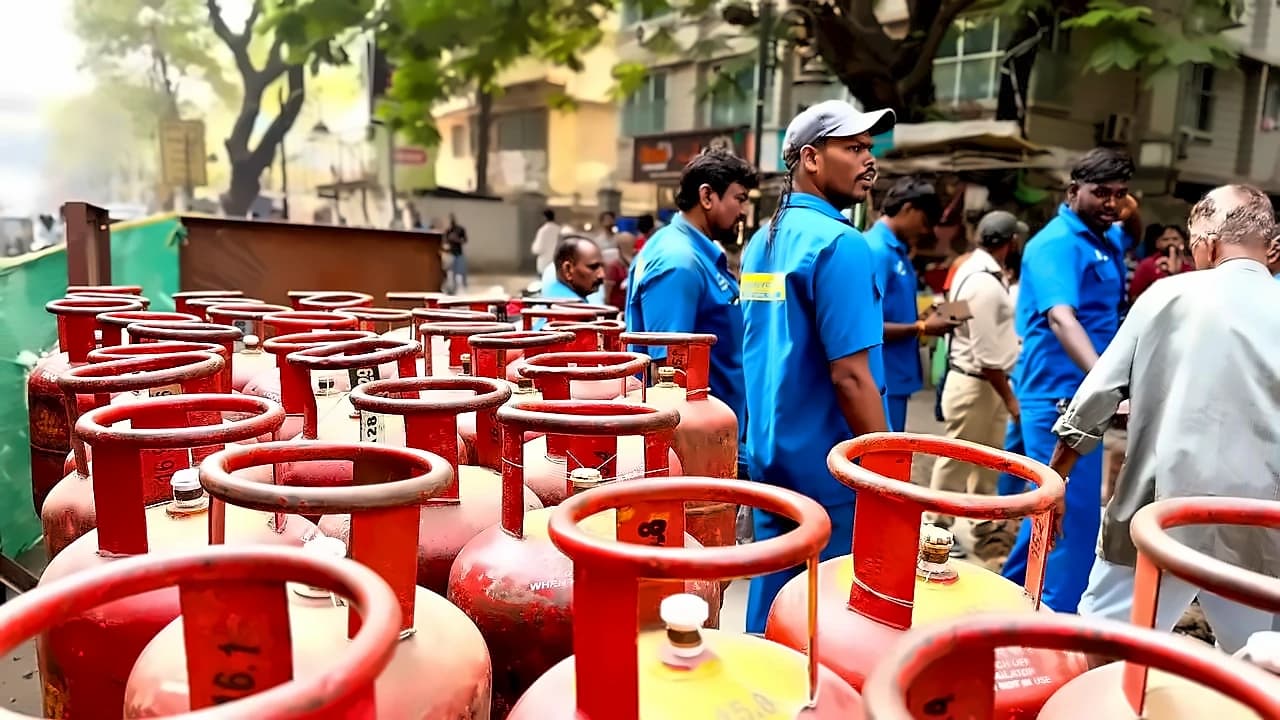
The data indicates that while Gulf suppliers are gradually regaining market share, US cargoes continue to play a crucial role in India's LPG supply chain, reflecting a significant shift in sourcing patterns following the disruption in Gulf supplies. According to Kpler analyst Natalia Katona, August showed meaningful improvement in Gulf supplies to India with deliveries rising to account for about 44% of LPG imports while US shipments fell by 20% month-on-month. The US maintains its position as the world's largest LPG exporter, with its propane being cheaper than Asian alternatives even before the war. Looking ahead, experts expect the US share to decline if Gulf supplies continue to recover, but security around the Strait of Hormuz remains the main uncertainty. The government has reportedly asked Indian Oil, BPCL and HPCL to source at least 15% of their LPG imports for 2027 through annual agreements with US suppliers, with India planning to source up to 25% of its LPG imports from the US in 2027.