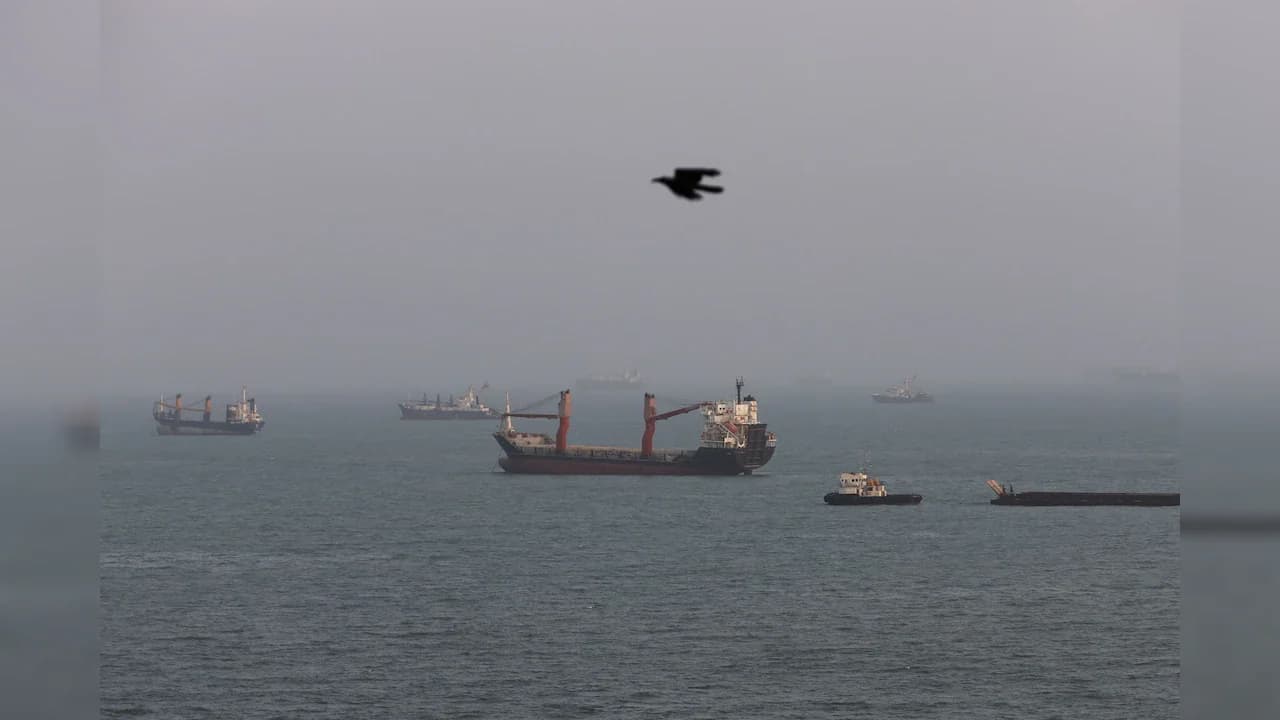
The United States and Iran have agreed to halt recent hostilities and renew talks, marking a significant development in the ongoing tensions in the Strait of Hormuz. According to Reuters, this diplomatic breakthrough follows several days of tit-for-tat strikes since an Iranian projectile hit a cargo vessel in the strait last week, with both sides accusing each other of breaking an interim ceasefire. The agreement has provided relief to global markets, with Europe's STOXX 600 index rising 0.1% in morning trading and U.S. S&P 500 futures climbing 0.7% on Monday. As per Reuters, this development has helped oil prices fall after spiking earlier in the day following renewed attacks between the two sides.
Asian refiners are now offering Middle Eastern crude cargoes to U.S. West Coast markets as supply from the Persian Gulf recovers with the reopening of the Strait of Hormuz. According to Bloomberg reports, some Asian buyers are looking to offer now-available crude from the Middle East to U.S. states, including California and Hawaii, where imports have been absent since 2018 and 2025 respectively. The move comes as Asian buyers now have enough non-Middle Eastern crude lined up to arrive over the next two months, making spot purchases from the Middle East less urgent amid still uncertain developments about how open the Strait of Hormuz really is. Ironically, Asian refiners had picked up a lot of U.S. crude between March and May to offset lost Middle East supply, but are now offering excess Middle Eastern crude to the United States where inventories at Cushing, Oklahoma, and in the Strategic Petroleum Reserve have dropped to multi-decade lows.
West Asia producers are maintaining oil export operations despite recent security incidents in the Strait of Hormuz. According to shipping data from LSEG, a fourth Very Large Crude Carrier (VLCC) capable of carrying 2 million barrels of oil was seen loading at Saudi Arabia's Ras Tanura terminal on Monday, even after a helicopter crash on Sunday killed 14 people. Three other VLCCs have loaded oil and gone dark since leaving the terminal over the weekend, with one supertanker emerging Monday and heading for Japan. Two VLCCs entered the strait on Sunday and have docked at a United Arab Emirates terminal to load crude, as reported by The Hindu BusinessLine. Crude oil production in the Middle East is estimated to have rebounded to between 14.6 million barrels per day (bpd) and 15 million bpd earlier this month amid the ceasefire between Iran and the United States.
Iran is accelerating oil loadings following Washington's 60-day sanctions waiver on its exports. According to maritime intelligence firm Windward, Tehran loaded simultaneously at both of its export terminals at Kharg Island on Saturday for the first time in nearly a week. Iranian-flagged VLCCs Dan and Hawk entered the strait on Saturday, while about 8 million barrels of Emirati and Qatari crude moved out on four VLCCs during the weekend, as reported by Kpler data. Rising exports from the Gulf region, which accounts for a third of the world's oil supplies, are sending global oil prices lower, with Brent crude down 22% for the month and trading around $72.20 a barrel - its lowest level since the conflict began. Iran has renewed loadings from Kharg Island, its key oil export port in the Gulf, after the U.S. waived the sanctions on Iranian oil sales, including in U.S. dollars, until August 21.
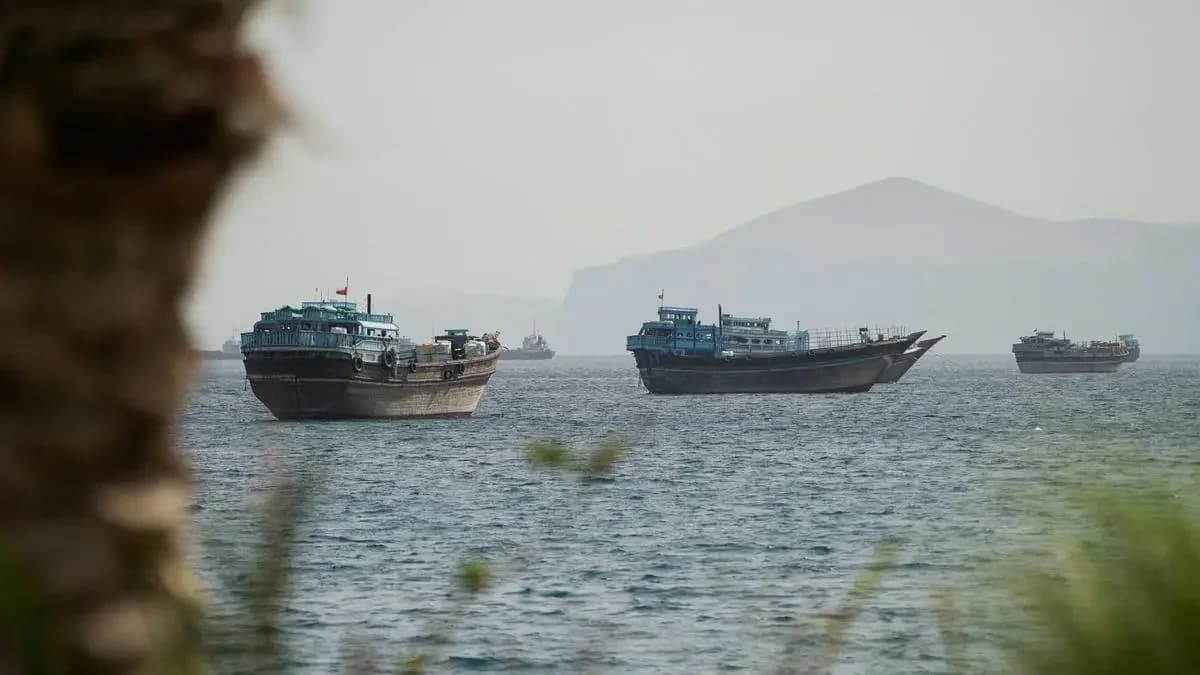
Liquefied natural gas exports from the region are also maintaining continuity despite security concerns. According to Kpler ship-tracking data, two additional ballast tankers appeared on ship-tracking data in the west of the strait on June 26 after going dark, while two other loaded LNG tankers have exited Hormuz. The Al Kharaitiyat is heading to Kuwait after loading at Qatar's Ras Laffan terminal, while another QatarEnergy-controlled vessel, the Al Kharsaah, is waiting off Qatar. The ADNOC-controlled Mraweh, which loaded at UAE's Das Island on June 21, is scheduled to deliver its cargo to India's Dahej terminal on July 5, as reported by LSEG and Kpler data.
The diplomatic breakthrough has provided relief to global markets, with European stocks and U.S. futures ticking higher on Monday. As per Reuters, Mohit Kumar, chief European economist at Jefferies, noted that "the market can take some relief in the lower oil prices and its impact on the global economy." Lower oil prices are expected to lead to a diversification trade and growth-sensitive sectors which have suffered in recent months should outperform. However, rising odds of a Federal Reserve rate hike due to measures of inflation jumping in the U.S. and elsewhere have lifted the dollar index to 101.25, just below the one-year high it touched last week. Asian markets have also responded positively, with South Korea's KOSPI down 0.2% and Japan's Nikkei up 0.15%. Asia is also slowing the buying of U.S. cargoes for July, amid rising supply from the Middle East and the U.S. benchmark WTI becoming more expensive than key Middle Eastern grades, including Abu Dhabi's Murban.