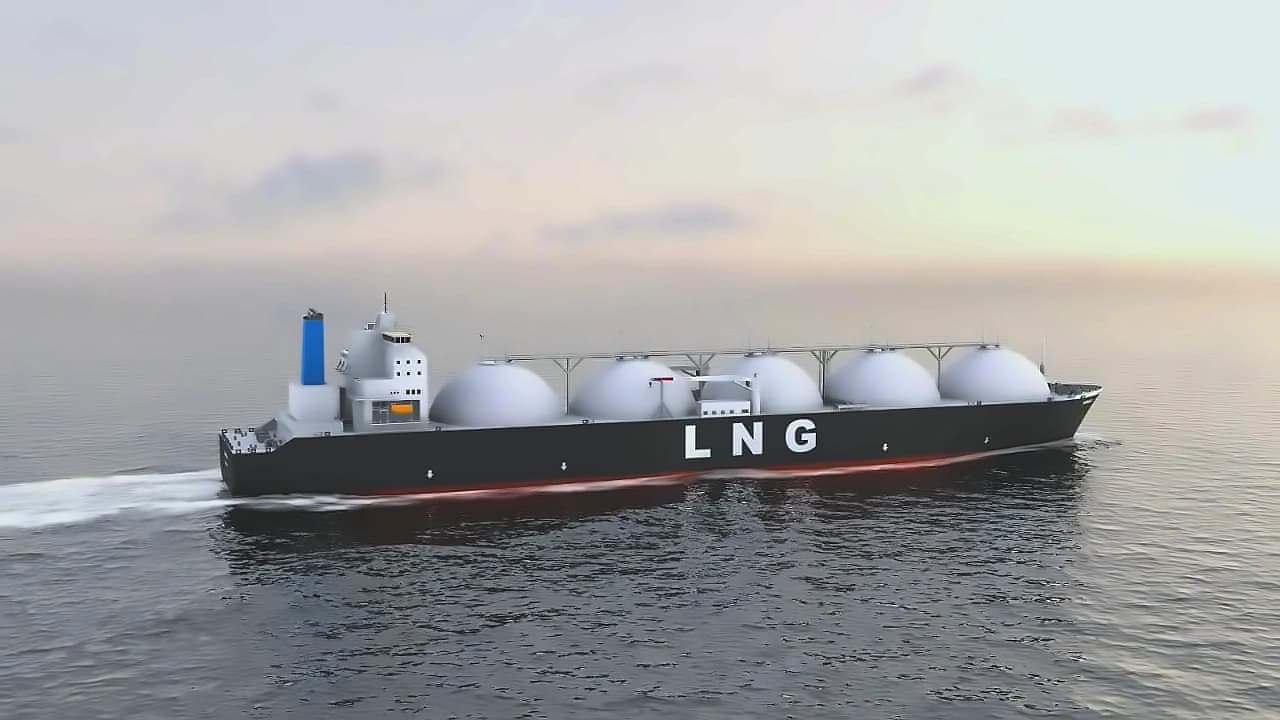
India's liquefied petroleum gas imports from the United States surged to a record high in July, with the country supplying 0.91 million tonnes, accounting for more than 73% of total imports, according to data from maritime intelligence firm Kpler. This represents a dramatic shift from India's traditional sourcing patterns, as the country ramped up LPG imports from the US as supplies from its traditional Gulf suppliers remained constrained amid the ongoing US-Iran conflict and closure of the Strait of Hormuz. The US emerged as India's largest LPG supplier during the month, followed by the UAE and Iran, with overall LPG imports falling 39% from pre-conflict levels to 1.24 million tonnes.
The supply disruption has been severe, with imports from the UAE, historically India's largest LPG supplier, plunging more than 80% from pre-conflict levels to 0.1 million tonnes in July, while shipments from Iran stood at 0.09 million tonnes. Supplies from Qatar, Saudi Arabia and Kuwait also remained limited during the month. As reported by Reuters, New Delhi faced its worst LPG shortage earlier this year after the Iran war and closure of the Strait of Hormuz disrupted supplies, with the government forced to divert petrochemical feedstocks from industry to households. Lower supplies from West Asia curtailed India's LPG consumption to about 14.7 million tons in January-June 2026, down about 8% from a year earlier, while imports fell about 28% to about 7.5 million tons.
India has accelerated its diversification strategy, with cargoes arriving from newer suppliers such as Argentina and Algeria to offset the supply constraints from traditional Gulf producers. State refiners Indian Oil Corp, Bharat Petroleum Corp and Hindustan Petroleum are expected to issue tenders within one to two months for US LPG supplies in 2027, with a delegation from these companies likely to travel to the United States next month to discuss sourcing arrangements. Indian Oil Corp is now taking the initiative further by seeking ownership of gas carriers to support increased sourcing, looking to acquire a 50% stake in very large gas carriers (VLGCs) with capacity of 80,000 to 93,500 cubic metres that are no more than 12 years old. The vessels will be reflagged to India after acquisition, with IOC holding a pre-bid meeting on August 5 and commercial bids due by September 7.
Unlike LPG imports, India's crude oil imports remained resilient despite West Asia supply disruptions, with the country importing around 5 million barrels per day in July, broadly in line with pre-conflict levels. Russia remained India's largest crude oil supplier in July, accounting for 55.5% of total crude imports, followed by the UAE at 0.46 million bpd and Saudi Arabia at 0.42 million bpd. The top five suppliers — Russia, the UAE, Saudi Arabia, Venezuela and Brazil — together contributed more than 80% of India's crude oil imports during the month. However, higher global oil prices have increased the country's import bill, with India's crude oil import bill rising 48% year-on-year to $14.7 billion in June despite lower import volumes, as the Indian basket crude price averaged $85.47 per barrel in June, up from $69.77 a barrel a year earlier.
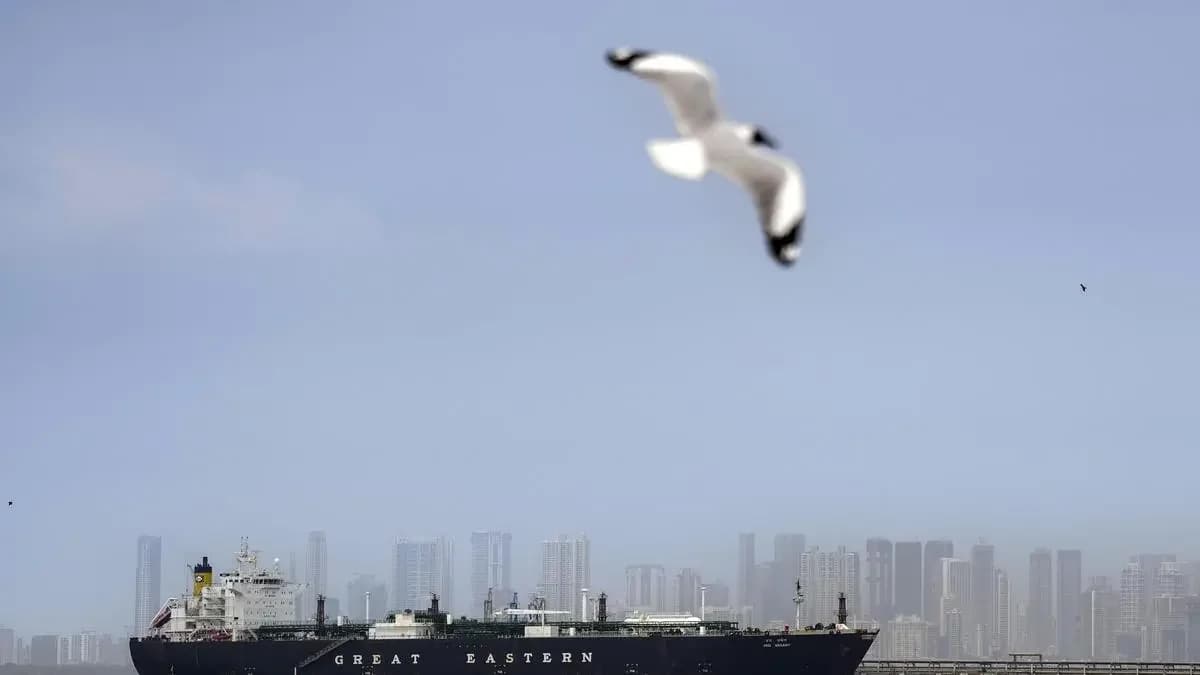
Higher US energy purchases could help India narrow its trade surplus with Washington, a key demand from President Donald Trump, as New Delhi pushes to complete a long-awaited trade deal with Washington in the next three to four months. As reported by Reuters, India has pledged to increase US energy purchases by $10 billion to $25 billion in the near future, and the two nations have agreed to target $500 billion in bilateral trade by 2030. The diversification strategy also aligns with ongoing India-US trade negotiations, with both countries working toward finalizing a bilateral trade agreement over the next few months. Junior Oil Minister Suresh Gopi told lawmakers that diversification of LPG imports is being pursued to ensure supply security and mitigate risks arising from regional disruptions or geopolitical events.
Demand is expected to recover in 2027, with LPG consumption projected to rise to around 31 million tonnes and imports increasing to nearly 20 million tonnes, driven by improved supply availability. According to Reuters, this year India's LPG consumption is expected to decline to 30 million tons due to low supplies, but recovery is anticipated as supply disruptions from the Middle East have weighed on domestic consumption. The government's proactive approach to energy security through strategic sourcing demonstrates its commitment to reducing dependence on volatile Middle Eastern supplies while strengthening India-US trade ties. However, as noted by Business Standard, US LPG is typically more expensive for Indian buyers because of the longer voyage and higher freight costs, with the biggest challenge being freight rates rather than availability.