President Donald Trump announced he is weighing whether to ease sanctions on Chinese oil companies that buy supplies from Iran, marking a potential concession to Beijing following his summit with President Xi Jinping. According to Bloomberg, this move would represent a significant shift in US policy toward China, particularly regarding energy trade with Iran. Trump stated that 'there is no free lunch in this world, the removal of sanctions will definitely have to response with Chinese influence on Iran to Trump's demands.' The consideration comes as the administration faces mounting pressure from global energy markets amid ongoing supply disruptions.
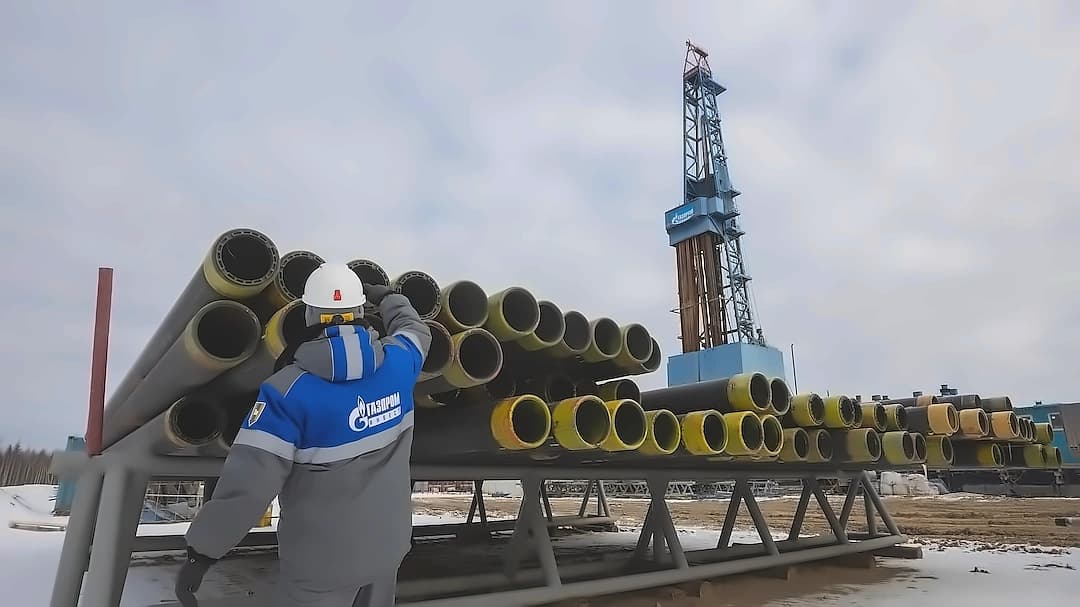
The Trump administration allowed a waiver that encouraged more Russian crude sales to lapse, effectively ending a brief period where the administration eased sanctions on some Russian oil. According to reports from Bloomberg, the Trump administration issued an initial waiver in March and a second after the first expired in April — both applying only to a subset of Russian oil that had already been loaded onto tankers. The expiration comes as the Iran war stokes concerns about global oil supplies and higher fuel costs, with the administration also allowing a separate temporary waiver enabling purchases of some Iranian crude to expire in April. As reported by Bloomberg, the decision was made despite the risks of rising fuel prices and heightened fears regarding global oil supplies.
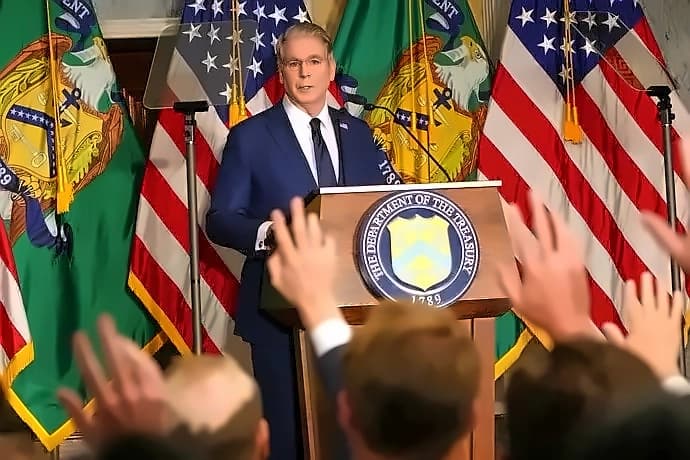
Treasury Secretary Scott Bessent in April initially said the US would not renew the sanctions waiver allowing purchases of some Russian crude before ultimately issuing a new authorization two days later. According to Bloomberg, Bessent told a Senate committee that the change occurred after more than 10 of the most vulnerable and poorest countries in terms of energy supply approached him seeking an extension. He has called the previous moves necessary to ensure stability in global energy markets amid the Middle East conflict. The publication notes that Russia's oil exports rose to a maximum in over a month, reflecting the impact of the sanctions relief. Just as in April, lobbying from Asian allies and more tightening in the oil market could still prompt the administration to issue a new waiver later.
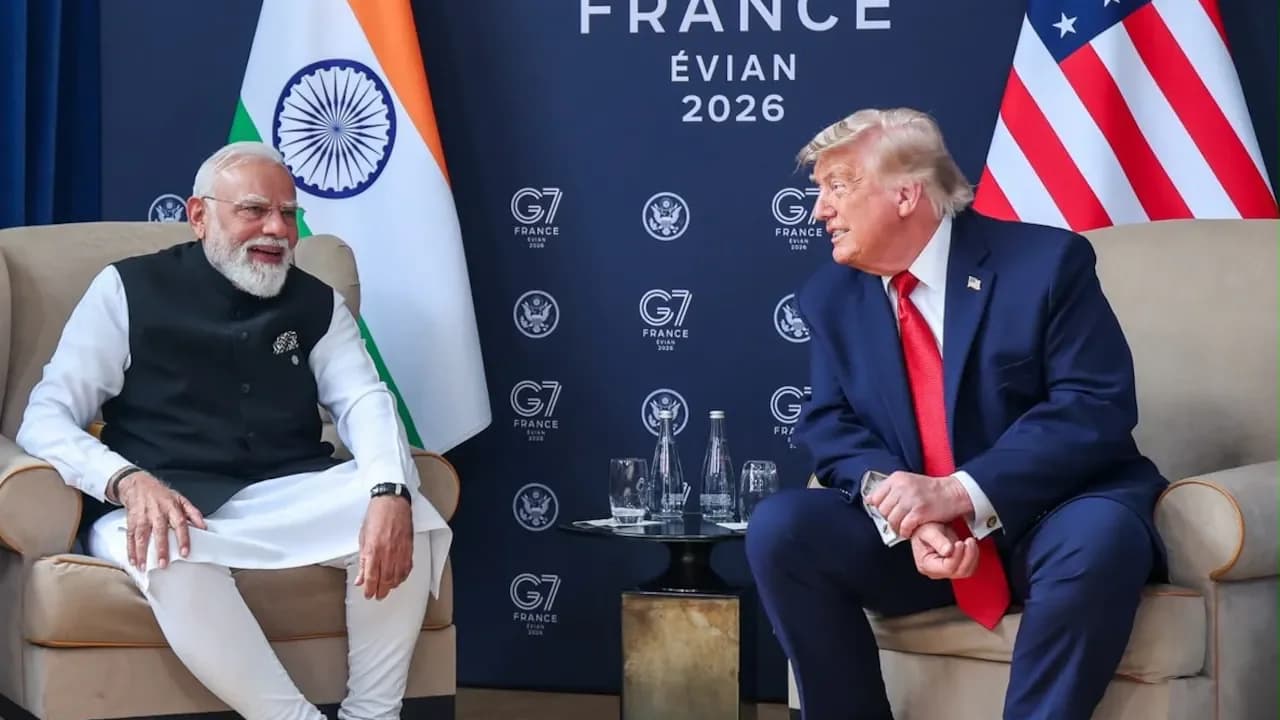
The waivers have been controversial, especially with European allies who see sanctions as essential to starving Russia of crude revenue and depriving Moscow funding for its war in Ukraine. As reported by Bloomberg, critics say the sanctions relief has served to enrich Moscow — even though it's been limited to waterborne oil — especially as crude prices surge. However, some countries, including India and Indonesia, had lobbied the Trump administration for extended sanctions waivers, as the Iran war and the near-total closure of the Strait of Hormuz are depriving global markets of millions of barrels of oil daily. The Trump administration has also pivoted on the issue, responding to entreaties from countries heavily reliant on crude imports, with Treasury Secretary Scott Bessent initially saying the US would not renew the sanctions waiver before ultimately issuing a new authorization.
Brent crude, the global benchmark, has surged since the Iran war began, driving higher prices for gasoline, diesel and other products made from it. As reported by Bloomberg, supply disruptions related to the Strait of Hormuz have forced some buyers, including the US, to seek new shipments. The US government has taken several steps to mitigate the effects of the energy shock, which the International Energy Agency has called the largest supply disruption in the history of the oil market. The Trump administration is allowing foreign vessels to transport crude oil and other goods between American ports until mid-August, and it's also temporarily waived certain domestic fuel requirements to address the market tightness.