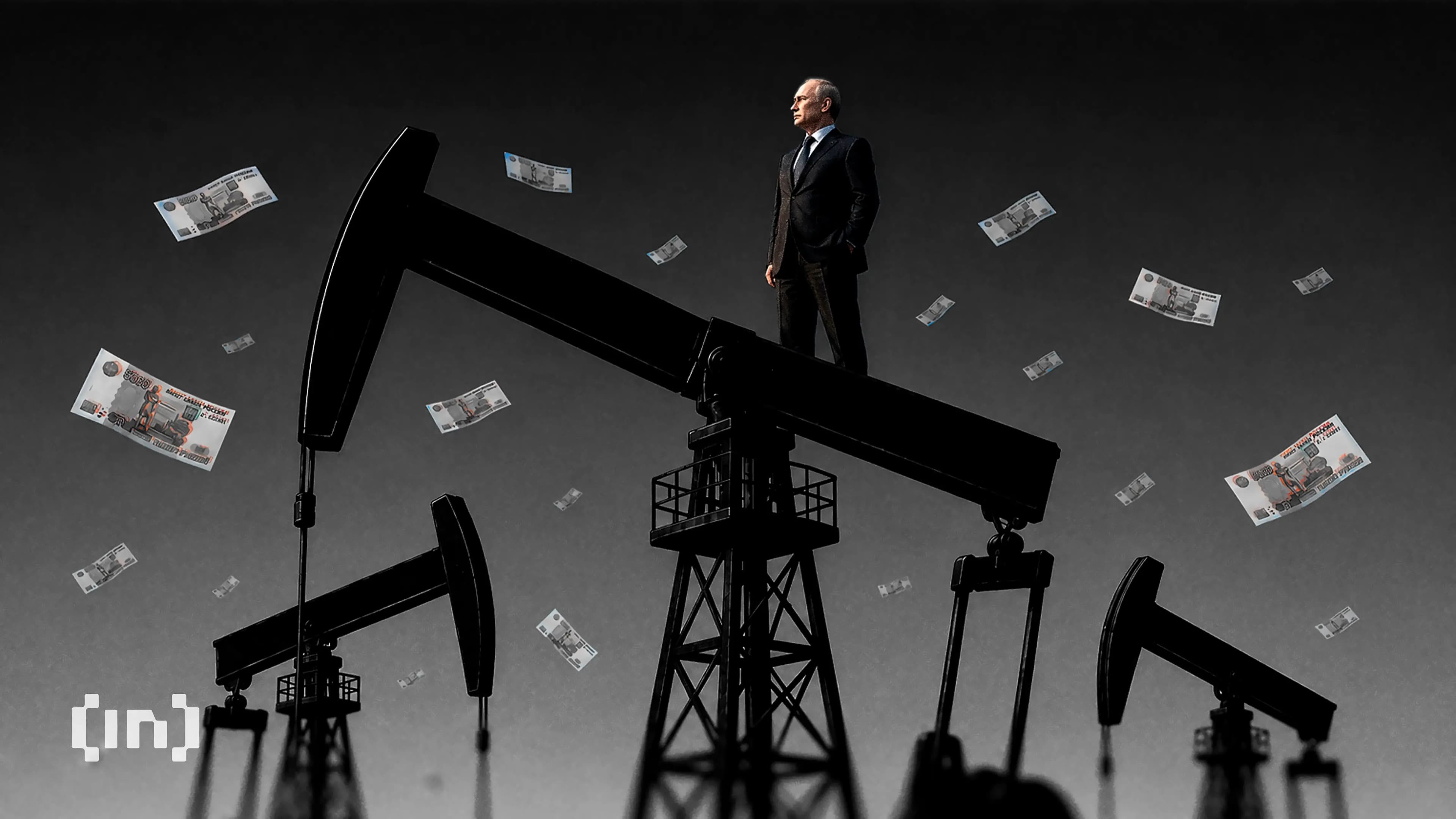
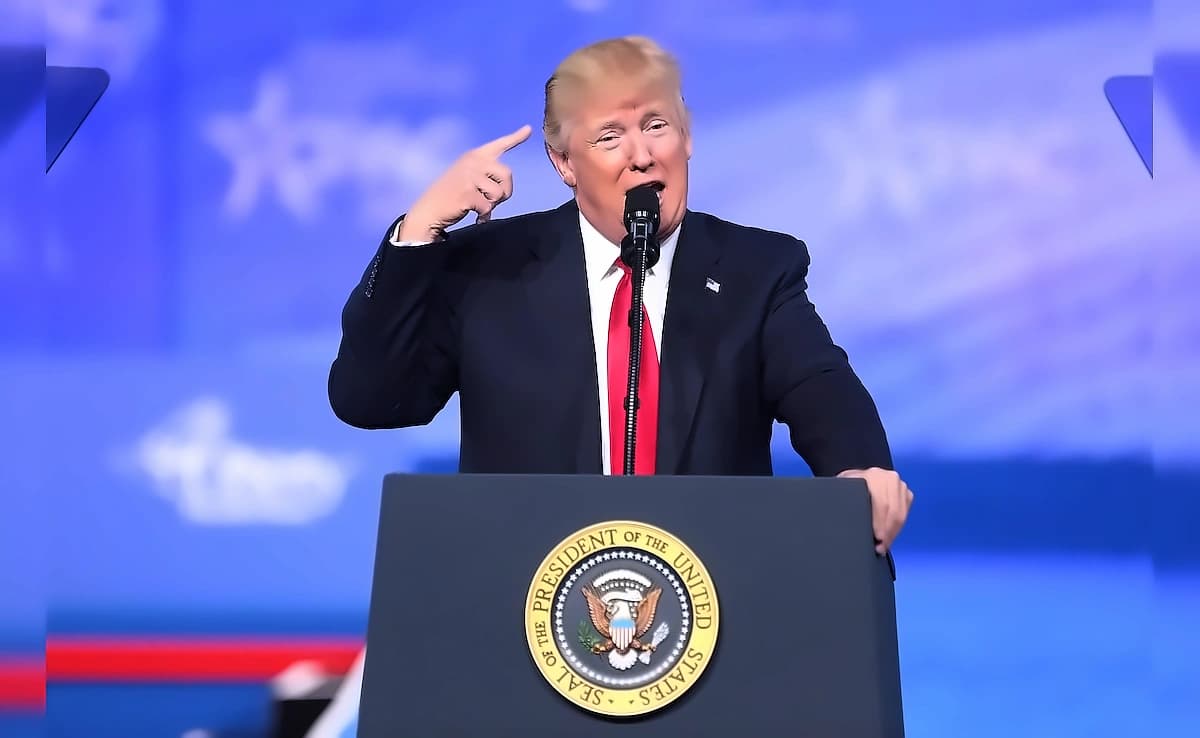
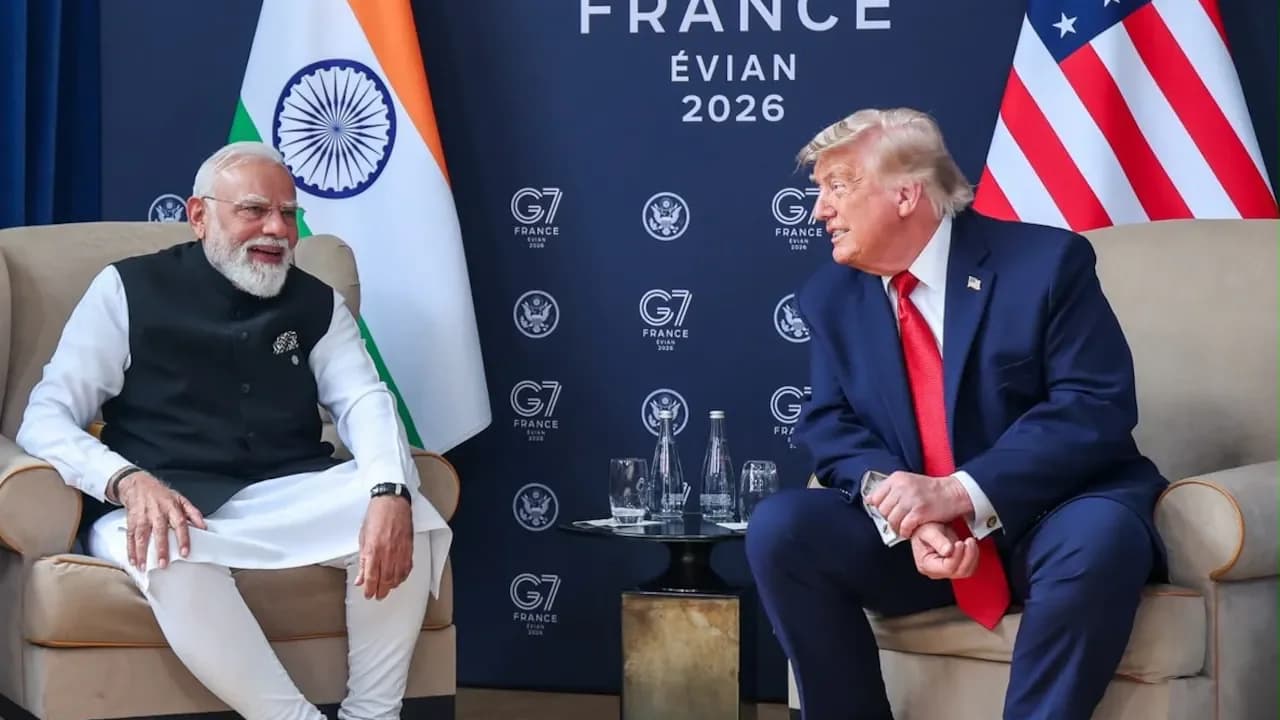
US President Donald Trump has signaled the possible return of sanctions on Russian oil shipments following the Iran peace deal, citing the resumption of crude flows through the Strait of Hormuz. Speaking at the G7 summit in France, Trump stated that 'I may put them back on. I wanted to make sure that oil stayed as low as possible, but now the oil price is way down, I may put it back on' when asked about reimposing sanctions. The announcement represents a significant shift in US energy policy, as the administration now has the opportunity to concentrate more fully on the Ukraine war. According to AP reports, Trump and fellow G7 leaders moved Tuesday to put the war in Ukraine back on top of their agenda, more than four years after Russia launched its full-scale invasion. 'Now that this (Iran) is finished, we're going to be focusing on that,' he said, referring to efforts to resolve the Russia-Ukraine conflict.
US senators are mounting significant opposition to President Trump's plans to renew the Russian oil sanctions waiver, with Senators Elizabeth Warren and Jeanne Shaheen urging the Trump administration not to renew General License 134C set to expire on June 17, 2026. According to their statement, the senators argue that extending the waiver would contradict Trump's recent remarks, weaken U.S. diplomatic leverage, and signal reluctance to increase pressure on Moscow. They claim that waivers have benefited Russia more than U.S. consumers, linking the policy to ongoing inflation and Russia's ability to finance its military campaign in Ukraine. The senators contend that any new extension would signal either doubts inside the administration about its own diplomatic position or an unwillingness to increase pressure on Moscow.
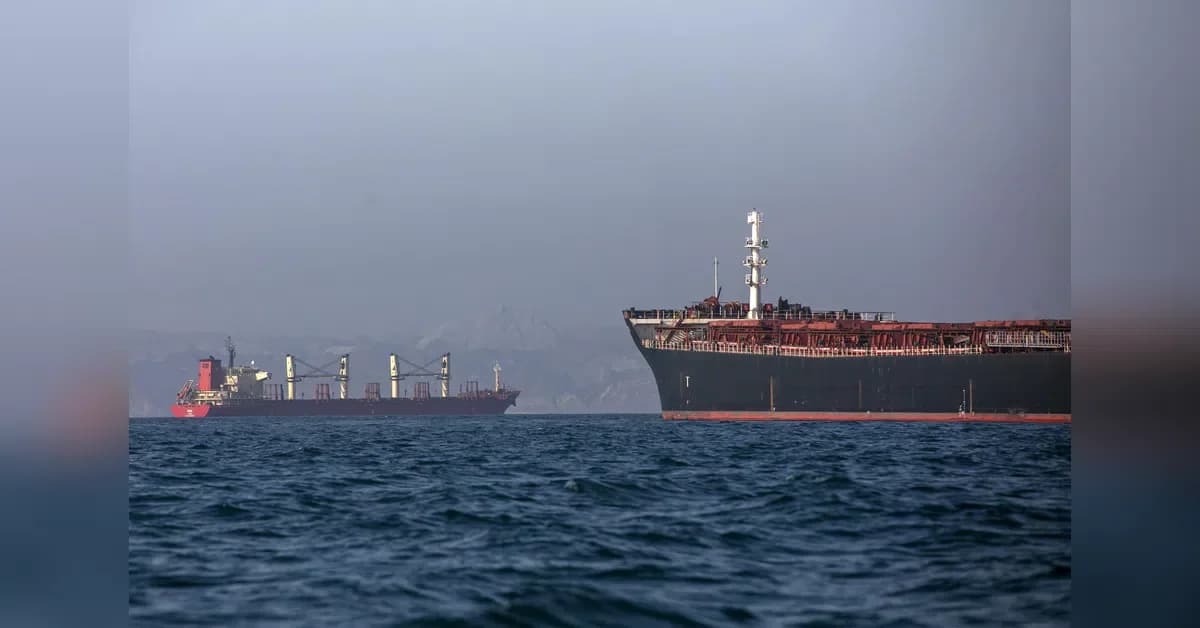
Trump highlighted the significant decline in global crude oil prices, noting that oil rates are 'really tumbling' according to NDTV reports. The President stated that crude rates are currently at $74-$75, representing a substantial drop from previous levels. Trump expressed optimism that oil prices would soon reach the levels they were four months ago, describing the decline as 'pretty amazing.' The current price environment has created favorable conditions for reimposing Russian oil sanctions, as global supply concerns have eased with the resumption of Middle East crude flows. Trump noted that 'We're in a position to do that soon' as the sanctions on Russia that were eased during the Iran war to help lower oil prices can now go back in place. In March, the US Treasury issued a 30-day waiver allowing countries to purchase Russian crude oil and petroleum products that were already loaded on vessels and stranded at sea, which was later extended as the conflict involving Iran and disruptions around the Strait of Hormuz continued to pressure oil markets.
The sanctions announcement comes as G7 leaders sought to intensify pressure on Moscow over its invasion of Ukraine, with fresh measures targeting Russia's energy revenues under discussion. During the G7 summit, Ukrainian President Volodymyr Zelenskyy talked with Trump and German Chancellor Friedrich Merz about ending the conflict and defense cooperation. Following his talks with Trump, Zelensky told reporters that it is 'very important' that the next U.S. mediated talks with Russia should take place before this winter, with the location and format of the negotiations to be decided by Trump. According to the Interfax-Ukraine news agency, Zelensky also discussed with Trump the possibility for Ukraine to produce anti-ballistic missile systems. 'The entire 'Seven' supports Ukraine unanimously today,' Zelensky said, adding that G7 leaders supported Ukraine's need for more Patriot missiles and discussed how to increase production by licensing. As the US under Trump has cut back aid to Ukraine, France and its European allies are now the biggest providers of military and financial support to Kyiv.
The shift in focus allows Washington to concentrate more on the Ukraine war, as the resumption of crude flows through the Strait of Hormuz following the Iran deal has eased concerns over disruptions to global energy supplies. Washington had earlier imposed and later extended a sanctions waiver for certain Russian oil cargoes already at sea amid fears of supply disruptions and surging crude prices. The UK announced new sanctions targeting the 'shadow fleet' Russia uses to ship oil and gas, and the finance networks used by Moscow to evade Western sanctions. The ships targeted include several recently purchased by Russia to transport liquefied natural gas from its sanctioned Arctic LNG 2 project. France and the U.K. have championed a mission to restore maritime security there as soon as conditions allow, with Macron saying France and other Western partners are 'ready to take action very quickly' to help reopen the Strait of Hormuz peacefully.