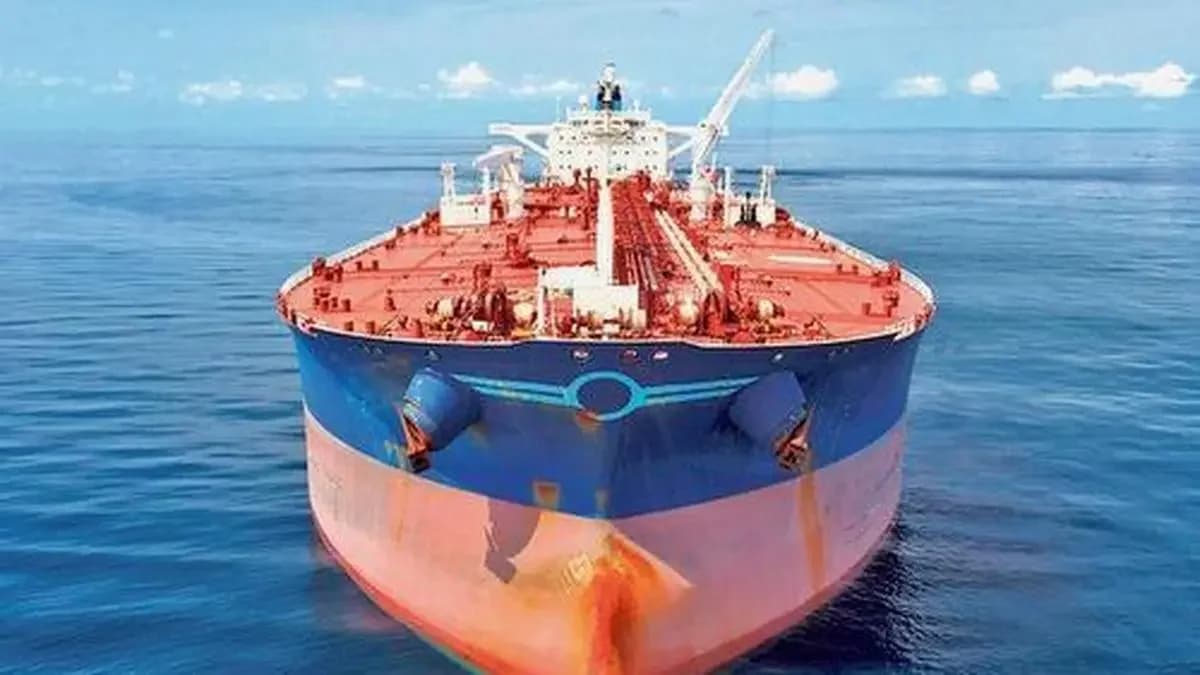
China has instructed its refiners to suspend all fuel exports for October following President Trump's request during Xi Jinping's recent Washington visit. According to reports from Reuters, four people briefed on the matter confirmed that Beijing started the week-long holiday on Thursday without giving major refiners in the world's largest refining hub permission to export fuel products to regions other than Hong Kong and Macau. State oil giant PetroChina has cancelled several October cargoes including a handful of gasoline and jet fuel shipments that were planned for October, with the company having committed to most of these in the past two weeks. Meanwhile, Russia has extended its diesel export ban for 30 days, citing heavy harvest-season demand and Ukrainian drone strikes that have damaged more than 45% of its refining capacity. As reported by the Moscow Times, Treasury Secretary Scott Bessent claimed Iran loaded zero crude onto tankers in September, though this remains corroborated by multiple independent commercial tanker trackers.
India is well-positioned to fill the global fuel export gap created by China's suspension, with the country possessing the world's fourth-largest refinery system comprising 23 refineries capable of processing roughly 5.6 million barrels per day of crude oil. According to The Hindu BusinessLine, this refining footprint compares with more than 18 million bpd capacity in China and the US and roughly 6.7 million bpd of capacity in Russia, as reported by the Energy Institute. India has traditionally been the larger fuel exporter compared to China, with India's combined shipments of diesel, gasoline and jet fuel hitting roughly 47 million metric tons in 2025 compared with China's 25.4 million tons, data from Kpler showed. However, India's combined exports have contracted by roughly 23%, or nearly 8 million metric tons, from a year earlier over the first nine months of 2026, as the government raised duties on fuel exports following the Iran war.

A steep rebound in Middle Eastern crude oil exports is driving India's improved export position, with deliveries to India in September topping 11.3 million tons, marking India's highest monthly oil haul from the Middle East since February. As reported by The Hindu BusinessLine, this represents a significant recovery from the war in Iran, which caused India's average oil imports from the Middle East to drop to less than 6 million tons a month from March through July. India traditionally sources around 45% to 50% of its crude oil from the Middle East, with around 9.4 million metric tons of Middle Eastern oil arriving monthly in 2025. The recovery has been supported by two consecutive cuts to fuel-export taxes, which boost the appeal of steering more fuel onto the export arena. The top destinations for Indian fuel exports in 2025 were the United Arab Emirates, Australia, Tanzania, Singapore and South Africa, with Singapore and Australia being obvious candidates for stepped-up shipments given their established track records as regular buyers.
The fuel supply constraints are creating significant market disruptions, with October-November price spreads for Asian diesel swaps trading at a two-week peak on expectations that Chinese export supply will be absent. As reported by Reuters, US Energy Secretary Chris Wright said the world has lost diesel exports from the Middle East and China, with Washington expecting announcements soon from Europe about new diesel supplies. The combination of reduced fuel supply and potential Fed rate hikes creates headwinds for Bitcoin, which typically struggles when the dollar strengthens. According to BeInCrypto analysis, if fuel prices increase and push the Fed to raise rates again, the dollar usually strengthens while Bitcoin faces pressure. The suspension of Chinese products exports will further constrain global markets that are grappling with the loss of supplies from the Middle East and Russia, potentially driving prices in some countries to new highs. With crude supplies recovering and export restrictions easing, India looks better positioned than any other country to fill the void left by China's temporary export suspension.