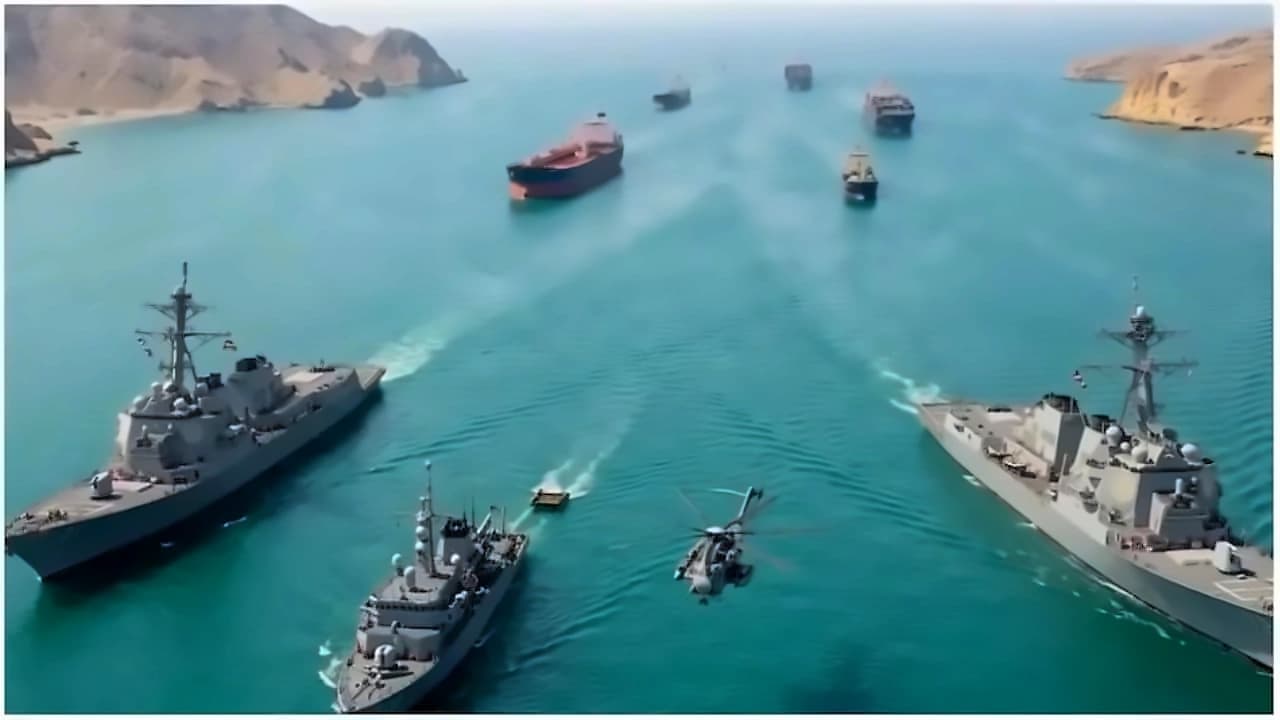
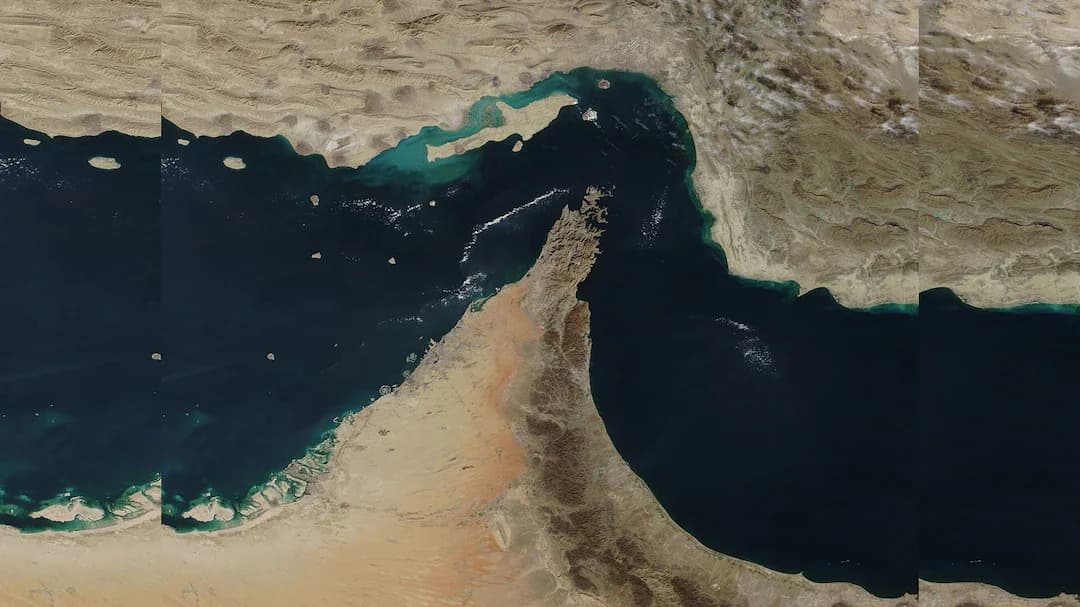
The United Arab Emirates is implementing an ambitious plan to achieve zero dependence on the Strait of Hormuz, regardless of whether the critical waterway remains open. According to Bloomberg, UAE Minister of Foreign Trade Thani Al Zeyoudi confirmed this strategic direction, stating the country will not halt its new infrastructure development plan even if Hormuz reopens. The effective shuttering of Hormuz since US and Israel began bombarding Iran in late February has highlighted the critical importance of the waterway to global energy and commodity supplies, including fertilizers, helium, and aluminum. As per Bloomberg, Al Zeyoudi emphasized that 'We're moving toward having zero Hormuz dependency and that's regardless of whether it's open or not', noting that while the strait will likely reopen, the UAE will not stop its new plan. The plan signals a broader strategic shift toward reducing exposure to geopolitical risks in the Gulf and strengthening alternative trade and energy routes outside the strait.
At the core of the UAE's strategy lies a major expansion of eastern ports including Dibba, Fujairah, and Khor Fakkan, which sit outside the strait on the Gulf of Oman coast. As reported by Bloomberg, the country will also build at least one additional new harbor on the same coastline. The expansion will be accompanied by significant investment in new pipelines, rail and road networks to improve connections between eastern ports and oil and gas fields. The UAE is fast-tracking construction of a second pipeline to double crude export capacity via Fujairah, announced in mid-May, and exploring options for a third petroleum pipeline to ensure export of petrochemicals, LNG and other energy products. According to Bloomberg, Al Zeyoudi stated that 'The direction is already there, we're doing the whole feasibility studies to move on', noting that during challenging times, the country identifies gaps and starts working on solutions. The country already uses an existing 1.5 million barrel-per-day pipeline to ship crude to Fujairah, allowing it to partially bypass Hormuz.
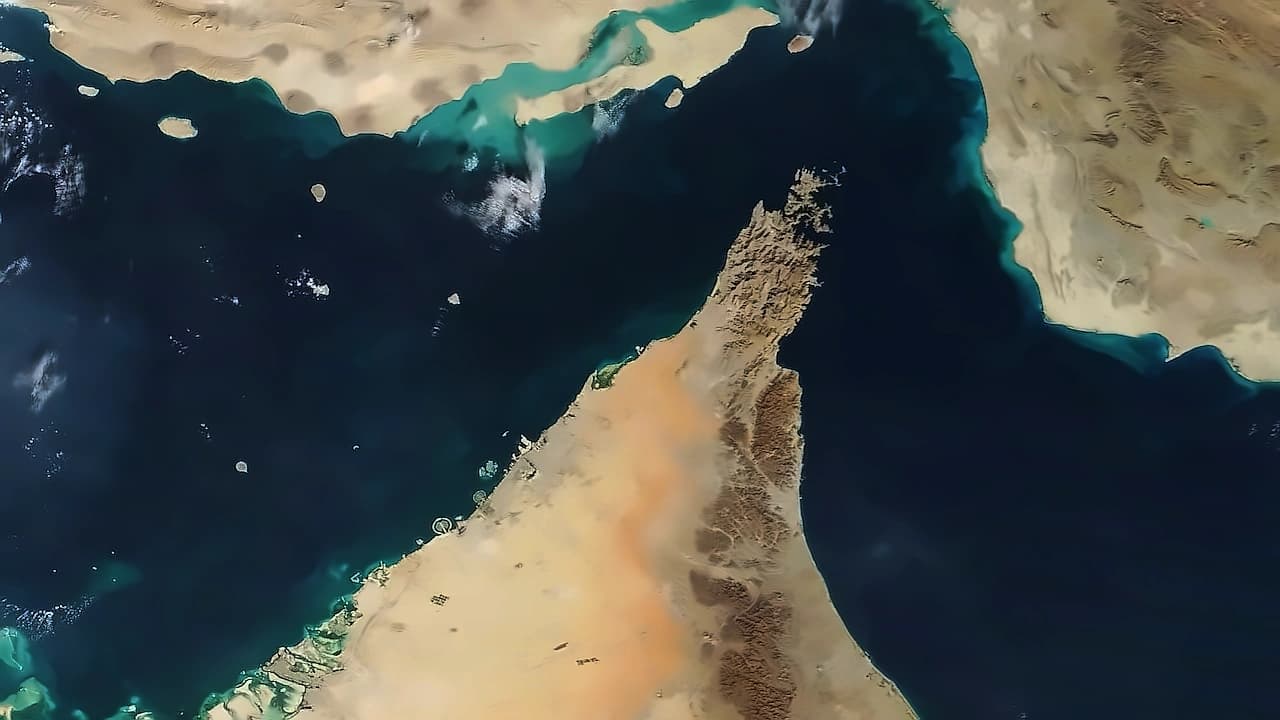
The closure of Hormuz, which previously handled about one-fifth of the world's crude and liquefied natural gas flow, has reverberated through the global economy by pushing up inflation. Reducing UAE's reliance on the strait will be challenging as pipelines can redirect crude and refined oil to eastern ports, but other commodities like LNG and aluminum will be harder to redirect. The UAE is heavily reliant on Gulf ports such as Jebel Ali, the world's biggest container hub outside Asia, for imports, making it more expensive to truck goods from eastern ports to major cities like Dubai and Abu Dhabi. Al Zeyoudi acknowledged that 'The costs would be mitigated by a major railway expansion' and noted that both Jebel Ali and Abu Dhabi's Khalifa Port would remain major redistribution hubs. The plan comes as global markets await the full reopening of the strait following an interim peace deal between Iran and the US.
The UAE has partially offset Hormuz closure by ramping up cargo imports through Khor Fakkan and oil exports from Fujairah, with the existing 1.5 million barrel-a-day link from oil fields proving crucial. As reported by Bloomberg, the country has also managed to move some oil cargoes through Hormuz in recent weeks using ships that go dark to avoid detection. During the conflict, Iran fired close to 3,000 drones and ballistic missiles at the UAE, more than any other country, though the vast majority were intercepted. Some damage occurred to critical energy and port facilities, including Fujairah on the east coast. Al Zeyoudi noted that 'Air cargo played a major role in moving many commodities — albeit at a much higher cost than by sea' and that cargo was delivered and cleared at ports in countries like Egypt and India.
The UAE has consistently demanded that Iran reopen Hormuz and allow free passage, aligning with the US, Europe and other Gulf states in resisting Iranian assertions that the Islamic Republic can charge navigation fees even after the war ends. According to Bloomberg, the country emphasizes that 'uninterrupted flow of traffic through the Strait of Hormuz' is crucial for advancing security, stability, and economic prosperity at both regional and global levels. The US-Israeli strikes on Iran — which prompted Tehran to attack other Gulf states — was an unprecedented shock for a nation that's built its economy on free trade and navigation, and has been a haven from Middle Eastern wars. While Al Zeyoudi didn't provide cost and timeline details for the planned projects, stating they are in the planning phase, the infrastructure development would require many billions of dollars to complete. Recent economic data shows the UAE's gross domestic product grew 6.2% year-on-year to hit ₹1.9 trillion ($517.2 billion) in 2025, anchored by the strength of the non-oil sector, with higher crude prices forecast to average between $90 and $110 in 2026 helping offset the strait's closure impact.