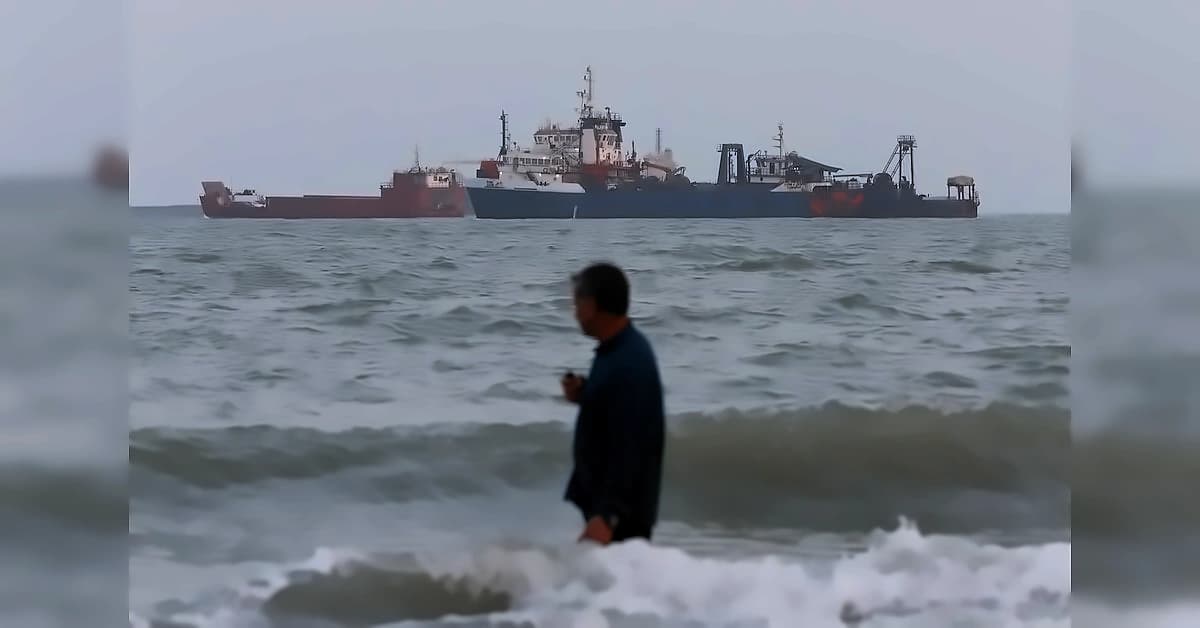
The United Arab Emirates has officially begun developing alternative trade and shipping routes to protect its economic interests amid the escalating Iran-US war. Anwar Gargash, the UAE's presidential adviser, confirmed at the Hili Forum in Abu Dhabi that work has begun on developing alternative routes for energy exports and trade. As reported by Reuters, Gargash emphasized that energy exports and economic activities would not be allowed to become hostage to the war, marking a formal escalation of the nation's strategic response to regional instability. The conflict has had a significant impact on Gulf Arab states, including the UAE, after Tehran fired missiles at the country and attacked its oil tankers in the Strait of Hormuz. The disruption sent energy prices soaring and sparked a global economic crisis, with the waterway's status remaining a central obstacle in negotiations between Washington and Tehran. Iran has closed the Strait of Hormuz, which was once a passage for a fifth of all the world's energy, highlighting the critical importance of the UAE's strategic pivot.
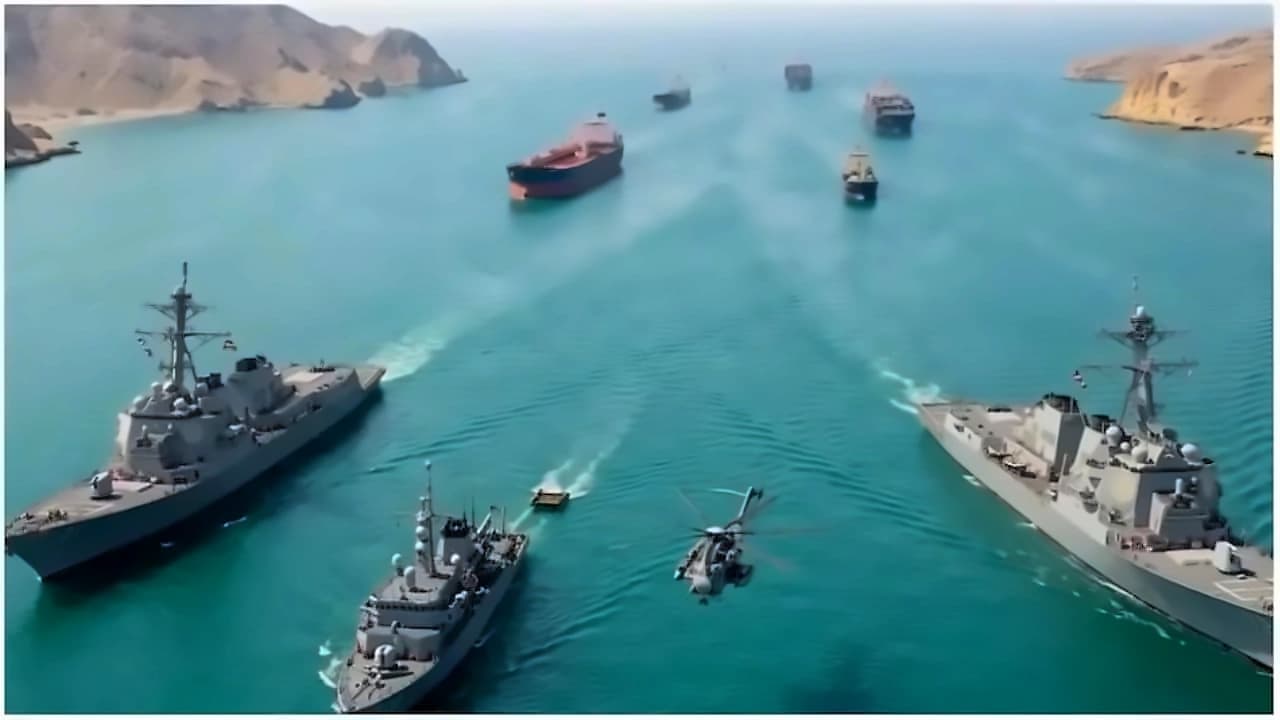
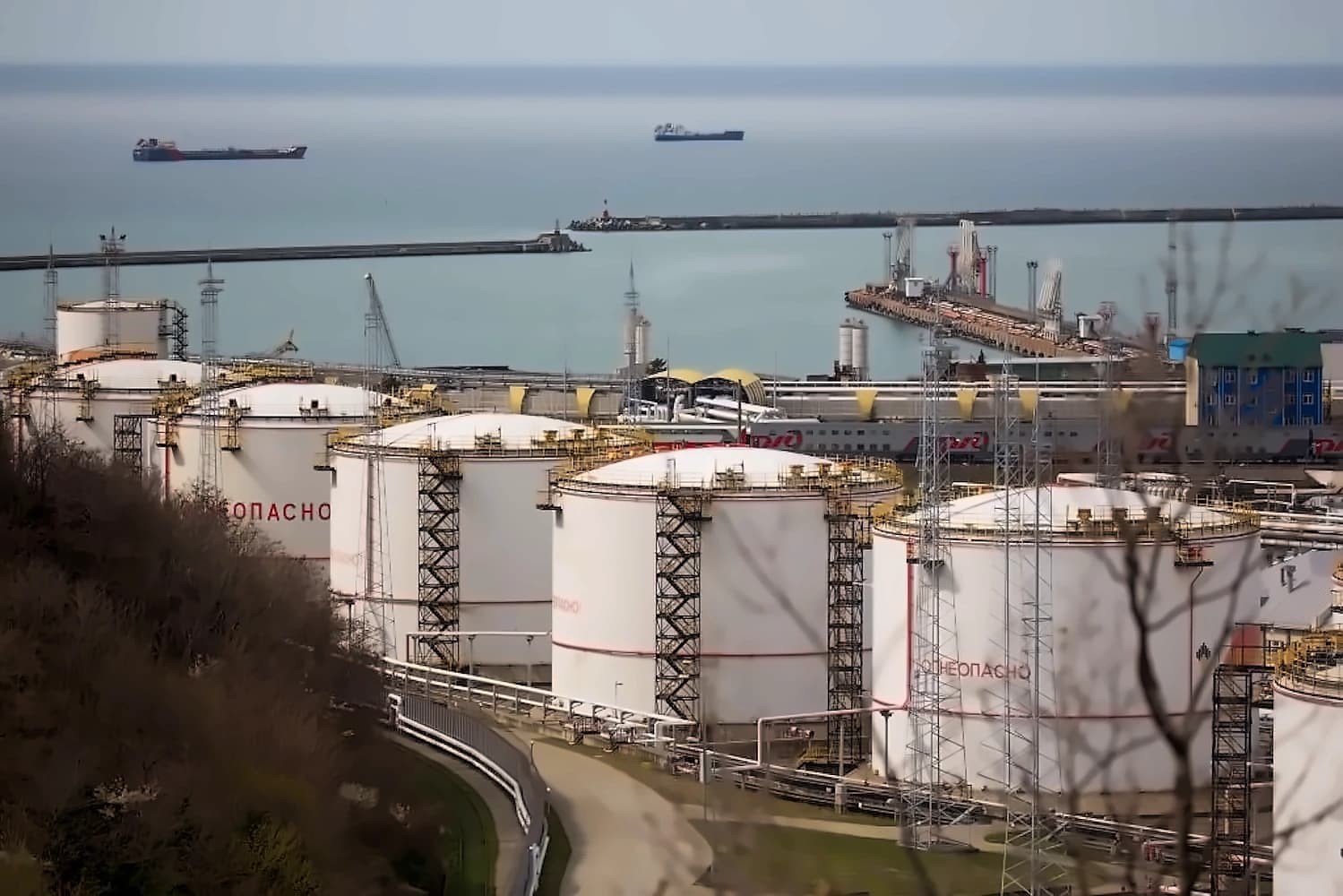
The UAE is implementing a comprehensive infrastructure expansion plan to reduce dependence on traditional shipping routes. According to Reuters reporting, the nation is expanding port capacity in eastern coastal areas, while pipelines, railways and alternative trade routes are also under development. This infrastructure development aims to prevent the UAE's economic activity and energy exports from being held hostage by the protracted conflict between the United States and Iran, ensuring continued trade flow despite regional tensions. The most significant development is the new West-East pipeline being built by the Abu Dhabi National Oil Company (ADNOC), which aims to double Fujairah's export capacity to roughly 3.6 million barrels per day by 2027. As of May, that pipeline was 50% complete, representing a major acceleration in the country's strategic pivot. The UAE is fast-tracking pipelines and ports to bypass the Strait of Hormuz, demonstrating the nation's commitment to achieving zero dependency on the contested waterway.
UAE Minister of State for Foreign Trade Thani Al Zeyoudi put it bluntly back in June when he described the country's goal as "zero Hormuz dependency." Enhanced port operations at Fujairah, Dibba, and Khor Fakkan, driven by DP World and local authorities, are creating entirely new trade corridors along the UAE's eastern coastline. Railway connections are also part of the blueprint, adding redundancy to a system that has historically relied on maritime routes through contested waters. The existing Habshan-Fujairah pipeline already carries 1.8 million bpd of crude from Abu Dhabi's inland fields to the port of Fujairah on the Gulf of Oman, completely bypassing the strait. That infrastructure has proven its value during recent disruptions, sustaining roughly half of the UAE's pre-conflict export volume of approximately 3.4 million bpd. The UAE is now building alternative routes for energy exports and trade so as not to be held hostage by the ongoing war between the US and Iran, as confirmed by Gargash.
Gargash provided a sobering assessment of regional cooperation during the crisis. As reported by Reuters, he described the collective response of Gulf countries to Iranian attacks as inadequate and warned that it could take Iran decades to regain the trust of neighbouring countries. The UAE presidential adviser noted that a shared understanding had not been transformed into a unified and effective strategy, highlighting the challenges of regional coordination during the current crisis. Despite these challenges, Gargash indicated that normal relations with Iran could be restored in the future, suggesting a potential pathway toward regional stability. However, he emphasized that rebuilding trust after the attacks could take decades, underscoring the long-term implications of the current conflict and the need for regional security self-sufficiency.
The UAE has taken concrete steps to reduce its economic exposure to Iranian activities. In August, the UAE suspended all financial transactions with Iran, a move that represented one of the most significant escalations in bilateral relations in years. This suspension represents a significant economic measure taken by the UAE to distance itself from Iranian trade and financial activities during the current crisis. The move underscores the nation's commitment to protecting its economic sovereignty amid the broader regional tensions. Looking ahead, Gargash emphasized that "Freedom of navigation is not a concession to be granted, nor a principle to be renegotiated under pressure," adding that any long-term resolution must include credible guarantees against further Iranian attacks on Gulf Arab states. The conflict, sparked by U.S. and Israeli strikes on Iran on February 28, remains deadlocked with little progress made in efforts to revive the peace process.